A recent case in Uganda highlights the far-reaching consequences of malaria on children. Nine-year-old James Ssemambo's severe malaria episode not only affected his health but also had a significant impact on his family. His mother, Sarah Nankya, had to spend three days at a health centre with him, sacrificing work and caring for her other children while dealing with extra expenses for transport, treatment, and food. This experience is not unique, as many African families face similar challenges when dealing with malaria.
According to the World Health Organisation (WHO), Africa accounts for 94% of malaria cases and 95% of deaths globally, with children under five making up three-quarters of these fatalities. However, the impact of malaria extends beyond mortality. Research led by African scientists, including Dr. Paul Bangirana from Makerere University, indicates that some severe forms of malaria can have long-term consequences on children's cognitive, behavioural, and educational development.
Dr. Bangirana's research has shown that severe malaria, especially cerebral forms and severe malarial anaemia, is linked to issues such as cognitive and behavioural problems, education challenges, and diminished quality of life. A study in 2026 tracked 889 participants and found that those who survived severe childhood malaria demonstrated lower cognitive abilities and maths scores compared to unaffected peers assessed four to fifteen years later.
The effects of malaria can also extend into early adulthood. Interviews with caregivers of children who endured severe malaria and recurrent attacks revealed changes in behaviour and academic performance, alongside family issues such as disputes over where to obtain help and struggles balancing work and caregiving. Nankya expressed her concerns about the potential for repeated malaria episodes and the worry that comes with it.
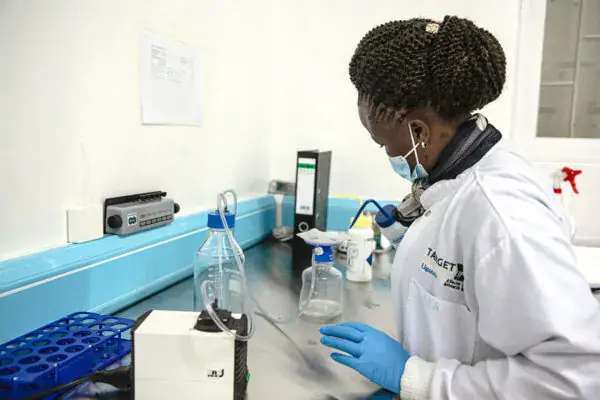
These insights underscore the importance of malaria prevention. Various existing interventions, including insecticide-treated nets, medicines, and vaccines, are saving lives, but challenges like drug and insecticide resistance persist. Hence, ongoing research into innovative approaches is crucial to combat the disease. Target Malaria, a not-for-profit research consortium, is investigating genetic technologies to enhance existing malaria control strategies.
Target Malaria is developing gene drive technology aimed at reducing populations of specific malaria-transmitting mosquitoes, with ongoing studies in controlled laboratory environments. The research consortium is funded by the Gates Foundation and Coefficient Giving, with Imperial College London as the lead applicant alongside partners in Africa, Europe, and North America.
For Dr. Bangirana, understanding the broader impacts of malaria is vital to preventing long-term cognitive, behavioural, and educational issues. Preventing severe malaria could potentially avert these issues and safeguard the futures of African children. As Africa strives to eradicate malaria, it’s crucial to consider not just the immediate physical effects of the disease but also the broader implications for children returning to school, parents returning to work, and the futures that prevention can help safeguard.
Key points
- Malaria's impact on African children extends beyond mortality, affecting their cognitive, behavioural, and educational development.
- Severe malaria is linked to long-term consequences, including cognitive and behavioural problems, education challenges, and diminished quality of life.
- Ongoing research into innovative approaches, such as genetic technologies, is crucial to combat malaria and prevent its broader impacts.