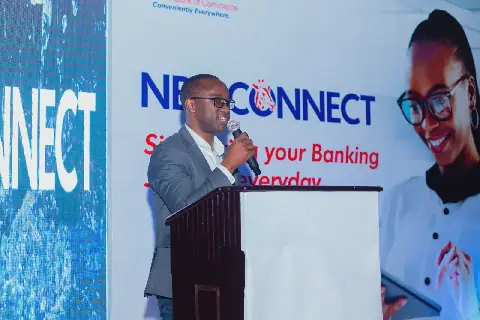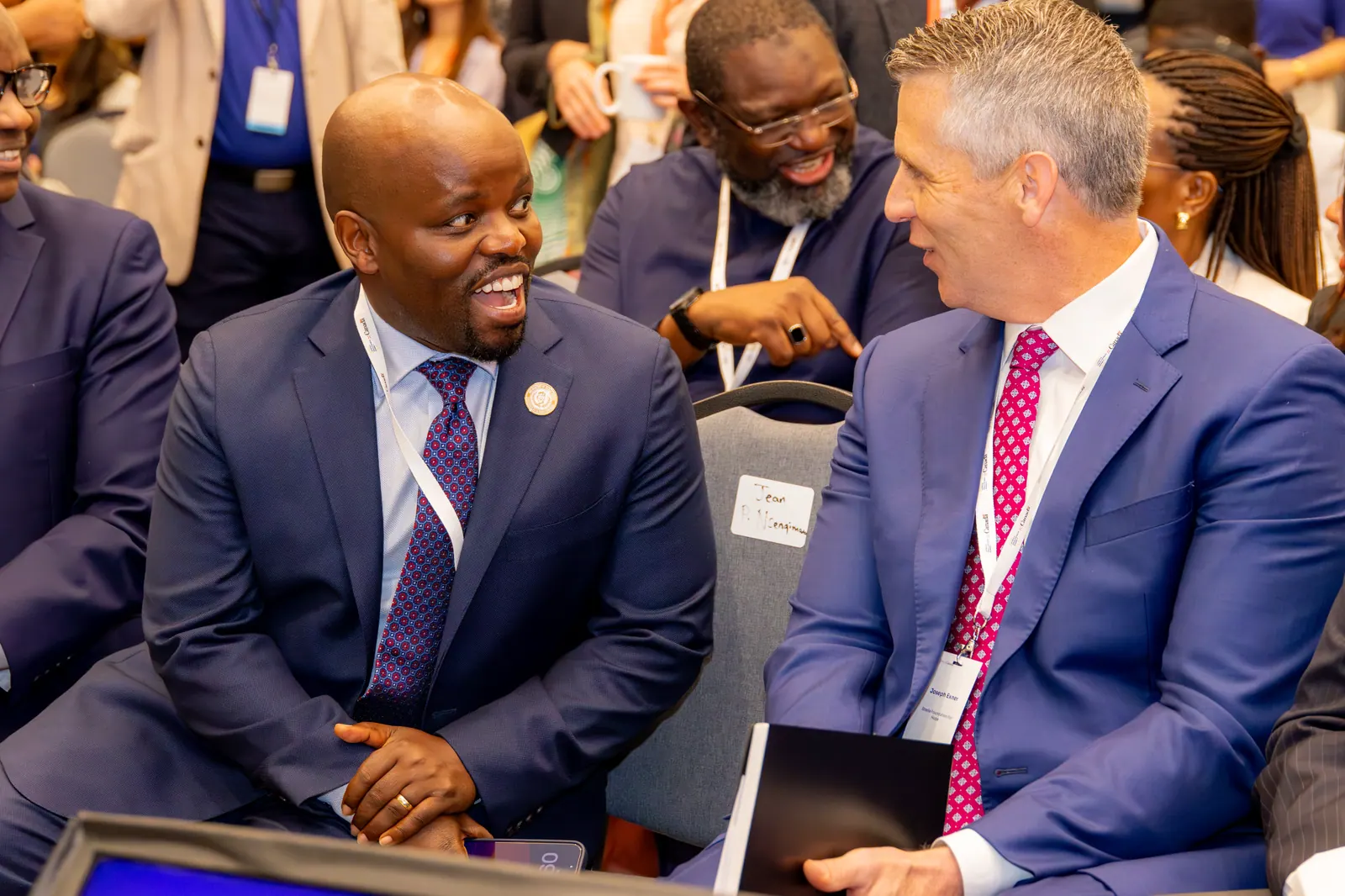
Jean-Philbert Nsengimana, a prominent figure in Rwanda's development, has had a remarkable journey. Growing up in Karongi district, he often walked to school barefoot, not due to financial constraints, but to blend in with his peers. His parents, both teachers, could afford to provide him with shoes, but the school's culture encouraged uniformity. This experience would later shape his approach to problem-solving and collaboration. Nsengimana's early life was marked by resilience, as he played football barefoot on rough terrain, often returning home with injuries.
Nsengimana's educational background was initially rooted in the Catholic faith. He was sent to Nyondo seminary, where he aspired to become a priest. However, he began to question the priesthood, realizing the Catholic Church's complex interplay of politics and religion. He then pursued medicine, but his studies were interrupted by the 1994 Genocide against the Tutsi. The university closed, and Rwanda was left devastated. Nsengimana left the country and returned in 1997 to find a shattered nation. He eventually chose to study computer science, which would take four years, compared to seven years for medicine.
Nsengimana's career has been marked by diverse experiences. He graduated as president of the National University of Rwanda Students Association and helped create a broader student movement. He also contributed to establishing a Great Lakes student alliance, bringing together young people from Rwanda and the Democratic Republic of Congo. During the Nyiragongo volcano eruption, Nsengimana organized a countrywide campaign to support those affected. This experience reinforced his understanding of the importance of collaboration in tackling complex problems.
Nsengimana's entry into civil service was a defining moment in his career. At 37, he became Rwanda's youngest minister, with what he describes as a "license to make mistakes." He experimented with new ideas, including Youth Connect, and learned from his boss. After his stint in government, he pursued a Master in Public Administration at Harvard University. Nsengimana's unique blend of experiences has shaped his approach to leadership and problem-solving.
The Africa HealthTech Summit, which Nsengimana chairs, has become a premier gathering for health, technology, government, and development leaders. The fifth edition, held in Kigali from September 30 to October 2, 2026, brought together stakeholders under the theme "Wellness for All: Powered by Intelligent Health Systems." Nsengimana's vision is to create a platform where Africa can drive its own conversations on health technology, rather than waiting to be invited to international forums.
Nsengimana's ambition extends beyond the Africa HealthTech Summit. He aims to take the summit to other parts of the world, including Europe, North America, and Asia. An AHTS Europe edition is planned for Amsterdam next July, while discussions are underway to bring the summit to Nigeria. His goal is to change the position from which Africa engages in global conversations on health technology.
Nsengimana's journey serves as a testament to the power of resilience, adaptability, and collaboration. From walking barefoot as a child to becoming a leading figure in Africa's health technology sector, his story is one of transformation and growth. As he continues to build and create opportunities for others, Nsengimana's legacy is likely to inspire future generations of African leaders and innovators.
Key points
- Jean-Philbert Nsengimana, chairman of Africa HealthTech Summit, has had a remarkable journey from walking barefoot to becoming a minister, entrepreneur, and leader in Africa's health technology sector.