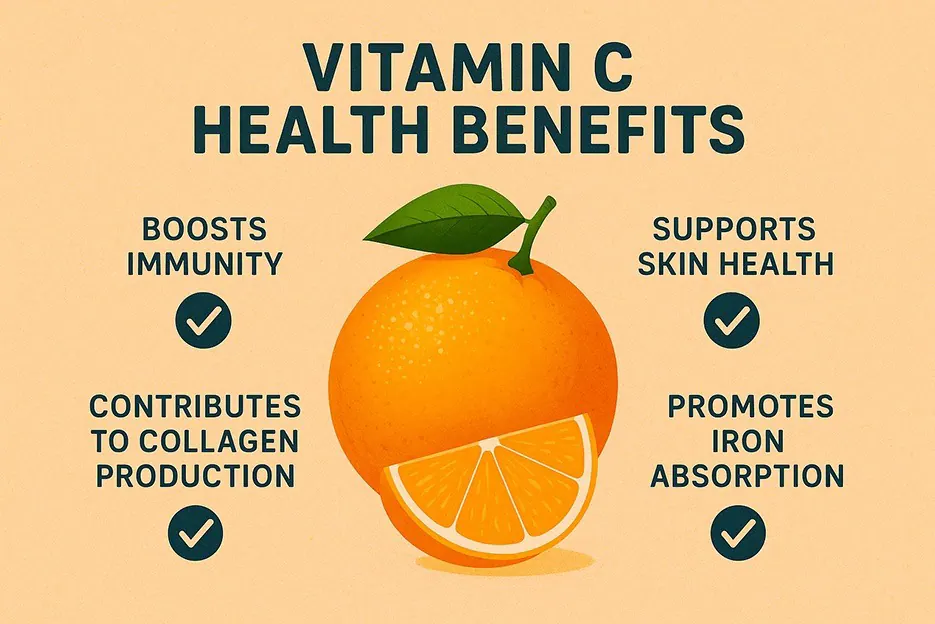
Vitamin C is considered one of the safest and most effective nutrients, with a growing list of possible benefits. According to a study published in Seminars in Preventive and Alternative Medicine, higher blood levels of vitamin C may be an ideal nutrition marker for overall health. The study, which looked at over 100 studies over 10 years, found that vitamin C may offer protection against immune system deficiencies, cardiovascular disease, prenatal health problems, eye disease, and skin wrinkling.
The tolerable upper intake level of vitamin C is 2,000 milligrams a day for adults. Exceeding this amount may cause stomach upset and diarrhea. Vitamin C is one of the "water-soluble" vitamins, meaning the body doesn't store them, and it needs to be kept in the diet to maintain healthy levels. It is easily absorbed both in food and in pill form and can enhance the absorption of iron when eaten together.
Vitamin C, also known as ascorbic acid, is necessary for the growth, development, and repair of all body tissues. It plays a crucial role in many body functions, including the formation of collagen, absorption of iron, and proper functioning of the immune system. Vitamin C is also involved in wound healing and the maintenance of cartilage, bones, and teeth.
A deficiency in vitamin C is associated with many stress-related diseases. It is the first nutrient to be depleted in people who drink too much alcohol, smoke, or have obesity. Maintaining levels of vitamin C can be an ideal marker for overall health, according to Mark Moyad, MD, MPH, of the University of Michigan.
While vitamin C is not a cure for the common cold, some studies show that it may help prevent more serious complications. According to Moyad, taking vitamin C for colds and flu can reduce the risk of developing further complications, such as pneumonia and lung infections.
Research has also found that vitamin C may play a role in reducing the risk of stroke. A study in the American Journal of Clinical Nutrition found that those with the highest concentrations of vitamin C in their blood were associated with a 42% lower stroke risk than those with the lowest concentrations.
Additionally, vitamin C may have anti-aging properties, particularly when it comes to skin aging. A study published in the American Journal of Clinical Nutrition found that higher vitamin C intakes were associated with a lower likelihood of a wrinkled appearance, dryness of the skin, and a better skin-aging appearance. Topical treatments with vitamin C have also been shown to reduce wrinkles.
Key points
- Vitamin C may offer health benefits in areas such as stress, colds, and stroke.
- The tolerable upper intake level of vitamin C is 2,000 milligrams a day for adults.
- Vitamin C may play a role in reducing the risk of cancer and cardiovascular disease.