The recent Dangote Initial Public Offering (IPO) has generated significant interest and excitement among Africans, with many investors eagerly buying into the company's shares. The IPO, which is being hailed as the largest retail share offer in African history, has made it possible for ordinary Africans to own a piece of one of the continent's most successful businesses. With a minimum investment of just 10 shares (₦5,250/USD5), the barriers to participation have been kept remarkably low, allowing market traders, drivers, pension funds, and other individuals to invest in the company.
The Dangote Refinery offer has deliberately been positioned as an "IPO for the People," with the aim of reaching around 10 million investors. This approach has resonated with many Africans, who are taking pride in their stake in the company and expecting a return on their investment. The truck that was once just a Dangote truck is now seen as a symbol of ownership, with investors taking an interest in the company's profits, dividend, and share price. Governance matters, and investors are now asking questions about the company's performance and management.
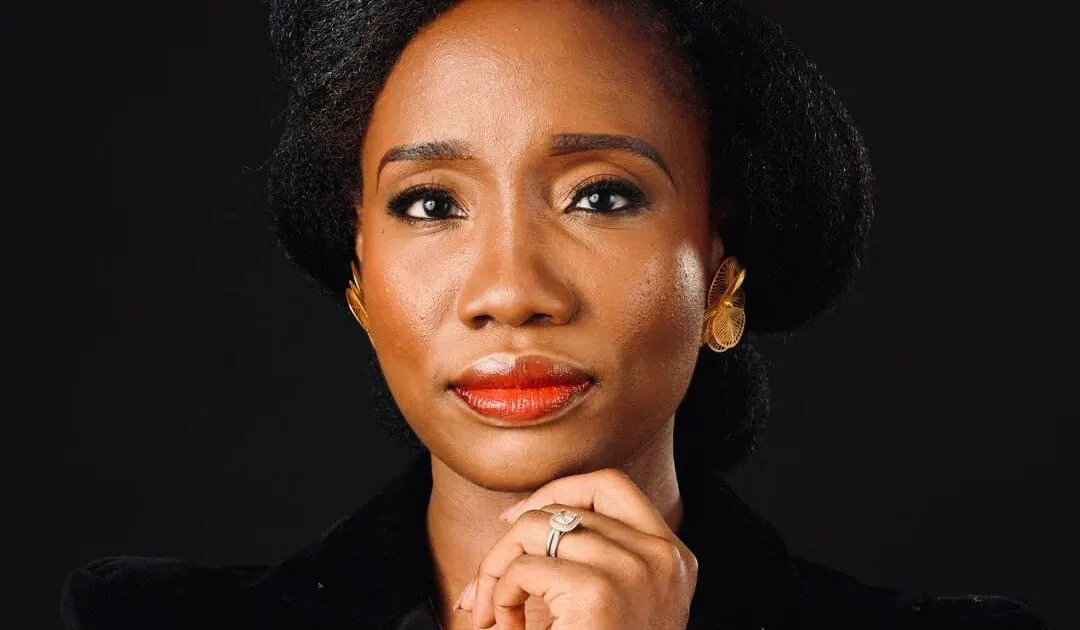
According to Cecilia Hesse, Managing Director of Temple Investments Limited and a seasoned investment banker, the response to the Dangote IPO matters beyond the company itself. She believes that public markets introduce scrutiny, and public companies have shareholders to answer to. Investors expect financial information, explanations of performance, good governance, and boards that protect shareholder interests. This relationship between ownership, disclosure, and accountability is one of the most essential functions of a developed capital market.
The Dangote IPO has also sparked a conversation about economic participation and financial inclusion in Africa. If millions of Africans own shares in the businesses whose products and services they consume every day, it could lead to a new era of economic participation. This could be more than just financial inclusion; it could be a sense of ownership and responsibility among Africans. The question is, how much of what we consume do we own?
The idea of owning a piece of a business is not new, but it is an idea that has been largely reserved for wealthy individuals and institutions. However, with the Dangote IPO, ordinary Africans are now able to own a piece of one of the continent's most successful businesses. This could lead to a new generation of Africans discovering that the stock market is not a distant institution reserved for banks, pension funds, and wealthy people.
Imagine if Africans owned more of Africa, with millions of people owning shares in the businesses that shape their everyday lives. This could lead to a new era of accountability and transparency, with investors asking questions about the performance and management of companies. It could also lead to better companies, better returns, and more investment in the continent.
The Dangote IPO has shown that investing can be made accessible and less abstract, with ordinary Africans able to own a piece of a successful business. The cycle of African savings financing African businesses, African businesses growing, and African shareholders participating in that growth could lead to wealth creation and a new era of economic development in Africa.
Key points
- The Dangote IPO has sparked a sense of ownership among Africans, with many investors taking pride in their stake in the company and expecting a return on their investment.