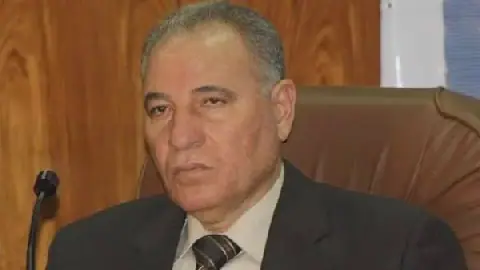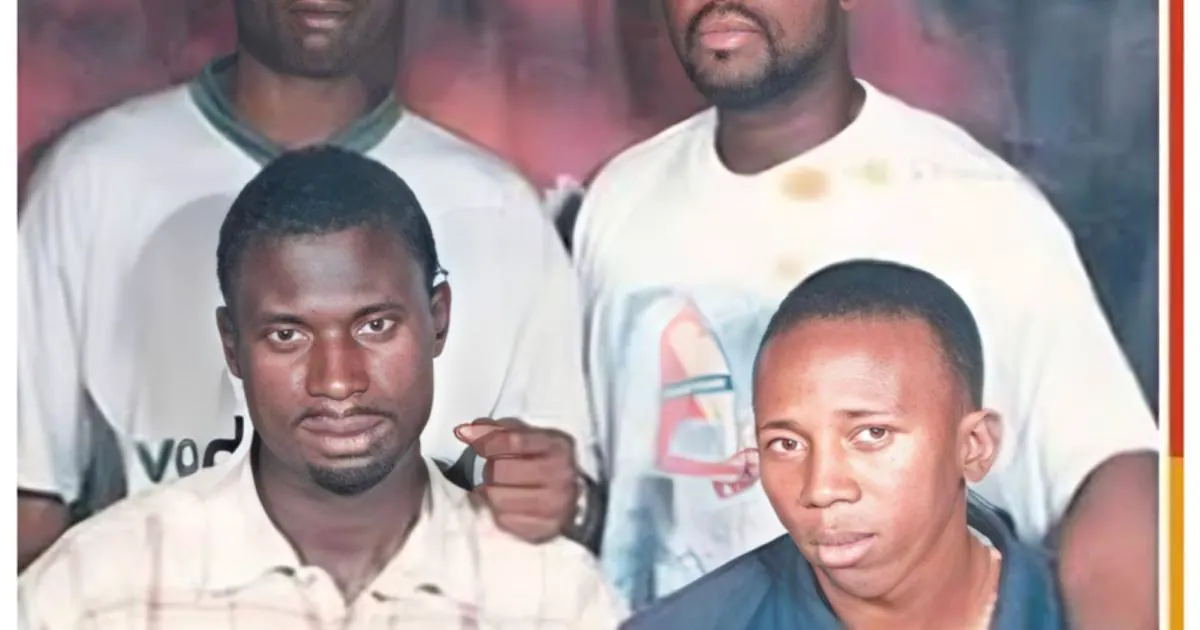
On October 25, 1993, four young Nigerians - Richard Ogunderu, Kabir Adenuga, Benneth Oluwadaisi, and Kenny Rasaq-Lawal - hijacked Nigeria Airways Flight 470, an Airbus A310 flying from Lagos to Abuja. The aircraft was diverted to Niamey, Niger Republic, where the hijackers released 129 passengers but held crew members and government officials. Their mission was not robbery or terrorism, but to force Nigeria's military-backed government to hand power to the winner of the June 12, 1993 presidential election, Chief Moshood Kashimawo (MKO) Abiola.
The flight carried several important passengers, including then Chinese Vice President Rong Yiren and senior Nigerian government officials. The group's original plan was to divert the aircraft to Frankfurt, Germany, but the Airbus did not have enough fuel to make the journey directly and had to stop in Niamey, Niger Republic. It was there that everything changed. The hijackers identified themselves as members of the "Movement for the Advancement of Democracy in Nigeria" and demanded that the interim military-backed government resign immediately and install MKO Abiola as Nigeria's president.
The hijackers also wanted authorities to reopen investigations into the murder of Newswatch Magazine founder Dele Giwa and revisit the 1992 Nigerian Air Force C-130 crash. The group warned that they would "set the Airbus A310 on fire in 72 hours" if their demands were ignored. Following hours of negotiations, the hijackers released 129 passengers, including Chinese Vice President Rong Yiren. However, they kept the flight crew and several Nigerian government officials inside the aircraft while negotiations continued.
For four tense days, the plane remained grounded at Diori Hamani International Airport in Niamey. The standoff eventually ended after four days when Nigerien security forces stormed the aircraft, arresting all four hijackers. Sadly, it also claimed the life of flight attendant Ethel Igwe. Richard Ogunderu, who led the hijacking, was injured during the raid and later accused the Nigerian military of using excessive force during the operation.
The four young men were imprisoned in Niger for nine years and four months. Ironically, while they were still behind bars, Nigeria witnessed another major political shift. The interim government led by Ernest Shonekan was overthrown, and General Sani Abacha seized power in November 1993. The incident inspired Netflix's Hijack '93, released in October 2024, bringing renewed attention to one of Nigeria's most remarkable political protests.
The Netflix film dramatizes the events surrounding the hijacking, introducing a younger generation of Nigerians to one of the country's most extraordinary aviation and political stories. While the movie takes creative liberties, the real event remains a reminder of how deeply the June 12 political crisis affected many Nigerians, especially young people who believed democracy had been stolen.
For many Nigerians today, the story is more than just a hijacking. It is another chapter in the country's long history of political struggles, activism, and the desperate lengths some people were willing to go in pursuit of democratic change. The 1993 Nigeria Airways Flight 470 hijacking will always be remembered as a daring protest for democracy that shocked the nation and the world.
Key points
- The hijackers' demands reflected the political tension that had gripped Nigeria after the annulment of the June 12 election.
- The incident resulted in the death of flight attendant Ethel Igwe and the imprisonment of the four hijackers.
- The 1993 Nigeria Airways Flight 470 hijacking inspired Netflix's Hijack '93, released in October 2024.