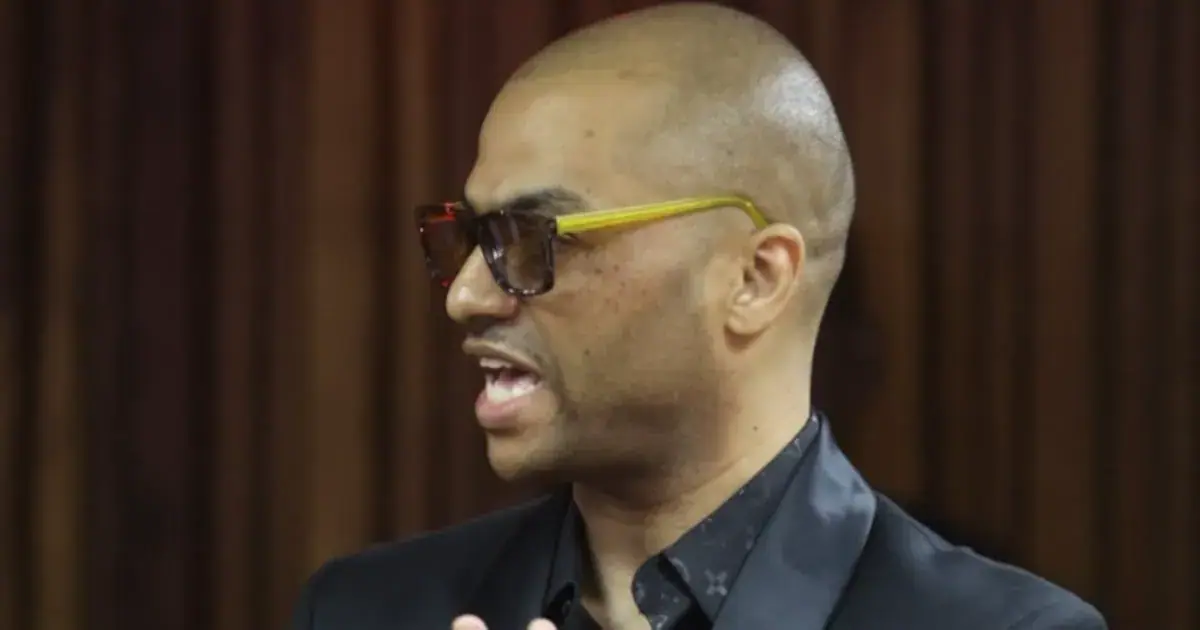
Convicted rapist and murderer Thabo Bester is facing allegations that he orchestrated a 30% extortion racket targeting construction tenderpreneurs from behind bars. According to correctional services commissioner Makgothi Thobakgale, Bester used associates outside prison to identify infrastructure projects and demand a cut from contractors. This scheme is commonly associated with South Africa's so-called construction mafia, which involves criminal groups demanding a share of government infrastructure contracts from service providers.
The allegations were made during an interview with journalist Mzilikazi wa Afrika on the Unpopular Opinion podcast. Thobakgale raised questions about how Bester accumulated millions while incarcerated, dismissing suggestions that he could not afford private legal representation. He alleged that Bester had associates operating outside prison who helped him generate money. Thobakgale stated that Bester's extortion racket involved targeting infrastructure projects, with Bester demanding a 30% cut.
Thobakgale also alleged that Bester was behind a case involving a suspected extortionist in a wheelchair who was demanding 30% of infrastructure contracts from tenderpreneurs. However, he claimed that the person behind the scheme was actually Bester. The allegations against Bester have raised concerns about the intersection of politics and organised crime in South Africa. Thobakgale claimed that some elected officials had become part of extortion networks, with councillors in Gqeberha allegedly subjecting themselves to gangsters participating in extortion schemes.
Thobakgale expressed concern about the growing links between politicians and organised crime groups. He alleged that some politicians had become part of extortion networks, with gangsters inside prisons working with councillors to extort money from contractors. According to Thobakgale, councillors stood to gain protection, influence, and financial gains from these relationships. This phenomenon has been observed in the lead-up to local government elections.
The claims made by Thobakgale echo concerns raised before the Madlanga commission of inquiry about the growing intersection between politics, organised crime, and the state. The commission is investigating allegations of criminal and political interference in the criminal justice system. At the centre of these investigations are the "Big Five" cartels, suspected to have run underworld operations with the assistance of senior police officials and politicians.
Acting National Intelligence Co-ordinating Committee co-ordinator Ntandazo Sifolo has also raised concerns about the convergence of politics and the criminal underworld. He stated that this threat became more pronounced during the local government elections in 2021, when murder and intimidation in the name of politics threatened to become a norm. Sifolo emphasised the need for national intelligence structures to assure conditions of safety and security to allow a thriving economy and stable environment.
The allegations against Bester and the concerns raised by Thobakgale and Sifolo highlight the need for greater scrutiny of the intersection of politics and organised crime in South Africa. The country's law enforcement agencies face challenges in addressing this growing phenomenon, largely due to infiltration and contamination of law enforcement services. A National Security Council report prepared before the 2024 elections warned of growing links between political leaders and underworld figures, creating a complex, mafia-like operation within the state.
Key points
- Thabo Bester allegedly ran a 30% extortion racket targeting construction tenderpreneurs from behind bars.
- Correctional services commissioner Makgothi Thobakgale raised concerns about alleged links between politicians and organised crime groups.
- The intersection of politics and organised crime in South Africa has become a major concern for national intelligence structures.