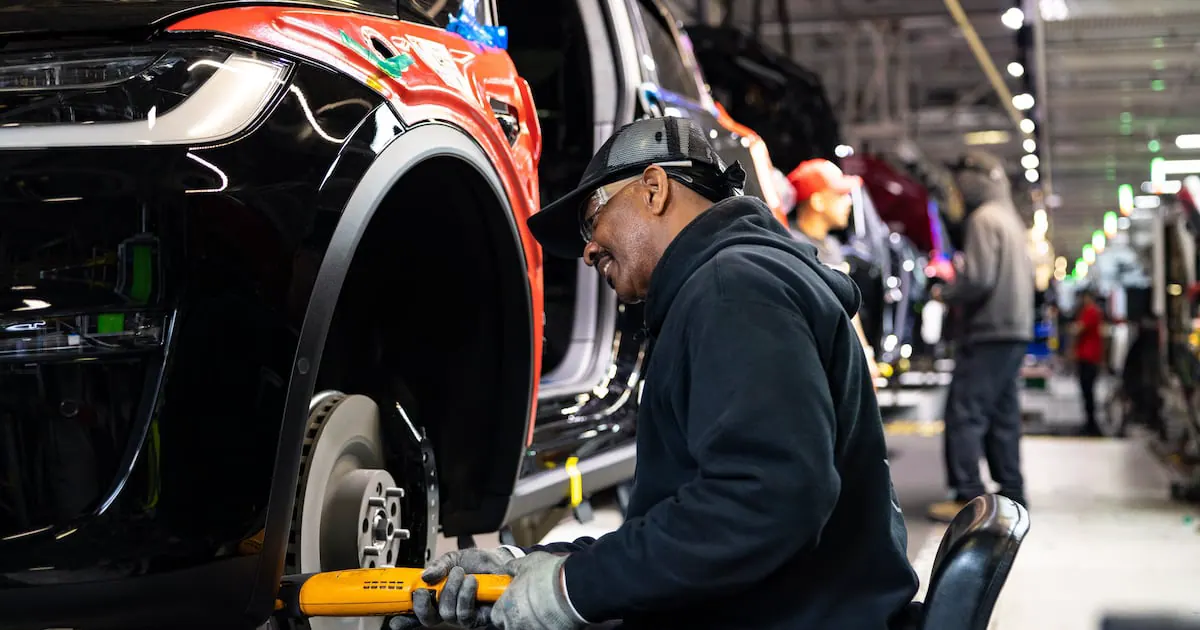
A high-profile trial is set to begin in Oakland, California, as a state agency's lawsuit against Tesla alleges widespread racial discrimination at the company's flagship assembly plant. The California civil rights department claims that black workers at the Fremont plant were subjected to harassment, including racial slurs and graffiti, and were paid less than their colleagues. The trial, scheduled to run until October 30, will be heard by state superior court judge Peter Borkon.
The lawsuit, filed in 2022, alleges that Tesla failed to prevent or stop the harassment and denied black workers opportunities for promotion. Tesla has denied any wrongdoing, stating that it does not tolerate discrimination and has fired workers found to have engaged in misconduct. The company's lawyers did not respond to requests for comment. The California civil rights department's director, Kevin Kish, said the agency is looking forward to holding Tesla accountable.
This trial is one of several similar lawsuits faced by Tesla, including a lawsuit from the US Equal Employment Opportunity Commission alleging racial harassment. Dozens of individual workers have also filed lawsuits making similar claims. The claims in the civil rights department's lawsuit are broader, including allegations that the Fremont plant was racially segregated, with black workers assigned to the lowest-paying and least desirable jobs.
The trial will be a bench trial, meaning that Judge Borkon will decide whether Tesla is liable for violations of California civil rights laws. Unlike federal law, California law does not cap the damages a court can award to affected workers, and Tesla could be liable for millions if it loses the case. The company's high profile and the thousands of workers involved make this one of the most significant employment discrimination cases to go to trial in recent years.
Tesla has faced claims of fostering a hostile climate at the Fremont plant and other facilities for over a decade. The company has settled some individual lawsuits, including one by a former elevator operator at the Fremont plant who was awarded $137m by a jury. However, Judge Borkon ruled in a separate lawsuit last year that more than 6,000 black workers could not sue Tesla as a class, handing a major victory to the company.
The outcome of this trial could have significant implications for Tesla and other companies. If Tesla is found liable, it could be required to pay substantial damages to affected workers. The case could also set a precedent for other employment discrimination cases in California. Tesla's reputation and business practices will be closely scrutinized throughout the trial.
The trial's impact may extend beyond Tesla, influencing how companies address workplace discrimination and harassment. Companies may need to re-examine their policies and procedures to ensure compliance with California civil rights laws. The case highlights the importance of maintaining a fair and inclusive work environment, and the consequences of failing to do so.
Key points
- Tesla faces a high-profile trial over allegations of racial discrimination at its California assembly plant.
- The trial could result in significant damages for Tesla if the company is found liable.
- The outcome of the trial may have broader implications for companies and their approaches to workplace discrimination.