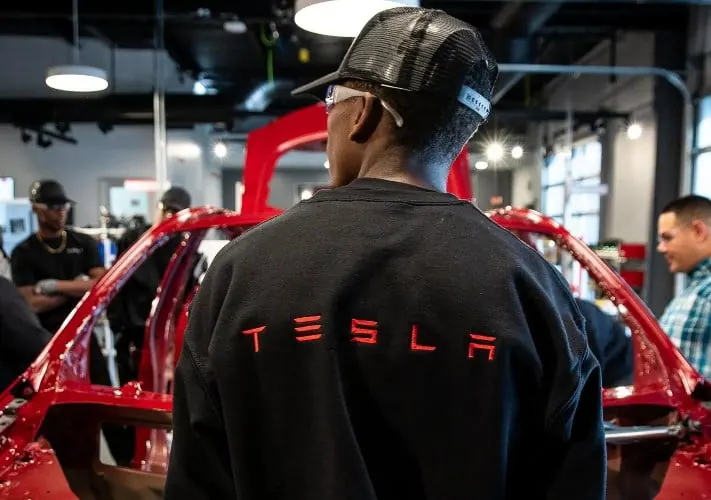
Tesla is facing a significant trial in California, accused of permitting widespread racial discrimination against black workers at its main factory in Fremont. The trial, set to begin at the Superior Court in Oakland, California, and expected to last until October 30, involves the California Civil Rights Department, which filed the lawsuit in 2022. The department alleges that black workers at the Fremont factory were subjected to repeated harassment by colleagues, including racist language and offensive writings on walls and facilities.
The lawsuit claims that Tesla failed to take adequate measures to prevent or stop these practices, creating a hostile work environment for black employees. Additionally, the suit alleges that black workers received lower wages than their counterparts, were denied promotion opportunities, and were segregated into lower-paying and less desirable jobs. This environment allegedly led to black workers being concentrated in the least attractive and lowest-paying positions.
The trial will be conducted without a jury, with Judge Peter Borkon presiding. This means that the judge will be responsible for determining whether Tesla violated California's civil rights laws. The case has significant financial implications for Tesla, as California's workplace discrimination law does not impose a cap on compensation that can be awarded to affected workers. If Tesla is found liable, it could face millions of dollars in damages.
This trial is not an isolated incident for Tesla, which has faced similar allegations regarding its work environment at the Fremont factory and other facilities. The company is also facing a lawsuit from the U.S. Equal Employment Opportunity Commission over claims of racial harassment, as well as dozens of individual lawsuits from current and former employees. Last year, a California judge ruled that over 6,000 black workers could not proceed with a class-action lawsuit against Tesla, a decision considered a legal victory for the company.
Despite this, Tesla has settled some individual cases, including a lawsuit filed by a former elevator operator at the Fremont factory, who was awarded $137 million in damages, later reduced by the judge. Tesla denies any wrongdoing, asserting that it does not tolerate discrimination and has fired employees found to have engaged in misconduct.
The California Civil Rights Department's lawsuit details allegations that Tesla's Fremont factory was a hostile work environment for black employees, with racist graffiti, slurs, and offensive images commonplace. The department also claims that the company's policies and practices resulted in black workers being given less desirable assignments and lower pay. Tesla's defense will focus on refuting these claims and demonstrating that it took steps to address any issues.
As the trial begins, Tesla's reputation and financials are under scrutiny. The company has consistently denied allegations of systemic racism and discrimination, emphasizing its commitment to a fair and inclusive workplace. The outcome of this trial could have significant implications for Tesla and other companies regarding their responsibilities to prevent workplace discrimination.
Key points
- Tesla faces a landmark trial in California over allegations of racial discrimination against black workers at its Fremont factory.
- The trial could result in significant financial penalties for Tesla if it is found liable for violating California's civil rights laws.
- This case is part of a broader pattern of allegations against Tesla regarding its treatment of black employees and its workplace culture.