As part of the 16-day activism against gender-based violence, Terre des hommes is aiding the organization of criminal hearings dedicated to violence against women and girls in Guinea. The hearings are taking place at the Dixinn Court of First Instance, aiming to enhance access to justice for survivors of gender-based violence and combat impunity. This initiative is a collaboration with the Ministry of Justice and Human Rights and the Ministry of Women, Family, and Solidarity.
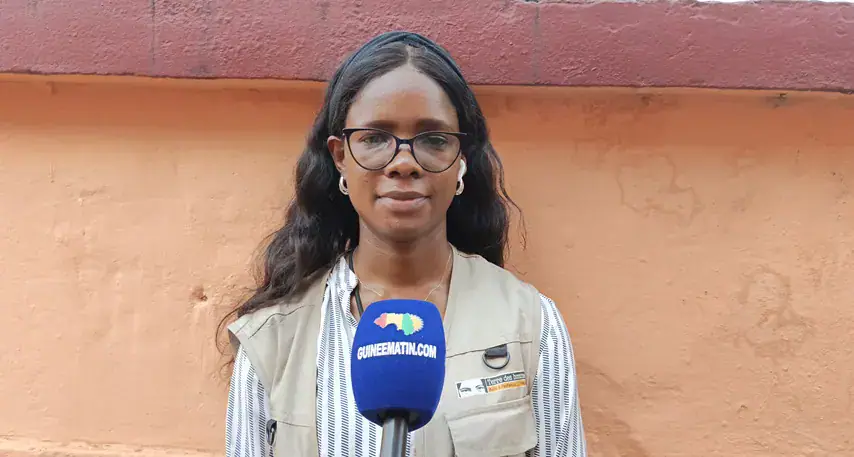
The project, known as RedIR-VBG, is funded by the European Union and implemented in Conakry, Kindia, and Labé regions by a consortium including Terre des hommes, Sabou Guinée, and AGUIAS. The project has three components: prevention through community awareness, support for victims, and judicial assistance. Aminata Baldé, supervisor of access to justice at Terre des hommes, emphasized the importance of supporting these hearings during the 16-day activism period.
The hearings are being held in three locations: within the court premises, at the Dixinn mayor's office, and at the Conakry Court of Appeal. This approach aims to expedite the processing of cases and enable victims of gender-based violence to obtain justice and reparations. According to Aminata Baldé, several cases have been pending before the courts without being tried, prompting the collaboration with the Dixinn court to organize these hearings.
The initiative seeks to address the backlog of cases and provide support to victims of various forms of violence, including rape, harassment, and other sexual violence. Terre des hommes is providing assistance with medical care, judicial procedures, and secure housing, tailored to each victim's needs. This effort builds on a similar experience in Labé and Kindia.
Despite the progress made, challenges persist in handling gender-based violence cases. Aminata Baldé highlighted the lack of effective legal aid in Guinea as a significant constraint, hindering the organization of certain criminal hearings. She appealed to the Minister of Justice to make legal aid operational, which would facilitate the handling of more cases.
The absence of functional legal aid creates difficulties, particularly in cases requiring the presence of a lawyer for the accused. While Terre des hommes covers the costs of lawyers for victims, they do not provide for the accused. Making legal aid effective would enable greater support for victims and more efficient case processing.
The collaboration between Terre des hommes and the Guinean judiciary aims to strengthen the response to gender-based violence and ensure that survivors receive the justice and support they need. The project's impact will be closely monitored, with hopes that it will serve as a model for future initiatives to combat gender-based violence in Guinea and beyond.
Key points
- The initiative aims to improve access to justice for survivors of gender-based violence.
- The project is funded by the European Union and implemented by a consortium.
- Challenges persist, including the lack of effective legal aid in Guinea.