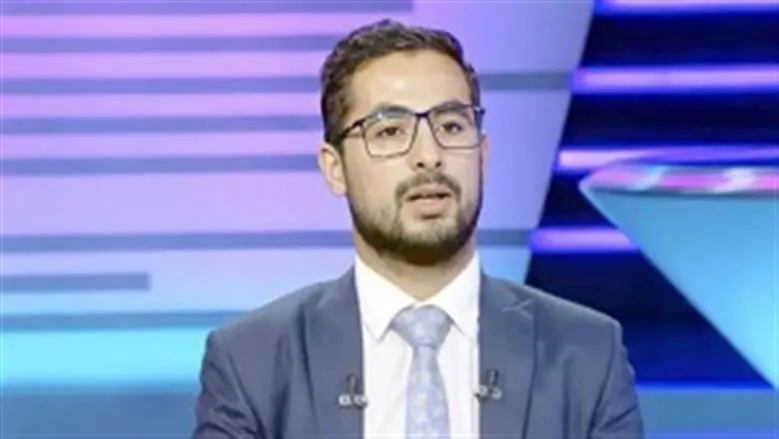
Tensions within Egypt's Muslim Brotherhood are on the rise as the group faces internal power struggles and divisions. According to Ahmed Sultan, a researcher specializing in Islamic movements, the infighting is not limited to personal differences but also involves multiple centers of leadership, exchanged accusations between factions, and conflicting statements and positions. This has led to a struggle over who has the right to represent the organization and make decisions on its behalf.
The divisions within the Brotherhood have resulted in base members being marginalized, with some feeling disconnected from the leadership. Sultan noted that the group's base is split between supporters of different leaders or currents within the Brotherhood, and some leaders have struggled to communicate with or impose their decisions on the base. This has created an environment in which various media platforms and entities are competing to present themselves as the authentic voice of the organization.
The ongoing infighting has widened the gap between the leadership and the base, making it more challenging for the Brotherhood to maintain a united front. As the conflict has become more public, it has weakened the group's ability to present a cohesive image. Sultan emphasized that the continued infighting could have long-term consequences for the Brotherhood's stability and effectiveness.
The power struggle within the Brotherhood has significant implications for Egypt's already complex political landscape. As one of the country's most influential Islamist groups, the Brotherhood's internal divisions could create opportunities for other groups to capitalize on their weakness. This could lead to further instability and potentially even more violence in the region.
Despite the challenges facing the Brotherhood, the group remains a significant force in Egyptian politics. Its influence extends beyond its own membership, with many Egyptians still viewing the group as a key player in the country's Islamist movement. However, the ongoing infighting has raised questions about the Brotherhood's long-term viability and its ability to present a united front.
The Brotherhood's internal divisions have also sparked concerns about the group's ability to engage in meaningful dialogue with other Egyptian political forces. As the country's political landscape continues to evolve, the Brotherhood's ability to adapt and present a united front will be crucial in determining its future influence.
The situation within the Brotherhood highlights the complexities of Egypt's Islamist movement and the challenges facing groups seeking to navigate the country's complex politics. As the Brotherhood and other groups continue to evolve, their ability to adapt to changing circumstances will be critical in determining their long-term success.
Key points
- The Muslim Brotherhood is facing internal divisions and power struggles that threaten its stability and effectiveness.
- The infighting has resulted in base members feeling marginalized and disconnected from the leadership.
- The ongoing divisions have significant implications for Egypt's political landscape and the Brotherhood's long-term viability.