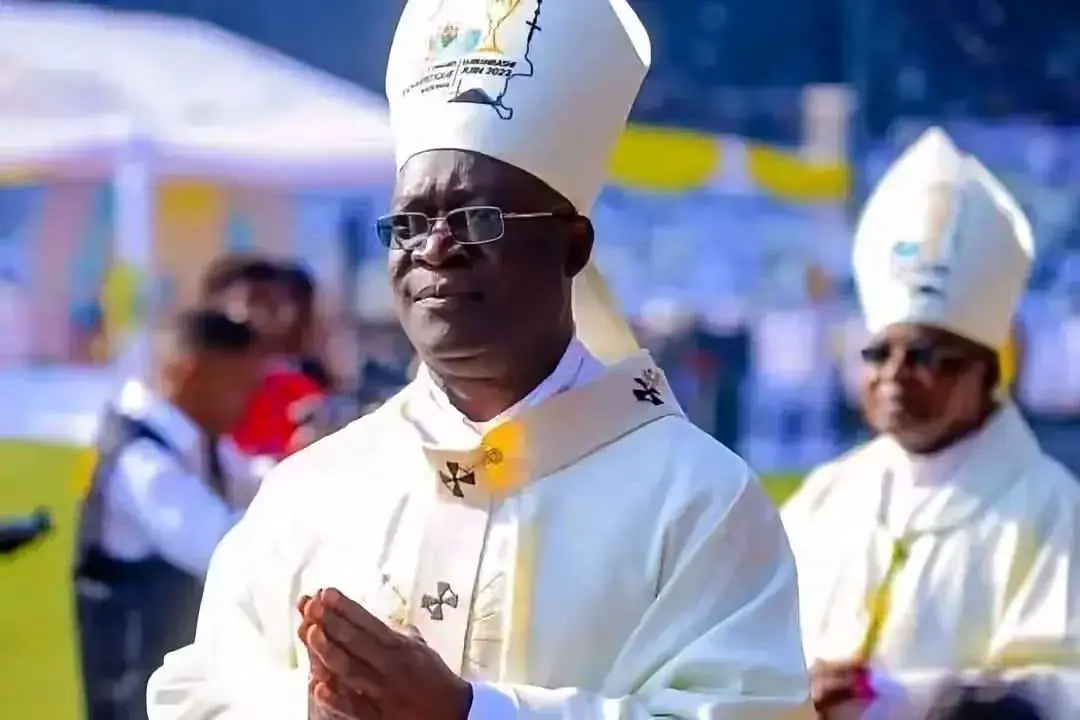
The city of Lubumbashi in the Democratic Republic of Congo has been experiencing rising tensions as Joyce Tunda Kazadi, the mayor, faces criticism for her leadership style. Many have accused her of being authoritarian and suppressing dissent. Recently, Kazadi has been at odds with the Catholic Church, which has been a vocal critic of her administration. The church's Lubumbashi diocese, led by Archbishop Fulgence Muteba, has been a key player in promoting reconciliation and dialogue in the region.
The conflict between Kazadi and the church came to a head recently when Archbishop Muteba, who is also the president of the National Episcopal Conference of Congo (CENCO), was reportedly sequestered at his residence by police. Several bishops, priests, and nuns were also allegedly tear-gassed during a protest. The incidents have sparked widespread condemnation, with many accusing Kazadi of overstepping her authority and disrespecting the church.
The Catholic Church has played a significant role in promoting reconciliation and dialogue in the Katanga region, which has been plagued by intercommunal tensions and violence. In 2022, Archbishop Muteba organized a forum in Lubumbashi, which brought together different stakeholders to discuss the region's challenges and promote unity. The forum resulted in a symbolic handshake between former President Joseph Kabila and Moïse Katumbi, two prominent figures in the region.
The Lubumbashi forum was seen as a significant step towards healing and reconciliation in the region. Archbishop Muteba described it as a "page memorable" in his ministry, highlighting the power of dialogue and the importance of bringing people together. However, critics argue that Kazadi's actions are undermining these efforts and creating divisions within the community.
Kazadi's supporters argue that she is working to address the city's challenges and promote development. However, her critics contend that her methods are authoritarian and that she is ignoring the concerns of marginalized communities. The situation in Lubumbashi remains tense, with many calling for Kazadi to engage in dialogue with her critics and work towards finding solutions that benefit all stakeholders.
The Congolese government has been criticized for its handling of the situation, with some accusing President Félix Tshisekedi of being too lenient towards Kazadi. The situation has also raised concerns about the role of tribalism and regionalism in Congolese politics, with some arguing that Kazadi's actions are driven by a desire to promote the interests of her own ethnic group.
As the situation in Lubumbashi continues to unfold, many are calling for calm and restraint. The Catholic Church has urged its followers to remain peaceful and to continue working towards reconciliation and dialogue. The international community is also watching the situation closely, with many expressing concern about the potential for further violence and instability in the region.
Key points
- The conflict between Joyce Tunda Kazadi and the Catholic Church has highlighted the challenges facing the city of Lubumbashi and the need for dialogue and reconciliation.