In Kenya's coastal region, marine conservation efforts are underway to protect coral reefs, combat unsustainable fishing, and address climate change. The Mkwiro Beach Management Unit (BMU) on Wasini Island is one such initiative, where community members like Khadija Dossa are working to conserve coral reefs, farm octopus and seaweed, and restore mangroves. This has created jobs for hundreds of local youth but has also required the community to abandon their traditional fishing practices.
The introduction of Marine Protected Areas (MPAs) has restricted unauthorized access by communities, sparking tensions between conservation goals and community livelihoods. Dossa's community has a long history of fishing and a cultural connection to the ocean, which has provided them with food and income for generations. The government and development community have pitched conservation efforts as a way to address threats to the ocean and provide financial support to communities.
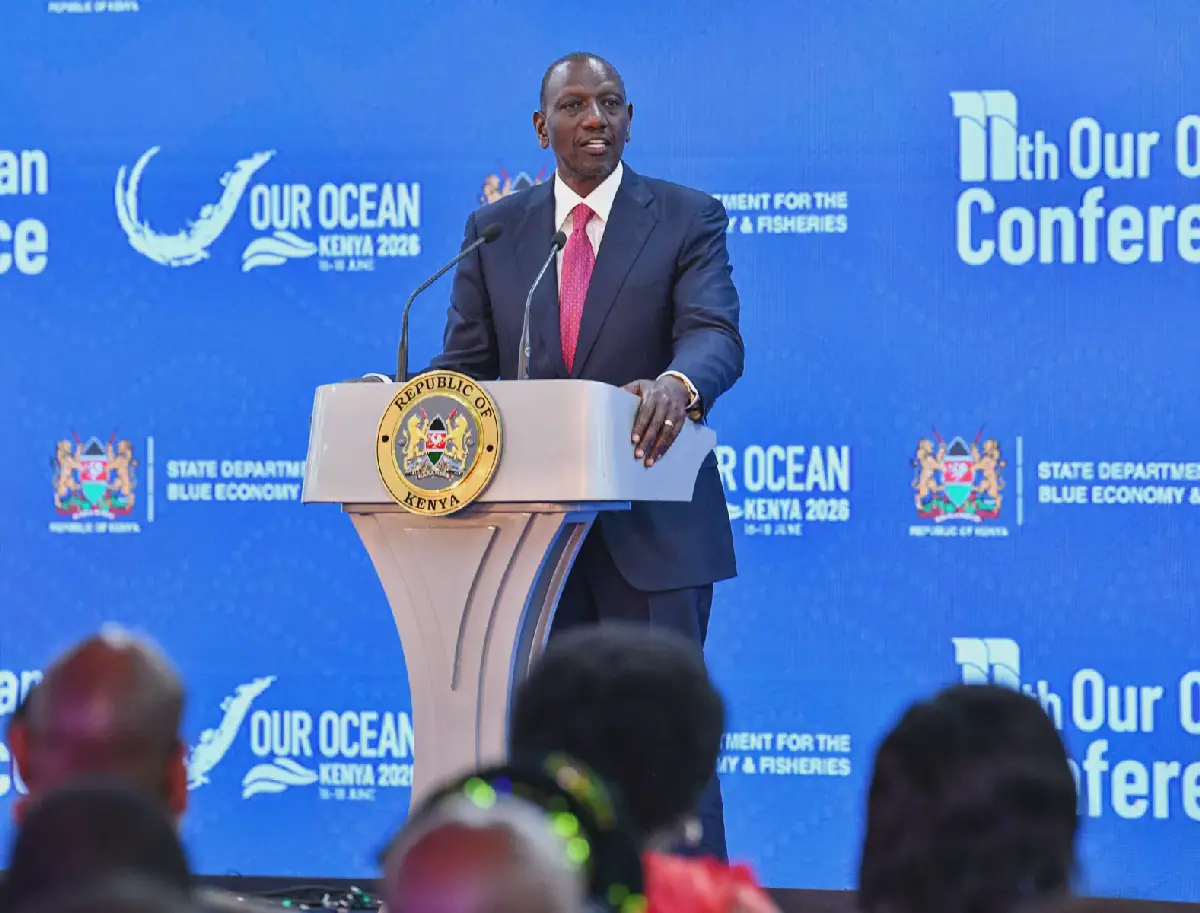
International organizations, including Bloomberg Philanthropies, have committed significant funding to ocean conservation efforts. Since 2014, Bloomberg Philanthropies has committed over $635 million, while the Agha Khan Foundation has launched a $500 million 10-year initiative to restore mangroves and coastal ecosystems across six Indian Ocean countries. Recently, the Our Oceans Conference in Mombasa, Kenya, raised about $6.4 billion to support ocean conservation and sustainable fisheries.
However, the influx of funding has also raised concerns about politics and corruption. Local communities are experiencing the impact of conservation efforts on their livelihoods, and there are concerns about how funds are being allocated and used. Jesse Kosgei, a marine research scientist at the Wildlife Conservation Society (WCS), explained that funding is mainly budgeted towards campaigning for conservation of unprotected coral reefs and co-managing and conserving reefs within identified areas.
The implementation of MPAs has also led to conflicts between conservation goals and community interests. In some areas, fishing practices are banned completely, and patrols are conducted to prevent exploitation and destructive fishing gears. However, local communities like Salim Mohamed from Malindi-Ungwana bay are concerned about the impact of conservation efforts on their livelihoods and the potential for corruption.
Despite these challenges, conservation efforts are showing positive results. The Mkwiro BMU has seen an improvement in livelihoods for community members, and the restoration of mangroves and coral reefs is underway. However, it is essential to address the concerns and needs of local communities to ensure the long-term success of conservation initiatives.
As conservation efforts continue, it is crucial to balance the needs of local communities with the goals of marine conservation. The Kenyan government and international organizations must work together to ensure that funding is allocated effectively and that conservation efforts are implemented in a way that benefits both the environment and local communities.
Key points
- Conservation efforts have created jobs and improved livelihoods for local communities but have also required restrictions on traditional fishing practices.
- International organizations have committed significant funding to ocean conservation efforts, but concerns about politics and corruption remain.
- Balancing the needs of local communities with conservation goals is crucial for the long-term success of marine conservation initiatives.
Reporting sources
- The tensions playing out in Kenya’s marine conservation · African Arguments