A press conference at the Palais de la Nation in Kinshasa on March 4, 2023, marked a significant escalation in tensions between the Democratic Republic of the Congo (DRC) and France. DRC President Félix Tshisekedi, also known as Fatshi Tshivube, and French President Emmanuel Macron exchanged firm words, accompanied by gestures and pointed fingers, signaling the end of diplomatic niceties. The DRC had been seeking a clear condemnation from France of the Rwandan government's support for the M23 armed group.
President Tshisekedi criticized France's historical approach to African electoral processes, referencing a 2019 statement by then-French Foreign Minister Jean-Yves Le Drian, who mentioned a "compromis à l'africaine" or African-style compromise. Macron rejected allegations of interference, highlighting France's role in promoting democratic change in the DRC in 2019. The two leaders also discussed security concerns, with Macron mentioning potential sanctions if ceasefire agreements were not respected.
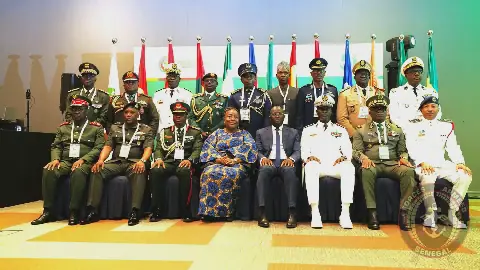
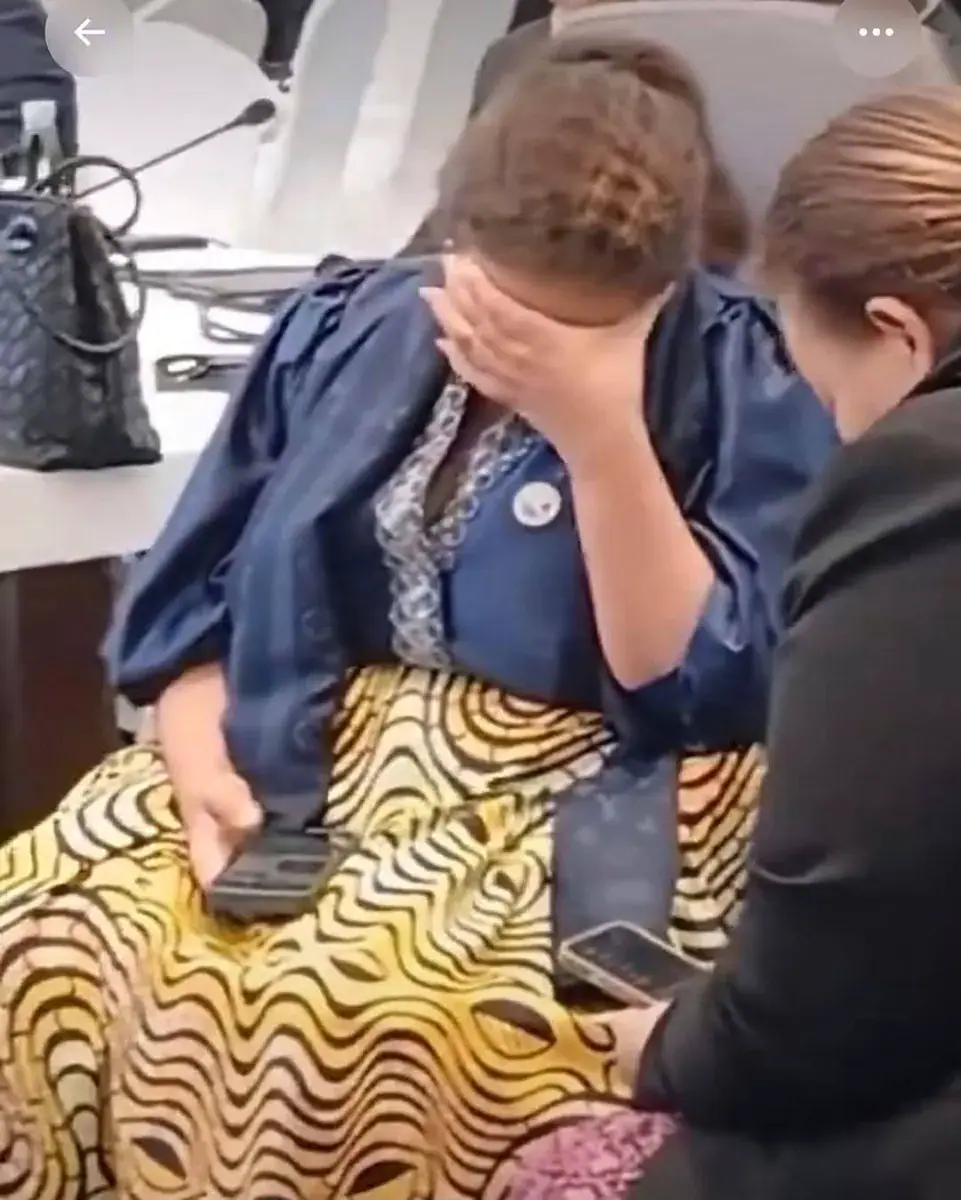
The tensions between the DRC and France have implications for the Francophonie, an international organization of French-speaking countries. At a meeting in Cambodia, President Tshisekedi threatened to withdraw from the organization, citing dissatisfaction with its leadership. He specifically targeted Louise Mushikiwabo, the Secretary General of the Francophonie, and made veiled threats and accusations against her.
The diplomatic spat has sparked criticism from various quarters, with some accusing President Tshisekedi's government of using divisive rhetoric and tactics. The DRC's relations with neighboring countries, including Rwanda, remain strained, with the M23 armed group continuing to operate in eastern DRC. The situation has raised concerns about regional stability and the humanitarian impact of ongoing conflicts.
Analysts have described the diplomatic approach employed by President Tshisekedi as the "diplomacy of finger pointing" and accused him of using "fatwa-like" language and making threats against the Francophonie. This approach has been seen as unproductive and potentially damaging to the DRC's international relationships.
The controversy has also highlighted internal divisions within the DRC and the role of social media in shaping public opinion. The government's use of online platforms to promote its views and counter criticism has been criticized as heavy-handed and restrictive. Freddy Mulongo Mukena, a journalist and commentator, has been vocal in his criticism of the government's approach, advocating for greater freedom of expression.
The diplomatic tensions between the DRC and France are likely to continue, with implications for regional and international relations. The DRC's relations with other countries, including its neighbors, will be closely watched, as will the situation within the Francophonie. Key issues to watch include the DRC's participation in the Francophonie and the potential for further escalation in tensions with France and other countries.
Key points
- The diplomatic exchange between President Tshisekedi and President Macron marked a significant escalation in tensions between the DRC and France.
- The DRC's relations with neighboring countries, including Rwanda, remain strained, with the M23 armed group continuing to operate in eastern DRC.
- The controversy has highlighted internal divisions within the DRC and the role of social media in shaping public opinion.