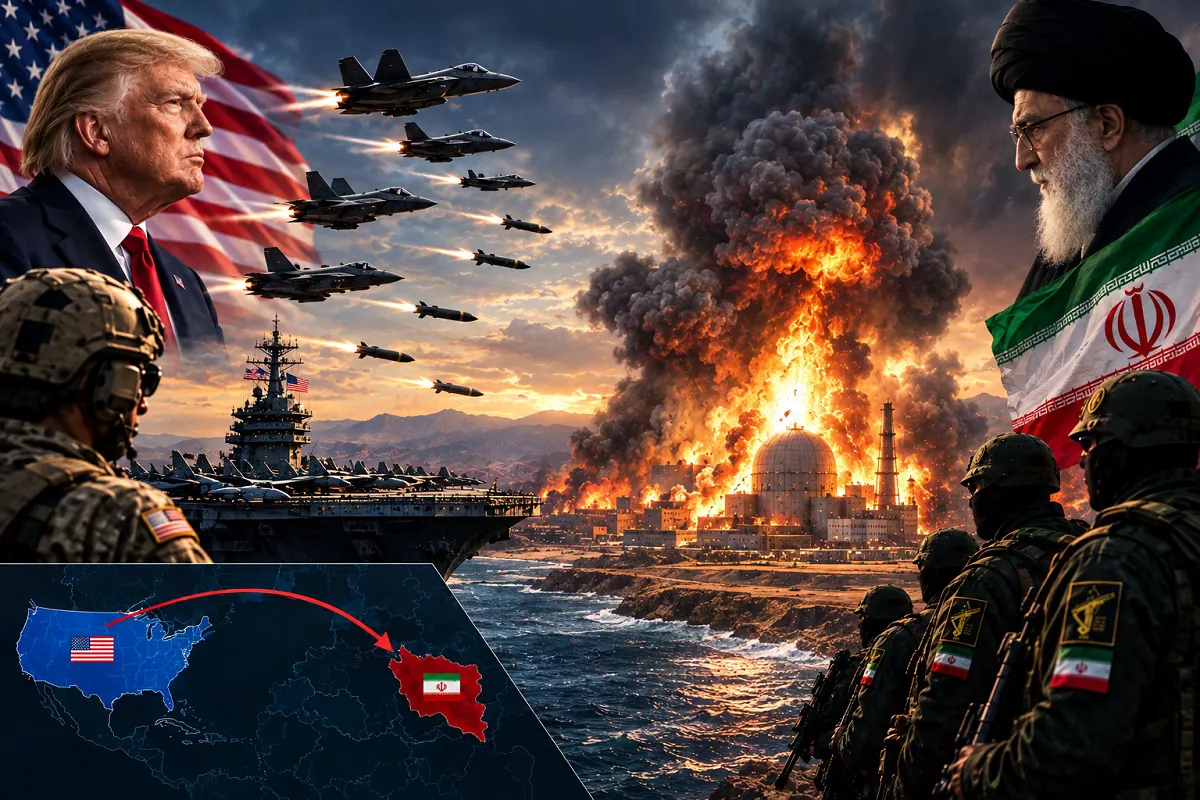
The situation in the Gulf region has taken a concerning turn, with multiple events unfolding over the weekend that have heightened tensions between the US and Iran. All US embassies in the region have been placed on high alert, with citizens being advised to return home. Iranian officials have claimed to possess information regarding potential US military preparations for a large-scale attack on Iran, allegedly with the complicity of regional countries.
US President Donald Trump has stated that he has three options regarding Iran: completely destroying the country, continuing to economically strangle it, or returning to negotiations. This comes as Trump faces increased stress ahead of the midterm elections, which are set to take place in five weeks and may result in the Democrats gaining control, potentially leading to impeachment proceedings against him.
The Iranian stance remains firm, with the country insisting that negotiations have already occurred, culminating in a Memorandum of Understanding (MoU) signed by Trump on June 17 in Versailles, which he subsequently ignored. Iran maintains that the MoU is the sole means of resolving the conflict, and until Trump agrees to implement it, the Strait of Hormuz will remain closed, the region will be in a state of war, and the global economy will be on the path to depression.
Analysts, including the British politician George Galloway and former CIA analyst Larry Johnson, have expressed concerns about the potential use of nuclear weapons against Iran, citing the risk of a humiliating defeat for the US and the potential for significant geopolitical repercussions. Iranian analysts, such as Professor Mohammed Marandi from the University of Tehran, acknowledge the danger but argue that the nation's history, culture, and resilience will prevent it from submitting to perceived injustice.
The situation is further complicated by the ongoing conflict in Ukraine, where the "strategic patience" displayed by Russia in the face of NATO provocations is beginning to wear thin. European countries, including the UK, France, and Germany, have been criticized for their irrational behavior in the face of a nuclear power, with concerns that they may be underestimating the potential consequences of their actions.
The cumulative effect of these tensions has led to warnings of a potential nuclear catastrophe, with George Galloway stating that "it is almost midnight on the nuclear clock." However, it is argued that it is still within humanity's power to avert disaster, through measures such as Trump returning to the MoU and European countries engaging in negotiations with Russia to establish a new security arrangement.
The economic consequences of the conflict are already being felt, with Iran's GDP having declined by over 10% during the war. The situation remains volatile, with global implications for peace and stability, and concerns about the potential for further escalation and the devastating consequences that would follow.
Key points
- US President Trump warns of potential military action against Iran
- Global nuclear threat looms amid rising tensions in Gulf region and Ukraine conflict
- Economic consequences of conflict already being felt, with Iran's GDP declining by over 10%