The Democratic Republic of Congo has accused Rwanda of waging a "silent war" through the transplantation of populations in the East of the country, a claim that has heightened tensions between the two nations. The accusations were made at a recent session of the UN Security Council, where the DRC's ambassador, Zénon Mukongo Ngay, called for the implementation of commitments outlined in Security Council resolutions. The resolutions, including resolution 2773, aim to bring an end to hostilities by the M23 rebel group and the withdrawal of Rwandan forces from DRC territory.
The DRC has requested the suspension of Rwandan contingents participating in UN peacekeeping operations, citing concerns over their presence in the country. The request includes a call for a halt to any new deployments or rotations of Rwandan troops until a verified withdrawal of Rwandan forces from DRC territory is achieved. The move is seen as a significant escalation of tensions between the two countries, which have a long history of conflict. The UN peacekeeping mission in the DRC, known as MONUSCO, has been operating in the country since 1999.
Rwanda has responded to the DRC's accusations, expressing concerns over the return of General Sylvain Ekenge to his position as spokesperson for the DRC's armed forces. Kigali had previously suspended Ekenge over comments that were deemed provocative towards Congolese communities speaking Kinyarwanda. The Rwandan ambassador to the UN, Martin Karoli Ngoga, questioned how the DRC handles issues related to hate speech and accountability. The DRC's diplomacy has rejected Rwanda's interference in the selection of Congolese officers.
The situation in the East of the DRC remains a major concern, with the DRC reporting a drone strike on September 28 in the town of Pinga, which it attributes to Rwandan Defence Forces. The strike reportedly killed five people and injured eight others. The DRC has called for an investigation into the incident, citing the need for verification by competent mechanisms, including the joint verification mechanism, with the support of MONUSCO.
In a separate development, the DRC's parliament has taken up a bill aimed at strengthening anti-corruption efforts. The bill, presented by Justice Minister Guillaume Ngefa Atondoko, has been declared receivable after a heated debate involving over 40 deputies. The legislation is seen as a key instrument in the fight against corruption, which is a major challenge for the DRC.
The tensions between the DRC and Rwanda have significant implications for regional stability. The two countries have a complex history of conflict, with Rwanda accused of supporting rebel groups in the DRC. The DRC, in turn, has accused Rwanda of territorial ambitions. The international community has called for restraint and a return to dialogue.
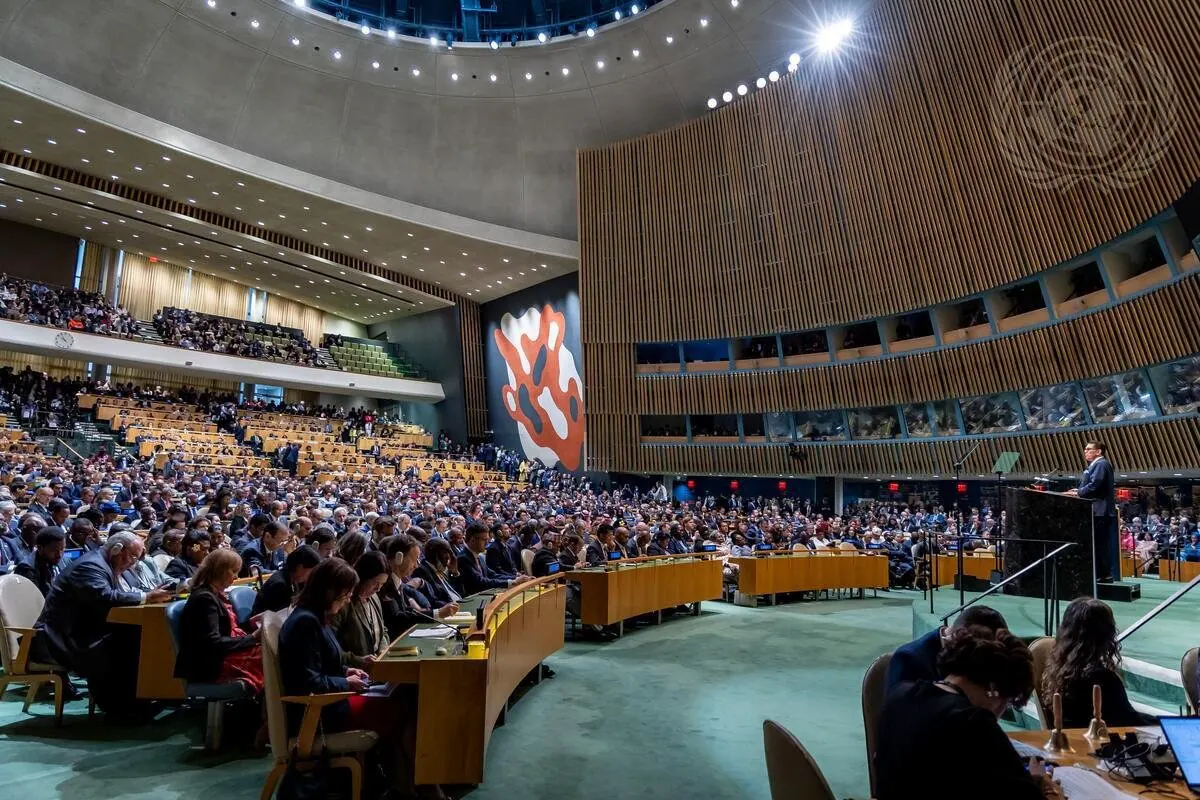
The UN Security Council has been seized of the issue, with the Council's 10232nd session hearing from both countries. The Council has urged restraint and a return to dialogue, highlighting the need for a peaceful resolution to the conflict. The situation remains fluid, with ongoing concerns over the security situation in the East of the DRC.
Key points
- DRC accuses Rwanda of waging a "silent war" through population transplantation
- Rwanda expresses concerns over return of General Sylvain Ekenge
- DRC parliament takes up anti-corruption bill