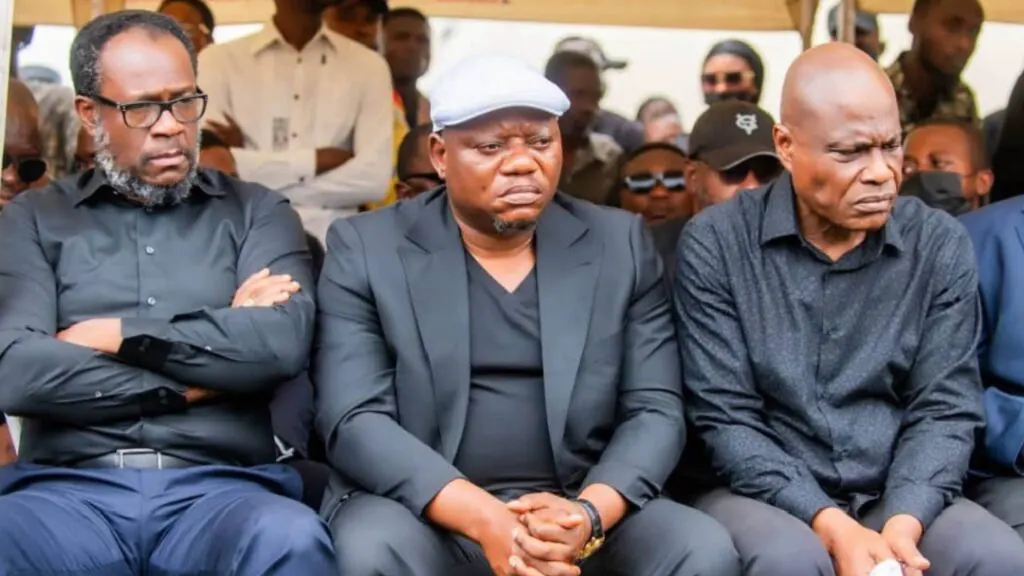
A significant police presence was deployed inside and around the Centre hospitalier universitaire du Cinquantenaire on September 26, preventing the retrieval of Manassé Lomboto Lomengola's body. The activist, a member of the ADD Congo party led by Prince Epenge, died during a violent protest organized by the Coalition Article 64 on September 15. Family members, close associates, and opposition leaders had gathered for the planned funeral, but morgue officials refused to release the body, citing a judicial requisition.
The parquet de grande instance de Kinshasa/Kalamu issued a judicial requisition for investigative purposes, signed by public prosecutor Kibangala Bimwana Alice. The requisition, based on Article 12 of the Penal Code, ordered the hospital to retain the body until the investigation into Lomboto's death is complete. This move has disrupted the funeral program, which included a mass at the Cathédrale du Centenaire protestant and an oration by the party.
The opposition has denounced the government's actions, accusing them of blocking the funeral for political reasons. They claim the judicial requisition is an attempt to prevent a significant political gathering around the deceased's body. The opposition demands the immediate release of the body to allow the family to pay their respects and conduct the funeral with dignity.
The public prosecutor maintains that the body's retention is necessary for investigative purposes, including potential autopsies or forensic examinations to establish criminal responsibility for Lomboto's death. This stance has created a standoff between the government and the opposition, with the latter accusing the regime of President Tshisekedi of interfering with the funeral.
The incident has sparked concerns about the government's handling of activist deaths and the exercise of civil liberties in the Democratic Republic of Congo. The ADD Congo party and other opposition groups have expressed outrage over the situation, calling for the body to be released and for those responsible for Lomboto's death to be held accountable.
As the situation continues to unfold, the family and friends of Manassé Lomboto Lomengola are yet to conduct the funeral, while the government and opposition remain at odds over the body's release. The incident has highlighted the tensions between the government and opposition in the Democratic Republic of Congo, particularly regarding the exercise of civil liberties and the handling of activist deaths.
The case has also raised concerns about the use of judicial requisitions to restrict civil liberties and the exercise of power by the government. Human rights groups and activists have expressed concern over the use of such tactics to silence opposition voices and restrict the rights of citizens to assemble and express themselves.
Key points
- The opposition has accused the government of blocking the funeral for political reasons.
- The government claims the body's retention is necessary for investigative purposes.
- The incident has highlighted tensions between the government and opposition in the Democratic Republic of Congo.