The Communications Authority of Kenya (CA) has developed new safeguards to protect subscribers from losing access to mobile numbers that have become linked to financial services, online accounts, and digital identities. The new procedures require telcos to use all available contacts provided by subscribers during the Know Your Customer (KYC) process to reach owners whose numbers have been inactive continuously for more than three months. This move aims to prevent subscribers from losing access to their mobile numbers.
The contact and notification process will run for three months before a number becomes eligible for recycling. During this period, telcos must attempt to reach the subscriber using all available contacts. If the attempts are unsuccessful, the telco will issue a generic public notice informing the public of their intention to deactivate and recycle numbers that have been inactive for more than six months. This notice will include a USSD facility for members of the public to check whether their numbers are among those earmarked for deactivation.
The measures were necessitated by a March 19, 2026, ruling by the Milimani High Court, which directed the State Law Office to put in place safeguards against unfettered deactivation and arbitrary reassignment of inactive mobile numbers. The court ruling followed a petition arguing that mobile numbers had become a form of digital identity, given their growing use in accessing financial and online services. The CA developed procedures and technical safeguards governing the deactivation and recycling of inactive numbers, which were required to be operationalised by September 19, 2026.
Subscribers who are unable to use their numbers due to prolonged illness, imprisonment, travel, or other circumstances can seek to have their numbers whitelisted and protected from recycling. The guidelines require the commissioner of prisons to write to service providers, notifying them to whitelist numbers belonging to inmates who are incarcerated for more than six months. A subscriber or a person legally authorised to act on their behalf can request the protection, subject to providing evidence.
Where attempts to reach a subscriber fail, data associated with the number will be delinked, archived, and retained in accordance with applicable data-retention laws. The authority said it would continue monitoring the implementation of the safeguards and review them in response to technological, legal, and regulatory developments, as well as consumer interests. This move aims to balance the need to free up inactive numbers with the need to protect subscribers' interests.
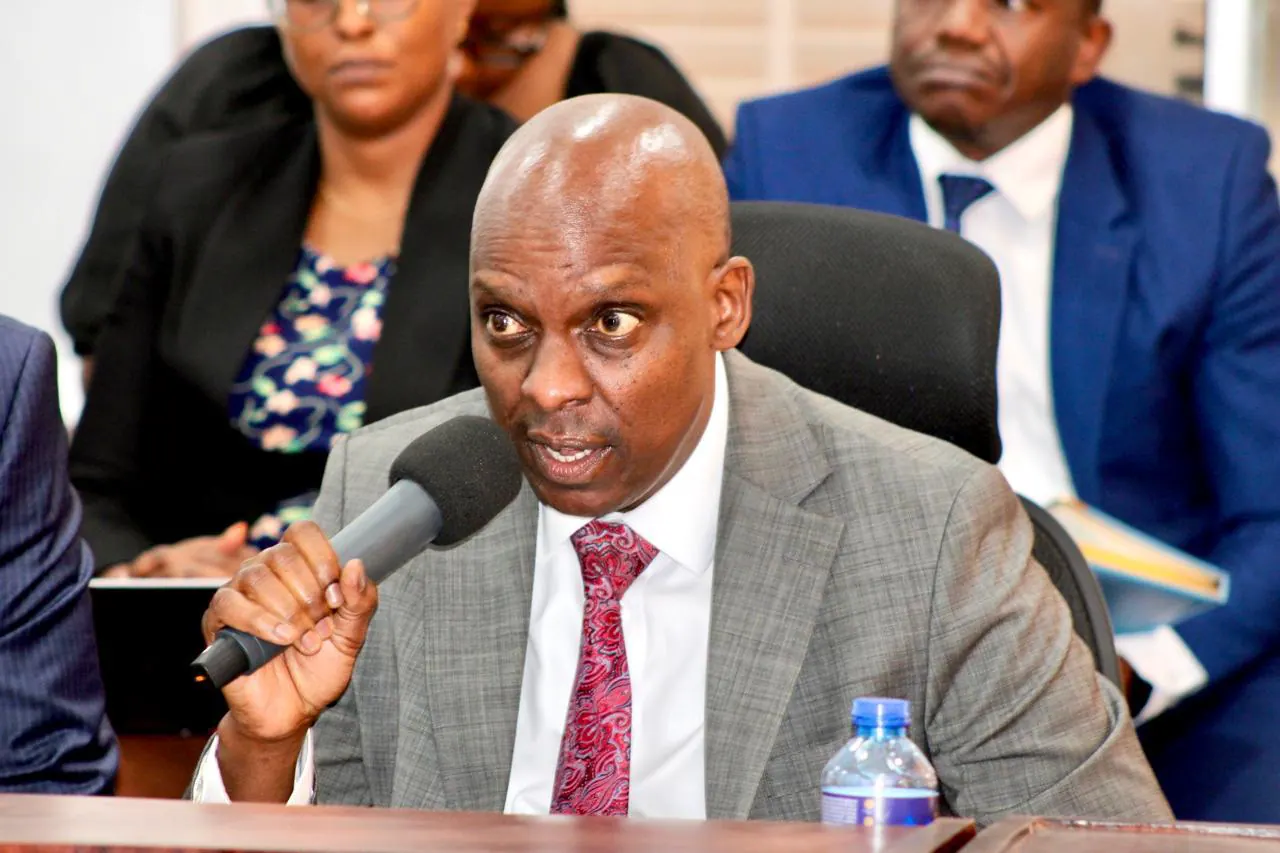
The development comes amid concerns that recycling mobile numbers could expose former subscribers to privacy and financial risks, particularly where numbers have previously been used to access banking, mobile money, and other digital services. The CA director general, David Mugonyi, stated that the recently developed procedures and technical safeguards require all SIM card offering service providers to use all available contacts in their databases to contact subscribers whose numbers have been detected to be inactive continuously for more than three months.
The new safeguards will provide an opportunity for subscribers to reclaim their inactive numbers or protect their digital identities. The measures will also ensure that telcos handle the deactivation and recycling of inactive numbers in a transparent and accountable manner. Key stakeholders, including telcos and government agencies, are expected to work together to implement the new procedures and protect subscribers' interests.
Key points
- Telcos must issue public notices before deactivating inactive SIM cards.
- Subscribers can seek to have their numbers whitelisted and protected from recycling under certain circumstances.
- The new safeguards aim to balance the need to free up inactive numbers with the need to protect subscribers' interests.