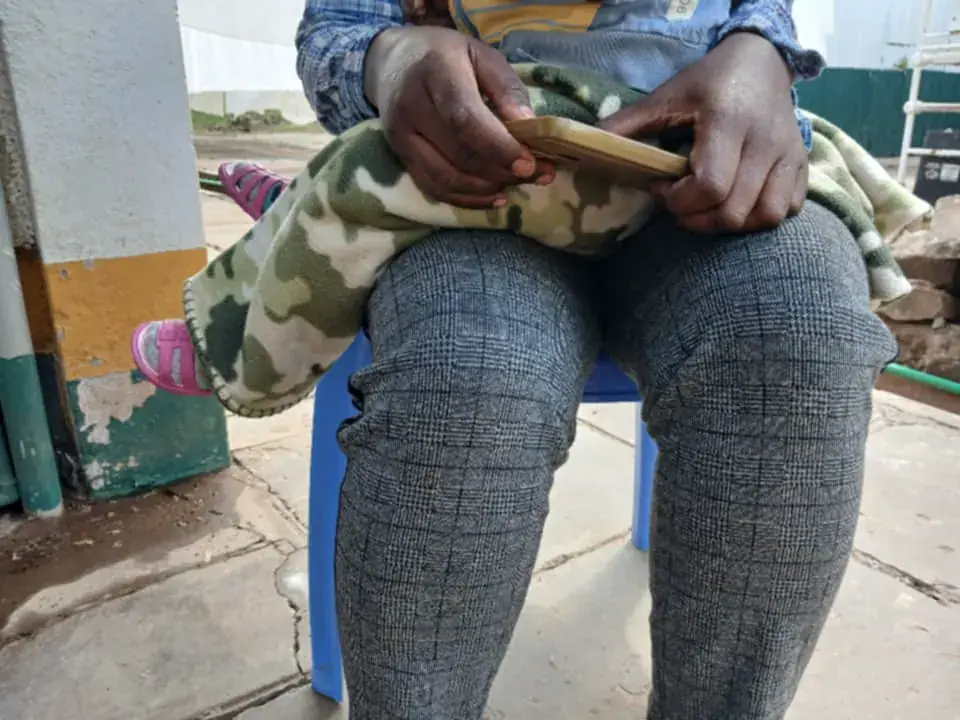
Teenage mothers in Kenya's informal settlements, such as Kibera and Gatwekera, are struggling to access contraceptives due to various challenges. They report experiencing discrimination and financial barriers when seeking reproductive healthcare. Some have experienced prolonged bleeding and other complications after receiving contraceptives without adequate counselling. These challenges highlight the need for improved access to healthcare and informed contraceptive choices for young mothers.
A 17-year-old teenage mother from Makina, Kibera, shared her experience of using family planning methods. She has been experiencing continuous menstruation for a month after receiving a contraceptive method and wants to have it removed but cannot afford the cost of seeking medical attention. Without insurance, accessing healthcare at nearby facilities is financially difficult for her. Some clinics charge Sh500, an amount she cannot afford. Her challenges started even before she became a mother, recalling difficulties accessing hospital services during delivery.
Another teenage mother, aged 19, from Gatwekera, faced similar struggles, including judgement from medical professionals. She experienced dismissal of her concerns when her child developed a health complication and felt unheard as a young mother trying to protect her child's health. Her experience with contraceptive services was equally frustrating, as she was offered a five-year contraceptive method without proper counselling. She subsequently experienced side effects, including prolonged and heavier menstruation, dizziness, and changes in her eating habits.
Community organisations, such as Imarisha Dada, are working to raise awareness about informed contraceptive choices and access to healthcare for young mothers. The 19-year-old teenage mother from Gatwekera learned about the importance of proper medical assessment and counselling before choosing a contraceptive method through Imarisha Dada. She believes healthcare providers should listen to adolescent mothers, explain available options, and allow them to participate in decisions about their reproductive health.
Brian Weda, a nursing officer at Kisii County Teaching and Referral Hospital, emphasizes the importance of counselling in contraceptive provision. He explains that healthcare providers should discuss a client's medical history before recommending suitable options. According to Weda, nurses use a tool called the Medical Eligibility Criteria (MEC) wheel to assess which contraceptive methods are medically appropriate for an individual. He stresses that clients have the right to choose their preferred method.
The Ministry of Health is expanding Social Health Authority (SHA) coverage for adolescent mothers and their babies. This move aims to address the financial barriers that prevent young mothers from accessing healthcare. However, more needs to be done to address the systemic challenges and discrimination faced by teenage mothers in Kenya's informal settlements.
The experiences of teenage mothers in Kenya highlight the need for comprehensive reproductive healthcare services that cater to their unique needs. This includes providing accessible and affordable healthcare, proper counselling, and informed contraceptive choices. By addressing these challenges, young mothers can make informed decisions about their reproductive health and access the care they need to prevent complications and improve their overall well-being.
Key points
- Teenage mothers in Kenya's informal settlements face multiple challenges when accessing contraceptives, including discrimination, financial barriers, and inadequate information.
- Community organisations are working to raise awareness about informed contraceptive choices and access to healthcare for young mothers.
- The Ministry of Health is expanding SHA coverage for adolescent mothers and their babies to address financial barriers.
Reporting sources
- Between Fear and Choice: Why Teen Mothers Struggle to Access Contraceptives · ghettoradio.co.ke