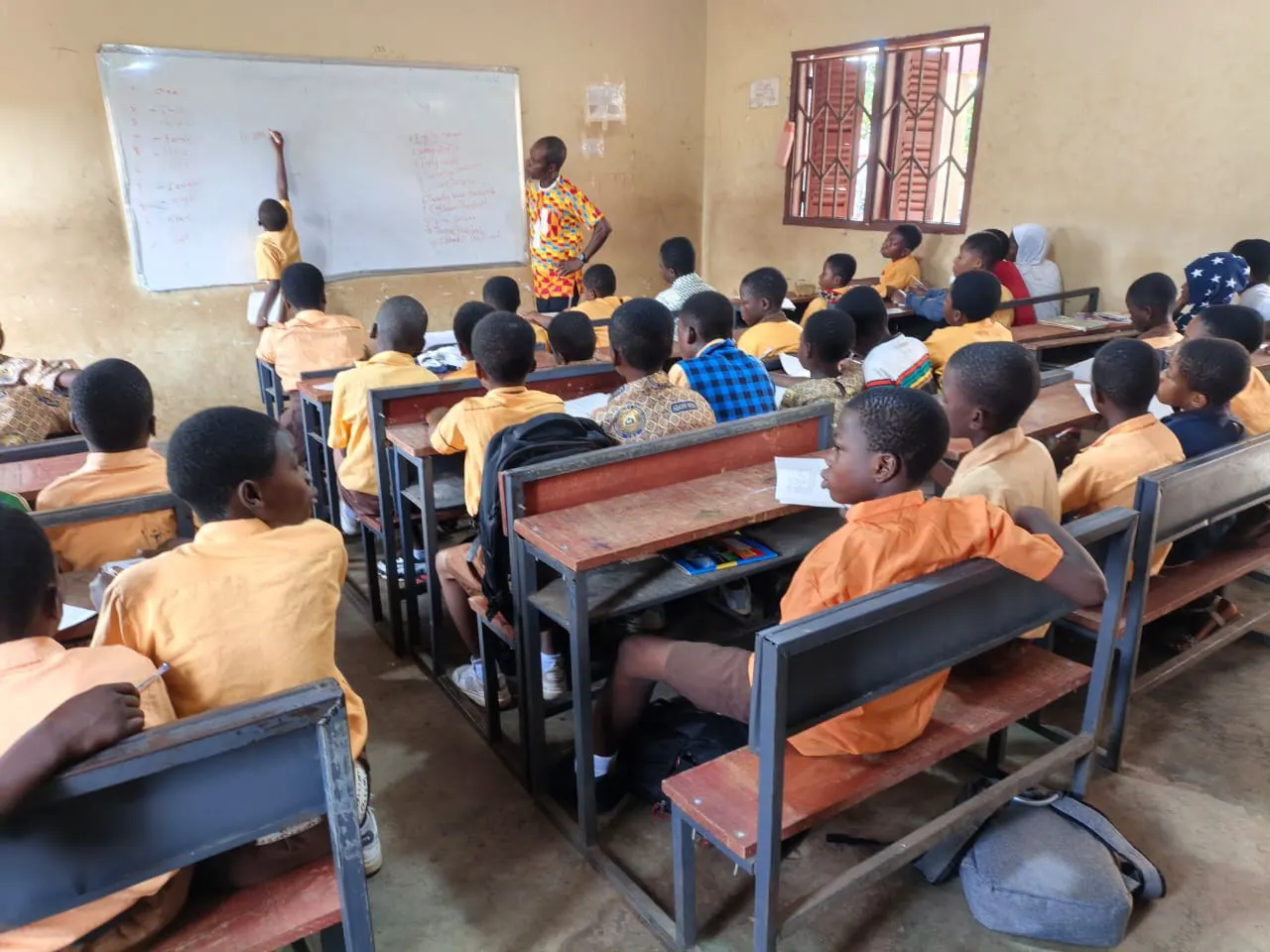
Classrooms in Techiman, Ghana are once again filled with pupils as teacher unions have called off their nationwide strike. The strike, which had disrupted school life for months, ended on October 12, 2026, with schools in the Bono East Region town of Techiman resuming academic activities. According to the Ghana News Agency (GNA), teaching and learning have resumed at Baptist Primary and Junior High School (JHS) in the Techiman Hausa Zongo, as well as at the Akumfi Ameyaw Cluster of Schools and the Methodist Cluster of Schools.
The resumption of classes has brought relief to parents and pupils in Techiman, who had been affected by the strike. At the Baptist Primary and JHS, Headmistress Comfort Ohenewaa expressed happiness that academic activities had resumed and commended teachers for heeding the call to end the strike. She noted, however, that attendance at the lower primary level was still low, but was hopeful that more pupils would return to class within the week.
The Ghana National Association of Teachers (GNAT), one of the main unions representing basic and secondary school teachers in Ghana, had been at the centre of negotiations throughout the dispute. Yaw Asamoah, Techiman Metropolitan Secretary of GNAT, commended the government for responding to the concerns raised by teacher unions, describing it as refreshing that government was prepared to understand and address the plight of teachers.
The strike had been a long-standing issue, with GNAT insisting on clear, written commitments from government before agreeing to return to classrooms. The union's demands had previously hinged on getting concrete assurances on teacher benefits, which had been a major point of contention. The government's response has seemingly addressed these concerns, leading to the end of the strike.
With the resumption of classes, attention has turned to how the Ghana Education Service (GES) will help schools recover lost instructional time. The GES had been weighing options such as shortening school holidays or extending daily school hours to claw back lessons missed during the walkout. This move aims to ensure that pupils, particularly JHS candidates, receive consistent instruction ahead of national examinations.
The end of the strike has brought relief to parents and pupils in Techiman and across Ghana, who had been left without clear answers on when school would normally restart. The resumption of full classroom attendance is a direct, practical relief for families who had been affected by the strike. As schools return to normal, the focus shifts to ensuring that pupils catch up on lost lessons.
While the situation is returning to normal, with JHS classrooms reported to be at full capacity, some concerns still linger. Headmistress Ohenewaa expressed hope that lower primary attendance would fully normalise within the week, and sources have not indicated whether the GES has yet finalised its decision on shortened holidays or extended school hours to recover lost lesson time.
Key points
- Teacher unions in Ghana have called off their nationwide strike, allowing pupils to return to full classrooms in Techiman and other parts of the country.
- The strike had disrupted school life for months, with pupils and parents affected by the uncertainty.
- The Ghana Education Service is considering measures to help schools recover lost instructional time, including shortening school holidays or extending daily school hours.