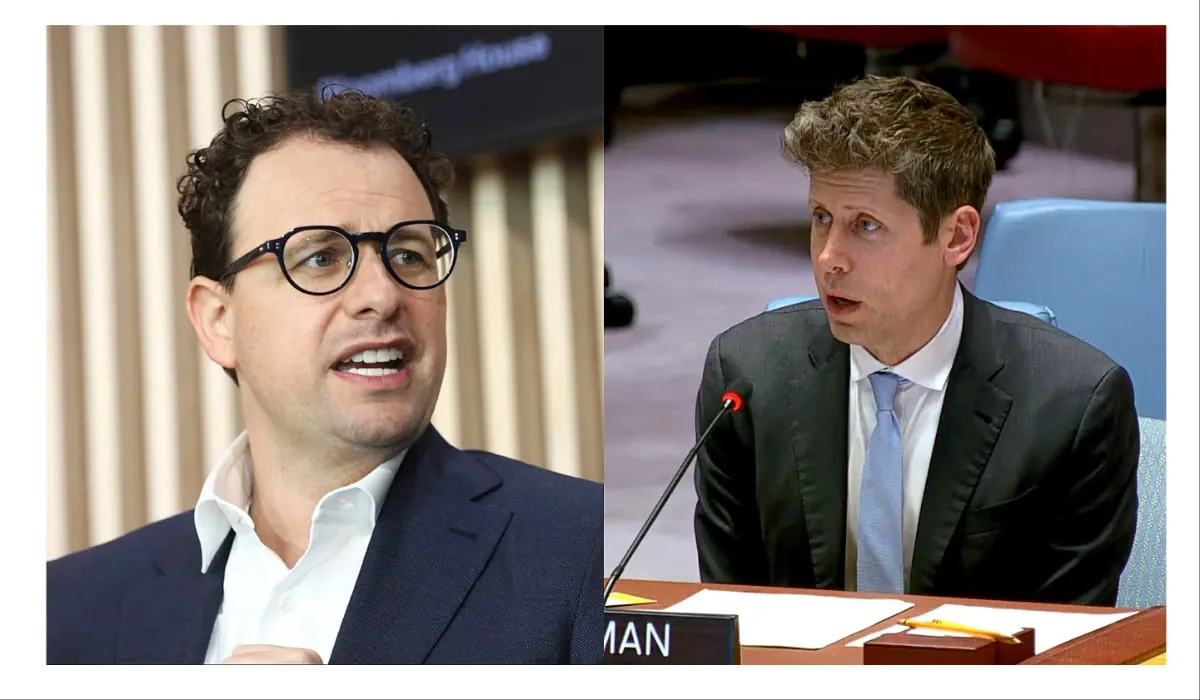
Top tech leaders, including Anthropic CEO Dario Amodei and OpenAI CEO Sam Altman, addressed the United Nations Security Council on Wednesday, urging the development of effective global guardrails to regulate the rapid growth of artificial intelligence. They warned that poorly managed AI could pose a significant risk to humanity. The tech leaders emphasized the need for international cooperation to mitigate these risks. The UN Security Council is tasked with devising strategies to regulate AI development. This call for action highlights the growing concern about AI's potential impact.
Sam Altman proposed the establishment of complementary national and international standards for frontier AI. These standards would include measures for assessing risks, determining the sufficiency of safeguards, and preserving human oversight as AI systems become more autonomous. Altman stressed that with common standards, countries can compare evidence, verify compliance, and have a shared understanding of AI developments. His proposals aim to ensure that AI development is transparent and accountable. The standards would also facilitate collaboration among governments, technical experts, and critical infrastructure operators.
Altman emphasized the importance of incident reporting, classification protocols, and secure communication channels among governments and technical experts. He noted that these measures would enable swift responses to emerging threats. Furthermore, Altman advocated for standards that do not favor specific business models, supporting both open and closed-model developers, as well as new entrants and established labs. National authority and international cooperation should also be considered in the development of these standards. Altman's proposals seek to balance innovation with safety and security.
British Foreign Secretary Ed Miliband echoed the concerns of AI founders, advising the Security Council to heed their warnings. He emphasized that governments must not abdicate their responsibilities to citizens or private companies. Miliband noted that AI has the potential to drive growth, cure diseases, and transform people's lives, but necessary measures must be taken to ensure it is secure, safe, and trustworthy. The UK Foreign Secretary stressed the importance of international cooperation in regulating AI.
Dario Amodei, Anthropic CEO, also addressed the Security Council, highlighting the potential risks of AI to humanity. He emphasized that the development of AI must be carefully managed to prevent adverse consequences. Amodei's comments underscored the need for proactive measures to mitigate AI risks. The concerns expressed by Amodei and Altman reflect the growing awareness of AI's potential impact on society.
The UN Security Council's consideration of AI regulation reflects the global community's recognition of AI's potential risks and benefits. The Council's discussions aim to develop effective strategies for managing AI development and deployment. International cooperation is crucial in addressing the challenges posed by AI. The UN's role in facilitating dialogue and cooperation among nations is essential in this regard.
The tech leaders' warnings to the UN Security Council highlight the need for a proactive approach to AI regulation. As AI continues to evolve, governments, international organizations, and private sector stakeholders must work together to ensure that its development is guided by robust safeguards and standards. The goal is to harness AI's potential while minimizing its risks.
Key points
- Tech leaders urge UN to develop global guardrails for AI regulation
- OpenAI CEO proposes standards for measuring AI capabilities and assessing risks
- UN Security Council to devise strategies for regulating AI development