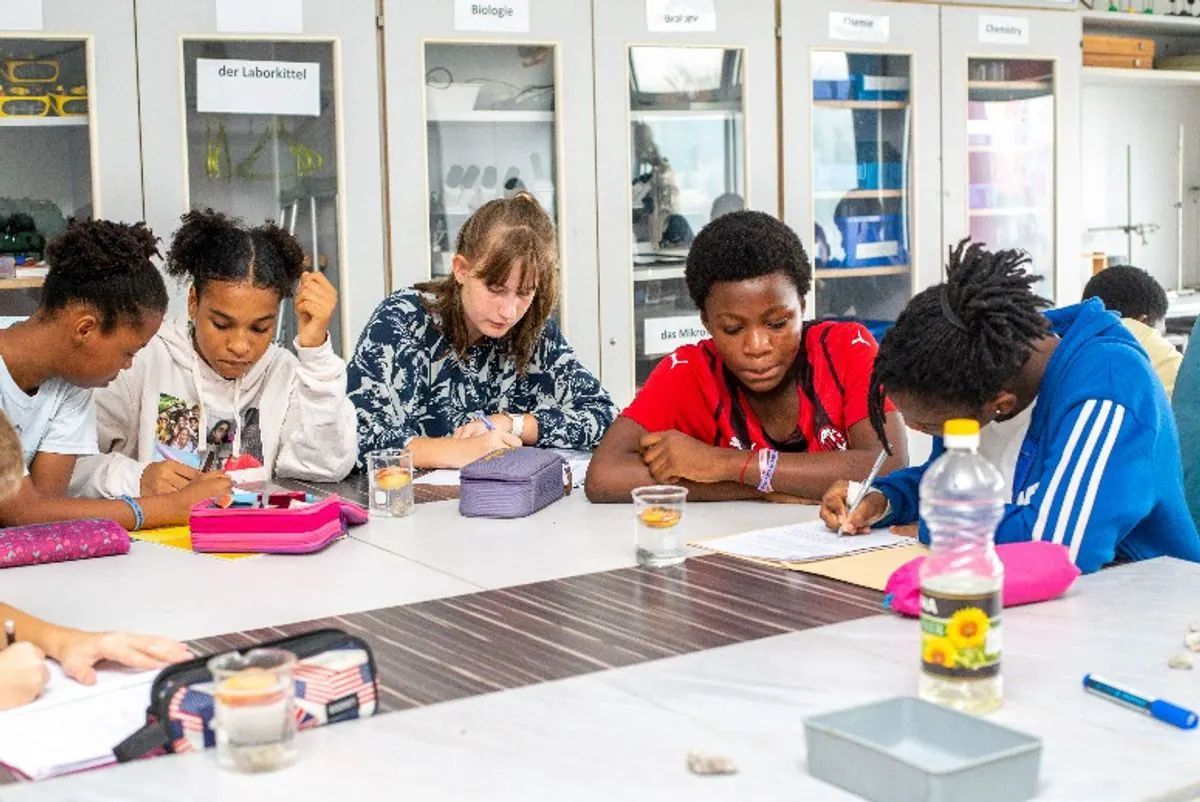
On October 5, 2026, German Unity Day, the partnership between Ghana and Germany is being celebrated as a prime example of collaborative progress. The two nations are working together to build stronger, more competitive, and sustainable businesses. Ghana's aspirations to expand its industrial base are being met with Germany's expertise in technology, innovation, engineering, and industrial development. This synergy is expected to yield mutually beneficial outcomes.
The collaboration between Ghana and Germany is not an isolated incident, but rather part of a larger trend of international cooperation. Other nations are also exploring similar partnerships to drive growth and development. For instance, Ghana and South Africa have been examining double taxation agreements and revenue peakage. These agreements aim to promote economic cooperation and prevent tax evasion.
Ghana's industrial ambitions are not limited to partnerships with foreign nations. The country is also focused on developing its internal infrastructure. The Ghana Police Service has recently rescheduled the full implementation of the TRAFFITECH-GH automated enforcement regime under the Road Traffic Regulations, 2026 (L.I. 2519) from October 1 to November 1, 2026. This decision is seen as a pragmatic policy adjustment.
Across Africa, governments are publishing ambitious climate strategies and strengthening Nationally Determined Contributions (NDCs). These efforts aim to address the pressing issue of climate change. However, there is a growing recognition that Africa faces a significant project preparation gap. Closing this gap will be crucial to achieving the continent's development goals.
The importance of dignity and respect for workers is also being highlighted. In many Ghanaian communities, sanitation is often noticed only when it fails. Sanitation workers deserve better working conditions and recognition for their contributions. This issue is part of a broader conversation about labor rights and social justice.
The Economic Community of West African States (ECOWAS) has been working towards monetary integration for over four decades. The goal is to establish a common currency, but progress has been slow. Despite the challenges, the bloc remains committed to achieving this objective. A common currency could facilitate trade and economic cooperation among member states.
Trade finance is also playing a critical role in stabilizing foreign exchange markets. The International Trade and Foreign Exchange Architecture is being reorganized to address the challenges of trade finance. This reorganization aims to promote economic stability and facilitate international trade.
Key points
- Ghana and Germany are collaborating to build stronger, more competitive, and sustainable businesses.
- The partnership combines Ghana's industrial ambitions with Germany's expertise in technology, innovation, engineering, and industrial development.
- The collaboration is part of a larger trend of international cooperation aimed at driving growth and development.
