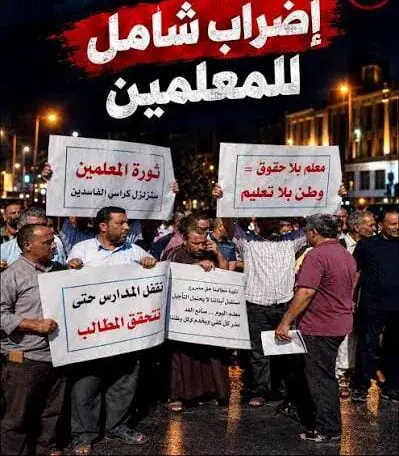
The ongoing teachers' strike in Libya has raised concerns about the future of the country's education system. The strike, which has resulted in the closure of schools, has left thousands of students without access to education. The teachers are demanding a fair salary scale and payment of their outstanding financial benefits. The strike has sparked fears that the academic year may be lost, which would have severe consequences for the country's education system and its students.
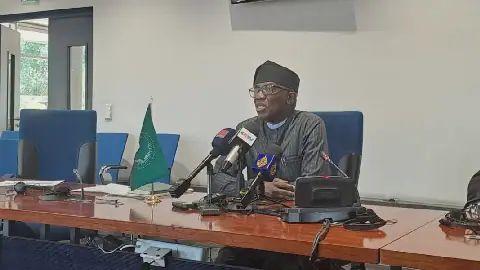
The strike is not limited to a specific region, but rather affects various parts of the country, including the eastern city of Tobruk, where the president of the local teachers' union, Salem Nasr, is based. Nasr stated that the crisis has become a national issue, with teachers from different regions demanding better working conditions and financial benefits. The union is pushing for a unified salary scale that reflects the teachers' qualifications and experience.
The Libyan government has been criticized for its handling of the crisis. The teachers' union has accused the government of not taking the necessary steps to address their demands. Nasr expressed disappointment with the government's response, stating that it has not provided a satisfactory solution to the crisis. The union is calling for a comprehensive solution that addresses the teachers' financial and professional concerns.
The strike has also sparked concerns about the impact on students and their families. Parents are worried that the prolonged strike will affect their children's education and future prospects. The students are also feeling the effects of the strike, as they are unable to attend school and continue their studies. The crisis has highlighted the need for a stable and functional education system in Libya.
The teachers' union has emphasized that it will continue with the strike until its demands are met. Nasr stated that the union is willing to negotiate with the government, but it will not back down until a fair solution is found. The union is pushing for a law that would provide a unified salary scale for teachers and address their outstanding financial benefits.
The international community has expressed concern about the crisis and its impact on Libya's education system. The country's education system has been severely affected by years of conflict and instability. The strike has highlighted the need for a stable and functional education system in Libya. The government has been urged to find a solution to the crisis and ensure that students can continue their education.
The crisis has also raised concerns about the future of Libya's education system. If the strike continues, it could lead to a lost generation of students, which would have severe consequences for the country's future. The government and the teachers' union must work together to find a solution to the crisis and ensure that students can continue their education.
Key points
- The teachers' strike in Libya has entered its several weeks, with no resolution in sight.
- The strike has affected thousands of students, who are unable to attend school and continue their studies.
- The teachers' union is demanding a fair salary scale and payment of outstanding financial benefits.