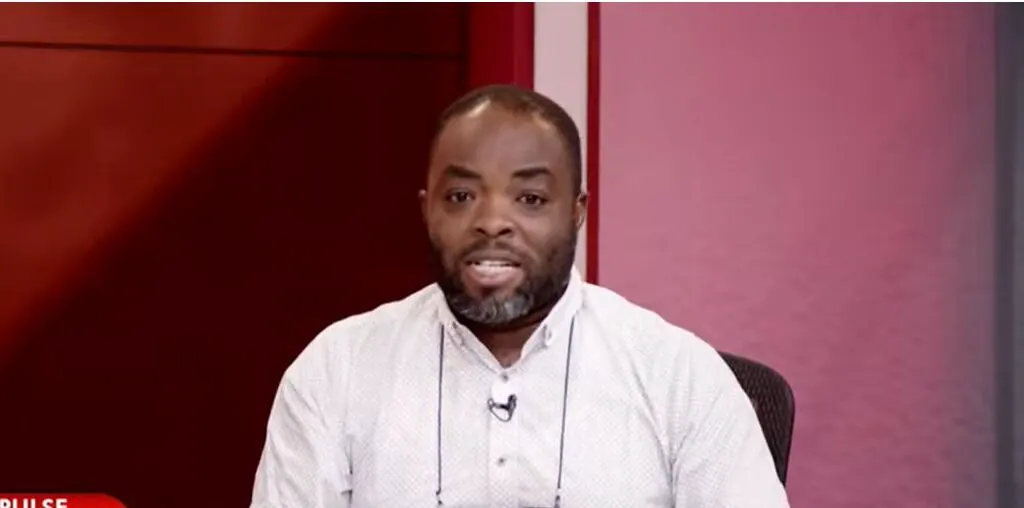
Education policy analyst and Executive Director of the Institute for Education Studies (IFEST), Dr. Peter Anti, has defended the decision by pre-tertiary teacher unions to maintain their nationwide strike. He argues that the government failed to act with urgency to address their concerns, despite being given sufficient notice. The collective agreement expired in June 2026, but the teacher unions had approached the Fair Wages and Salaries Commission (FWSC) in late 2025 to begin discussions on its renegotiation.
Dr. Anti stated that the delay in addressing the issues contributed to the current impasse. He noted that the processing of outstanding promotion claims demonstrates the effectiveness of the strike in compelling the government to act with urgency. Over 51,000 promotion claims have reportedly been validated from a backlog of over 80,000. However, validation does not amount to payment, and Dr. Anti warned that calling off the strike before the outstanding issues are resolved could result in further delays.
Dr. Anti urged the government to use the current negotiations to settle the outstanding issues and provide concrete responses to the unions. He emphasized that if the government wants teachers to return to the classroom, it must demonstrate sufficient progress on the concerns that triggered the strike. The talks between the teacher unions, the FWSC, and the Ghana Education Service (GES) ended on Tuesday, October 6, without an agreement, with the parties expected to reconvene on Wednesday, October 7.
According to Dr. Anti, previous experiences show that when teachers have suspended industrial action based on government assurances, some of the issues have remained unresolved. He warned that if the strike is called off, payments and negotiations will drag on for months, and the expected response may not be achieved. Dr. Anti added that the teachers will return to the classroom once they are satisfied with the government's response to their demands.
The Institute for Education Studies (IFEST) has backed the teachers' decision to maintain the strike, arguing that it is the only language the government understands. The Ghana National Association of Graduate Teachers (NAGRAT) has also called on the government to clarify the fate of 29,000 teachers awaiting promotion. The government has prioritized the creation of decent jobs, but the teacher unions remain committed to their demands.
The strike has entered its second week, with no immediate resolution in sight. The government has launched new legal frameworks on social protection and gender equity, but the teacher unions are focused on resolving their outstanding issues. The Central Regional GNAT Chairman has called for a 13th-month salary for teachers, while the CPP's Kwame Nkrumah Botsio has advocated for a legally binding MOU to end the teacher strike.
As the negotiations continue, the Deputy Education Minister has appealed to the striking teachers to return to the classrooms. However, Dr. Anti remains adamant that the government must demonstrate sufficient progress on the concerns that triggered the strike. The outcome of the negotiations will determine when the teachers will return to the classroom.
Key points
- The government failed to act with urgency to address the teacher unions' concerns.
- The strike has resulted in the validation of over 51,000 promotion claims from a backlog of over 80,000.
- The teacher unions will return to the classroom once they are satisfied with the government's response to their demands.