The ongoing nationwide strike by pre-tertiary teacher unions in Ghana has paralyzed academic activities across the country, leaving students and local food vendors facing severe financial losses. The strike, which has entered its fourth day, has forced some students to resort to self-study, while food vendors and other informal traders around schools are counting their losses. In the Ashanti Region, the situation is dire, with students and vendors appealing for a swift return to the classroom.
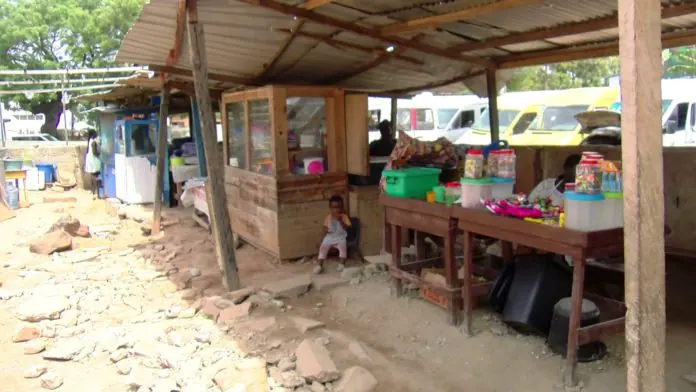
In Kumasi, food vendors are lamenting about the sharp slump in sales, with some perishable stock spoiling quickly. Yaa Pomah, a food vendor at the Anglican Secondary School area, counted her losses as freshly prepared meals remained unsold. She had come out early, hoping to clear her stock, but with no students around, the food was going to waste. Similarly, Maame Esi, a roasted plantain vendor near Kumasi Girls' Senior High School, complained about the mounting debts and lack of daily income to support her family.
First-year students at Ejisu Senior High School are growing increasingly anxious, appealing directly to their teachers to end the strike. They fear that the prolonged disruption would affect their orientation and academic progress. Unlike salaried employees, informal traders operating around school gates cannot recover lost daily revenue. As union executives and government representatives continue negotiations, the vendors and students are calling for an immediate compromise to restore normal academic activities in schools.
In Accra, the strike has also affected academic activities at the Apenkwa Presby School. Some Junior High School (JHS) Three students said they had resorted to self-study and peer-led lessons to keep up with their academic work. It was observed that students were present in their classrooms despite the absence of regular teaching and learning activities. Some students were seen studying among themselves as they sought to minimize the impact of the strike on their academic preparation.
The students at Apenkwa Presby School said the strike was affecting their studies, particularly as they approached an important stage of their education. However, they said they were doing their best to continue learning on their own. According to the students, those who were knowledgeable in particular subjects had taken up the responsibility of leading their colleagues in study sessions. This peer-learning approach was helping them remain academically engaged despite the absence of regular classroom teaching.
The students noted that while the peer-learning approach was helpful, it could not fully replace the guidance and instruction provided by their teachers. At the time of the visit, the headmistress and one other teacher were on campus, while the students remained in their classrooms. The situation highlights the challenges faced by students and vendors during the ongoing strike, with many calling for a swift resolution to the impasse.
As the strike continues, students and vendors are urging the teacher unions and government to find a solution to the impasse. The disruption to academic activities is having a ripple effect on the economy, with informal traders and vendors bearing the brunt of the strike. With no end in sight, students and vendors can only hope that a compromise is reached soon to restore normalcy to the education sector.
Key points
- The nationwide strike by pre-tertiary teacher unions in Ghana has disrupted academic activities and affected food vendors and informal traders around schools.
- Students are resorting to self-study and peer-led lessons to keep up with their academic work during the strike.
- The strike has had a significant impact on the economy, with informal traders and vendors facing severe financial losses.