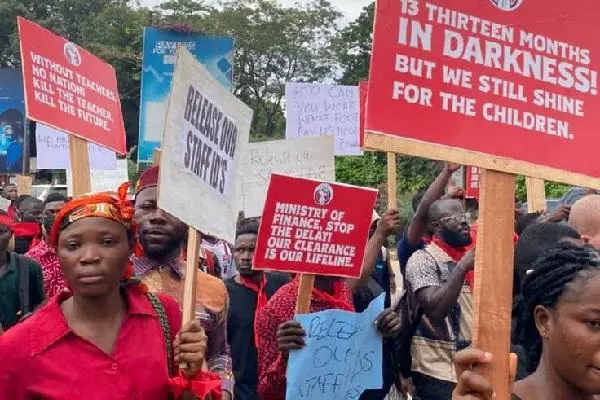
Ghana's three major pre-tertiary teacher unions, including the Ghana National Association of Teachers, the National Association of Graduate Teachers, and the Pre Tertiary Teachers Association of Ghana, have rejected Education Minister Haruna Iddrisu's appeal for them to return to the classroom. The unions insist that their nationwide industrial action will continue until the government demonstrates tangible progress on their outstanding demands. The strike, which began on September 25, has disrupted teaching and learning in public pre-tertiary schools across the country.
The unions maintained their position after meeting with the Education Minister and other government officials on September 28. They argued that the discussions did not produce sufficiently new commitments to persuade them to suspend the strike. Many of the assurances presented during the engagement were similar to promises they had received during earlier negotiations. The unions emphasized that verbal assurances were no longer enough and that teachers wanted evidence that government commitments were being implemented.
The unions have placed particular emphasis on the government's commitment to introduce the 20 percent Deprived Area Allowance from January 2027. They questioned what documentary evidence existed to demonstrate that the implementation process had formally commenced. The unions require a written timetable and verifiable evidence showing how and when the commitment will be fulfilled. They also want the automatic placement of teachers who successfully passed promotion examinations onto their appropriate salary scales, together with the payment of arrears.
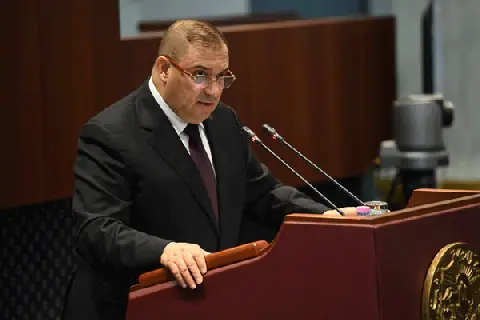
Education Minister Haruna Iddrisu said the government remained committed to resolving the issues and urged the unions to suspend the strike while negotiations continued. The government has proposed fresh negotiations on the expired Collective Agreement, a validation exercise for the Deprived Area Allowance, and further processing of data concerning teachers who successfully completed promotion examinations. The Fair Wages and Salaries Commission is expected to continue discussions with the unions on the Collective Agreement.
The Collective Agreement remains one of the central points of contention, having expired in June 2026. Negotiations for a replacement agreement have not yet been concluded. The unions are demanding a clear timetable for completing the negotiations rather than another open-ended process. They also want the payment of outstanding salaries and arrears reflected on their payslips and subsequently credited to their bank accounts.
The government has indicated that steps are being taken to address promotion-related concerns. The Education Minister said the September payroll had already been processed, and the Controller and Accountant General's Department would work on the relevant adjustments for October, with supplementary payments to be made where necessary. Government officials have also indicated that additional data from the Ghana Education Service is required before the Controller and Accountant General's Department can complete the processing of outstanding promotion arrears.
The disagreement has placed the government and the teacher unions at a critical point, with both sides acknowledging the need for negotiations but differing over what should happen before teachers resume work. The Education Minister appealed to the unions to consider the effect of the strike on pupils and students, particularly because the country has only recently returned to the September to July academic cycle following previous disruptions. The strike brings together several institutions and stakeholders, including the Ministry of Education, the Ghana Education Service, and the Fair Wages and Salaries Commission.
Key points
- The teacher unions in Ghana are demanding tangible progress on their outstanding demands, including the implementation of the 20 percent Deprived Area Allowance and the payment of outstanding salaries and arrears.
- The government has proposed fresh negotiations on the expired Collective Agreement and a validation exercise for the Deprived Area Allowance.
- The strike has disrupted teaching and learning in public pre-tertiary schools across the country, with the Education Minister appealing to the unions to consider the effect on pupils and students.