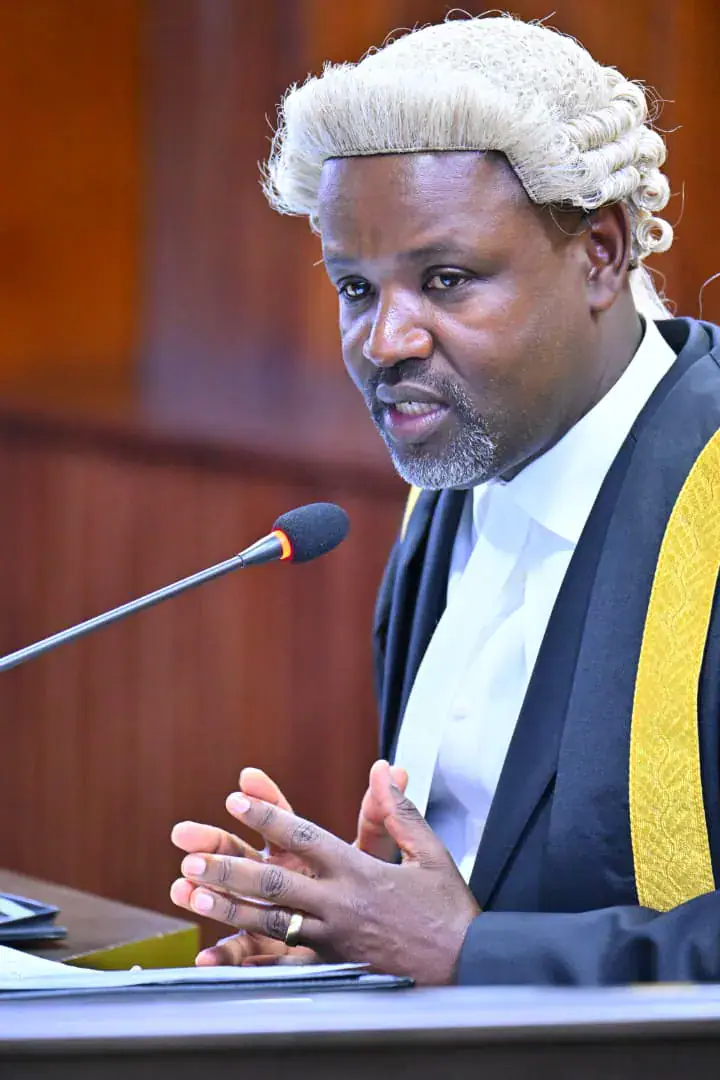
Deputy Speaker of Parliament Thomas Tayebwa has urged Members of Parliament to become ambassadors for cancer screening and early detection in their constituencies. He made the call during a plenary sitting, as Breast Cancer Awareness Month comes to an end. Tayebwa challenged MPs to use their regular engagements with constituents to promote cancer screening, arguing that early detection can improve access to timely treatment and outcomes for patients.
Tayebwa encouraged legislators to make cancer awareness part of their community engagements and to mobilise people to take advantage of available screening services. He also called on MPs to sensitise communities about healthy lifestyle choices and the need to avoid behaviours associated with an increased risk of cancer, such as smoking and drinking alcohol. This call comes amid concerns over Uganda's rising cancer burden and the challenges many patients face in accessing early diagnosis and treatment.
The Ministry of Health estimates that Uganda records about 36,000 new cancer cases every year, highlighting the importance of prevention, routine screening and early treatment. Health authorities have also identified late presentation as a major challenge in cancer management. Government health documents have previously linked the high mortality associated with cancer to limited access to early diagnosis and treatment, as well as gaps in cancer care infrastructure.
MPs have raised concerns over access to cancer screening and treatment services. Bukooli County Central MP Solomon Silwany called on the government to provide an update on plans to extend cancer screening and treatment services beyond regional cancer centres to district hospitals. Silwany said many Ugandans continue to face difficulties because they have to travel long distances to access specialised cancer services.
Former Minister of Health and Government Chief Whip Jane Ruth Aceng acknowledged the challenges faced by cancer patients, particularly those who have to travel considerable distances to access specialised services. Aceng said the Uganda Cancer Institute conducts community outreach programmes aimed at bringing screening services closer to the population. She further said the government plans to establish cancer units or institutes across all 18 regions of the country.
According to Aceng, work is already underway in several regions, including Acholi sub-region, Mbale sub-region, Ankole sub-region in Mbarara and one in West Nile sub-region. She explained that establishing and equipping cancer facilities requires significant financial resources and would require continued collaboration between the Executive and Parliament. Aceng expressed confidence that the government's commitment to expanding cancer services across the country would eventually ensure wider geographical coverage.
Tayebwa's call places cancer prevention and early detection alongside the broader need to strengthen Uganda's health system, particularly at lower-level facilities where many communities first seek care. As Uganda works to expand specialised cancer services beyond Kampala, the debate in Parliament has highlighted the need for both infrastructure and community-level awareness to ensure that cancer prevention, screening, diagnosis and treatment are accessible to more Ugandans.
Key points
- Deputy Speaker Thomas Tayebwa urges Ugandan MPs to promote cancer screening and early detection in their constituencies.
- The Ministry of Health estimates that Uganda records about 36,000 new cancer cases every year.
- The government plans to establish cancer units or institutes across all 18 regions of the country.