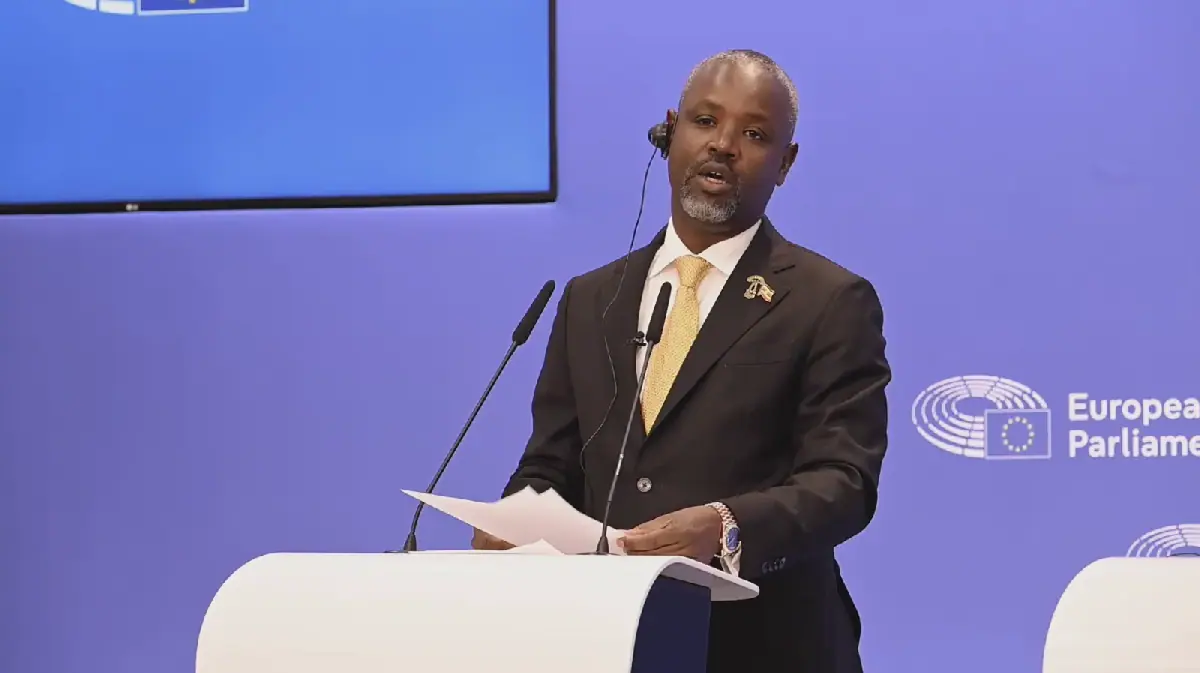
Deputy Speaker of Parliament Thomas Tayebwa has emphasized the need for a more inclusive partnership between the Organisation of African, Caribbean and Pacific States (OACPS) and the European Union (EU). As President of the OACPS and Co-President of the OACPS-EU Joint Parliamentary Assembly, Tayebwa stressed that development discussions should prioritize young people and marginalized groups. He made these remarks during a press conference in Brussels.
Tayebwa's call for greater youth inclusion comes as the OACPS-EU partnership seeks to address broader issues shaping the future of member countries. He urged the partnership to create more opportunities for young people to engage in decision-making processes. This, he believes, will ensure that their voices are heard and their needs are addressed. The Deputy Speaker's comments highlight the importance of youth participation in shaping the future of OACPS member states.
The OACPS-EU partnership is a critical platform for cooperation between African, Caribbean, and Pacific countries and the European Union. As Co-President of the OACPS-EU Joint Parliamentary Assembly, Tayebwa plays a key role in promoting dialogue and cooperation between the two blocs. His emphasis on youth inclusion is expected to resonate with OACPS and EU officials as they negotiate the terms of their partnership.
Tayebwa's comments have significant implications for Uganda, a member of the OACPS. As Deputy Speaker of Parliament, he is well-positioned to influence Uganda's engagement with the OACPS-EU partnership. His call for greater youth inclusion is likely to inform Uganda's negotiating position and ensure that the country's youth are actively engaged in development discussions.
The OACPS-EU partnership has the potential to drive economic growth, promote sustainable development, and address global challenges. However, its success depends on the active participation of all stakeholders, including young people and marginalized communities. Tayebwa's comments serve as a reminder that the partnership must be inclusive and responsive to the needs of all its members.
As the OACPS-EU partnership continues to evolve, Tayebwa's emphasis on youth inclusion is likely to remain a key theme. His comments have sparked a necessary conversation about the role of young people in shaping the future of OACPS member states. It remains to be seen how OACPS and EU officials will respond to Tayebwa's call for greater youth inclusion.
The Deputy Speaker's advocacy for youth inclusion is part of a broader effort to promote sustainable development and social justice. His work with the OACPS-EU partnership reflects his commitment to creating opportunities for young people and marginalized communities. As the partnership moves forward, Tayebwa's voice is likely to remain a powerful advocate for greater youth inclusion.
Key points
- Tayebwa calls for greater youth inclusion in OACPS-EU partnership to address broader issues shaping the future of member countries.