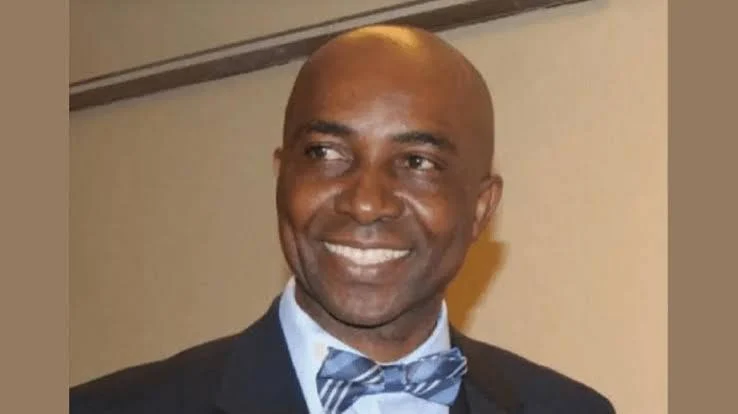
The Chief Executive of Nigeria's Office of the Tax Ombud, Dr. John Nwabueze, has cautioned taxpayers against misusing the agency to evade or delay legitimate tax payments. The Office of the Tax Ombud was established to provide an independent avenue for taxpayers to address administrative, procedural, and service-related issues in tax and revenue administration. Nwabueze made these remarks at a stakeholders' engagement meeting in Kaduna. The meeting aimed to foster collaboration between tax authorities, business groups, and professional bodies.
The Office of the Tax Ombud was established under the Federal Tax Ombud Act to receive and review complaints related to taxes, levies, regulatory fees, and charges. Nwabueze emphasized that the agency does not make tax policy, encourage non-compliance, or shield taxpayers from lawful obligations. Instead, it focuses on operational, procedural, and administrative aspects of tax and revenue administration. The agency ensures that taxpayers' rights are protected and that tax administration processes are fair, transparent, and consistent.
Nwabueze highlighted that taxpayers must comply with internal dispute-resolution procedures before approaching the Tax Ombud. The agency intervenes in cases involving operational, procedural, or administrative issues that require independent attention. He encouraged taxpayers to pay their lawful taxes, be aware of their rights, and seek redress when necessary. The Tax Ombud's services are free of charge to taxpayers, and the agency can also institute lawsuits on behalf of taxpayers.
To improve accessibility, the Tax Ombud has introduced a digital complaint portal, case management system, and toll-free call centre. These channels enable taxpayers to lodge complaints easily. Nwabueze emphasized that the agency's goal is to move beyond identifying challenges in tax administration to developing practical solutions that improve relations between taxpayers and revenue authorities.
The stakeholders' engagement meeting aimed to address the responsibilities of taxpayers and revenue authorities. Nwabueze called for greater collaboration among professional bodies, the media, and civil society organizations to promote taxpayer awareness and compliance. He also urged stakeholders to consider how to ensure effective access to information and redress for rural taxpayers, small businesses, and people with disabilities.
Kaduna State Commissioner for Finance, Mohammed Ibrahim Tanko, reported that the North-West region generated ₦916 billion in tax revenue between 2023 and 2025. Kaduna State contributed ₦220 billion to this total. Tanko attributed the state's revenue performance to stakeholder engagement and voluntary compliance rather than aggressive enforcement.
Tanko appealed to the Tax Ombud to establish a zonal office in Kaduna, citing the potential to enhance access to the agency for taxpayers and revenue authorities in the North-West. The meeting demonstrated the importance of collaboration between tax authorities and stakeholders in promoting effective tax administration and taxpayer compliance.
Key points
- The Tax Ombud's services are free of charge to taxpayers.
- Taxpayers must comply with internal dispute-resolution procedures before approaching the Tax Ombud.
- The agency can institute lawsuits on behalf of taxpayers.