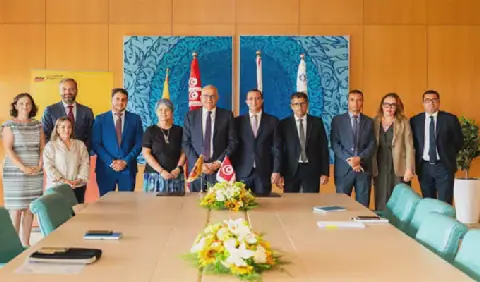
Tax leaders from across West Africa are meeting in Accra to examine how stronger domestic revenue systems can support public services while responding to changing business activity. The Ghana Revenue Authority is hosting the West African Tax Administration Forum’s engagements from September 15 to 19, according to reporting by The Analyst. The programme brings institutional oversight, policy discussions and the forum’s anniversary into the same week, with practical reforms at the centre of the agenda.
The meetings coincide with 15 years of WATAF cooperation. Around 300 delegates were expected at the wider gathering, including heads of national tax administrations, policymakers, academics, development partners and private-sector representatives. Regional and international tax experts were also expected to take part. That range of participants gives the discussions a broader scope than internal administration: the programme connects the operation of revenue agencies with the resources governments need for development.
From regional discussion to national practice
WATAF’s 23rd Council Meeting opened the engagements ahead of the eighth High-Level Policy Dialogue and the 23rd General Assembly. Council chairperson Talato Eliane Djiguemdé-Ouédraogo, who leads Burkina Faso’s revenue authority, placed the emphasis on strategic direction for tax administrations. The discussions are intended to examine barriers to domestic revenue mobilisation and identify approaches that administrations can use as the tax environment changes. They also consider how the regional forum can support that work.
The council brings together the heads of six member tax administrations. Its responsibilities include reviewing programmes, considering plans and budgets, and guiding the secretariat. Executive Secretary Jules Tapsoba described governance and institutional questions as important parts of the meeting. Its membership includes revenue administration leaders from Burkina Faso, Guinea-Bissau, Nigeria, Guinea, Gambia and Senegal, while Tapsoba serves as secretary alongside his executive responsibilities. The council also connects decisions made by the General Assembly with implementation, making its deliberations relevant to how the forum organises and follows through on its regional activities.
The policy agenda extends from taxpayer compliance to digital transformation and environmental fiscal policy. Participants are also examining innovation, partnerships, inclusive tax systems and developments in international tax rules. The stated aim is to move beyond repeatedly identifying problems and towards options that national administrations can adapt. Those options must take account of differences in the legal, economic and administrative circumstances of the countries expected to implement them.
Revenue collection and public trust
Development financing provides the wider setting for those discussions. The reporting identifies infrastructure, education, healthcare and social protection among the priorities driving demand for more sustainable domestic resources. At the same time, governments face the task of updating tax systems as business models and economic activity change. Digital transactions and activity that crosses national boundaries are among the developments that make information-sharing and technical cooperation relevant to the regional agenda.
The Accra discussions also address the balance between collecting revenue and treating taxpayers fairly. The source report links confidence in taxation with transparent administration, consistent enforcement and better services. It highlights pressure to avoid unfair burdens on people who already comply and on economically vulnerable groups. In that framing, stronger administration is not measured solely by collection: the way revenue agencies deal with citizens is part of the policy challenge.
Training record under examination
Capacity-building is another part of the anniversary review. WATAF reports training more than 5,000 tax officials and senior executives since its establishment in 2011. Between 2024 and mid-2026, it delivered 26 regional training programmes involving more than 2,365 officials. Knowledge-sharing and peer-learning activities accompanied those programmes. The anniversary offers members an opportunity to examine that institutional experience alongside the demands now facing national tax systems.
The next question for the forum is how training and cooperation translate into improvements in practice. The Accra agenda brings that question together with taxpayer services, institutional capacity and the use of technology. The meetings are intended to guide future work and develop approaches that individual administrations can apply. The available report describes those objectives and the ongoing deliberations; it does not establish that new national tax measures have already been adopted as a result.