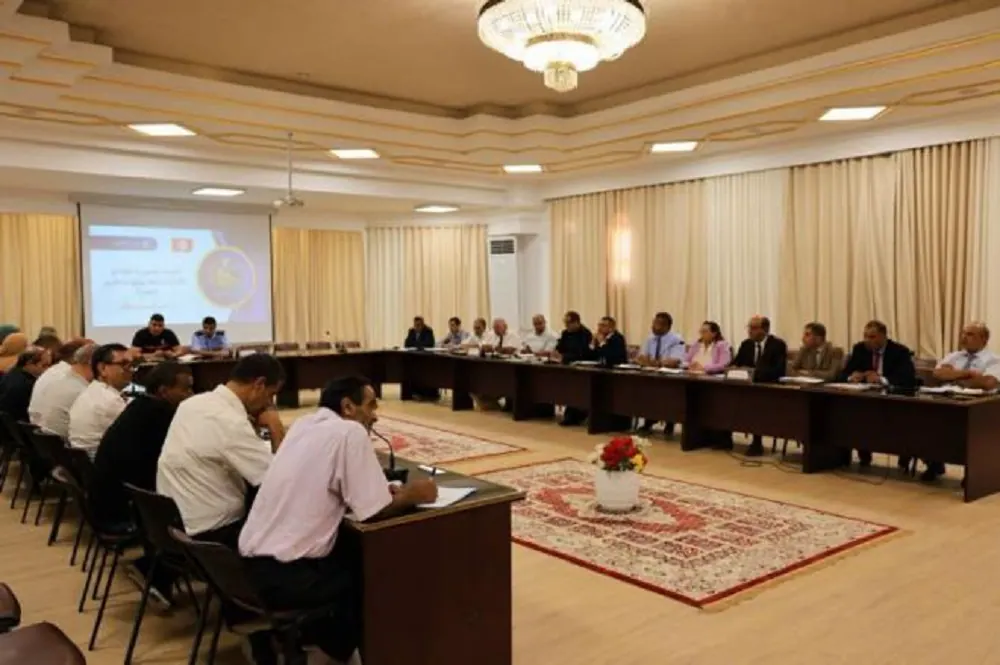
The regional commission for disaster prevention and management in Tataouine, Tunisia, convened at the governorate's headquarters to assess preparedness for autumn and winter climate risks. The meeting, led by Governor Amir Gabsi, focused on evaluating the region's infrastructure and emergency response systems. The commission reviewed the maintenance of evacuation infrastructure, including drainage systems, sewage networks, and pumping stations.
Governor Gabsi emphasized the importance of inspecting buildings at risk of collapse, fragile walls, and public building roofs. The commission also recommended verifying the availability and functionality of emergency equipment, such as pumps, engines, and generators. Additionally, the meeting stressed the need to ensure that emergency shelters are ready and that strategic stockpiles are in place.
To enhance public awareness, the commission plans to launch campaigns warning drivers about the dangers of crossing flooded areas and the importance of adhering to speed limits. The campaigns aim to reduce the risk of accidents and ensure a swift response to emergencies. Furthermore, the commission recommended updating risk maps, identifying high-risk areas, and conducting simulation exercises.
The meeting also addressed social and logistical aspects, including coordination with local associations and civil society to facilitate efficient aid distribution. The commission highlighted the importance of maintaining energy continuity, particularly in hospitals and pumping stations, by having backup generators in place.
In the agricultural sector, farmers are advised to take preventive measures, such as digging drainage ditches to prevent erosion and water accumulation, and adopting suitable farming practices to minimize soil erosion. The commission also urged farmers to secure their livestock by preparing evacuation plans and taking necessary precautions to protect poultry.
The regional authorities are working to activate the emergency plan, which includes measures to mitigate the impact of potential natural disasters. By taking proactive steps, the Tataouine region aims to minimize the risks associated with the upcoming autumn and winter seasons. The efforts focus on protecting infrastructure, ensuring public safety, and supporting local communities.
The commission's recommendations will be implemented in the coming weeks to ensure the region's preparedness for climate-related risks. The measures are designed to enhance the region's resilience and response to emergencies, ultimately reducing the potential impact on local populations and infrastructure.
Key points
- The Tataouine region in Tunisia has activated its risk prevention plan to mitigate the impact of autumn and winter climate risks.
- The plan includes measures to maintain infrastructure, inspect high-risk buildings, and ensure emergency equipment and shelters are in place.
- The regional authorities are working to enhance public awareness, support local communities, and protect the agricultural sector.