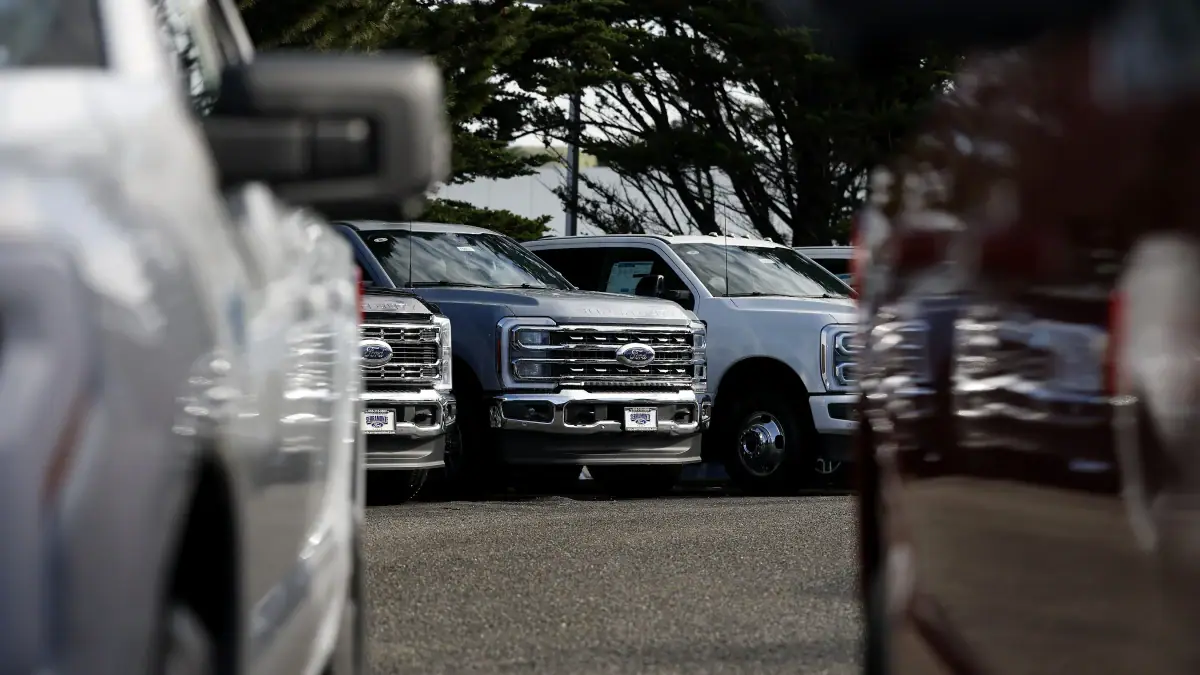
American automakers, including General Motors, Ford, and Stellantis, have reported increased revenues for the third quarter, driven by strong sales of big cars and light-duty trucks. General Motors' sales of light-duty trucks rose 9% in the past year, while Ford's F-Series trucks continue to be a bestseller. Stellantis' pickup sales in the U.S. rose 34%. The average new vehicle transaction price was just over $50,000 in September, close to a record high.
Despite concerns about affordability, customers are paying more for high-end trims and bigger vehicles, which tend to be more profitable for the auto companies. Sherry Ann House, Ford's chief financial officer, stated that customers have been resilient amid higher fuel prices, interest rates, and inflation. However, the Detroit Three automakers are cautioning investors that it's getting more expensive to make cars due to rising costs of key materials like steel, copper, and computer chips.
The Trump administration's tariffs on imported materials like steel, aluminum, and copper, imposed since 2025, have contributed to the increased costs. Copper, critical for a car's wiring and electric vehicle batteries, has grown more expensive due to tariffs and global demand. Computer memory chips, used in a car's electronics, are also more expensive due to a tight supply chain and demand from various industries.
Logistics costs, including diesel prices, have also increased. The average price for a gallon of diesel has been hovering around $6.35, close to its September all-time high. High diesel prices impact the auto supply chain, particularly in the U.S. and Canada, where parts often cross the border multiple times. General Motors forecast that the cost of materials, including computer chips and diesel, would run the company as much as $2 billion this year.
Ford's CEO, Jim Farley, noted that commodities, memory, and logistics costs would represent a year-over-year headwind of about $2 billion at Ford. Stellantis executives plan to provide more information about these costs in the fourth quarter. The disruptions in the industry, caused by tariffs and other factors, are challenging for an industry that is not built for high-speed changes.
The electric vehicle market has been impacted by the demise of the $7,500 federal tax credit, which incentivized car buyers to purchase electric vehicles. Data from car analytics platforms shows that EV sales dropped nationally after the credit ended. Tesla reported a decline in global sales during the quarter, and General Motors' third-quarter sales were down 6% overall compared to the previous year.
Despite the challenges, there are bright spots for automakers in the EV market. EV sales have leveled out, making up about 6% of new car sales in the U.S. as of September. American shoppers have also shown increased interest in hybrids, with sales up 27% in the past year. Automakers are adjusting their product plans to meet the growing demand for hybrids and electric vehicles.
Key points
- Tariffs, diesel, and computer chips are driving up costs for automakers, impacting their profits despite increased sales.
- The electric vehicle market has been impacted by the demise of the federal tax credit, but EV sales have leveled out and interest in hybrids is growing.
- Automakers are working to offset rising costs through growth in other parts of their business, software services, and parts.