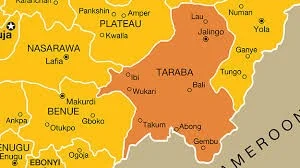
The Livestock Productivity and Resilience Support Project in Taraba State has launched an initiative to prevent conflicts between livestock farmers and host communities by promoting dialogue and Alternative Dispute Resolution. This effort aims to address disputes over land and water, livestock movement, and crop destruction. A five-day ADR training was recently organized in Jalingo for stakeholders, including livestock farmers, host communities, traditional leaders, and community leaders.
The training focused on peaceful, community-based approaches to resolving disputes before they escalate into violent conflicts. Hananiah Albert, the L-PRES State Project Coordinator, emphasized that peace and stability are crucial for the growth and sustainability of livestock production in the state. He noted that livestock farming is a significant source of livelihood for many residents and encouraged dispute resolution through dialogue rather than confrontation.
Albert highlighted that ADR provides disputing parties with an opportunity to address their concerns and reach mutually acceptable solutions. He also urged stakeholders to utilize existing community leadership structures to prevent minor disagreements from developing into serious conflicts. Ezra Atimas, the project’s ICT and Communication Officer, represented Albert during the training.
Dr. Danjuma Yusuf, a resource person and Dean of the Faculty of Social Sciences at Taraba State University, advised stakeholders to involve traditional rulers, religious leaders, women’s groups, and livestock associations in conflict resolution. He stressed that their participation can promote dialogue, build trust, and preserve relationships between farmers and host communities.
Yusuf emphasized that ADR should not be limited to situations where conflicts have already erupted but should also be used as a preventive mechanism for identifying and addressing grievances before they become violent. The training aims to strengthen the capacity of livestock farmers and host communities to peacefully manage disputes.
The initiative is expected to promote improved community relations, security, and sustainable livestock development across Taraba State. By adopting ADR and promoting dialogue, stakeholders can address disputes in a peaceful and constructive manner. This approach can help to reduce conflicts and improve the overall well-being of livestock farmers and host communities.
The Livestock Productivity and Resilience Support Project’s efforts to prevent conflicts between livestock farmers and host communities in Taraba State are ongoing. The project’s goal is to create a more peaceful and sustainable environment for livestock production, which is a vital source of livelihood for many residents in the state.
Key points
- The Livestock Productivity and Resilience Support Project promotes dialogue and Alternative Dispute Resolution to prevent conflicts between livestock farmers and host communities in Taraba State.
- A five-day ADR training was organized in Jalingo for stakeholders to address disputes over land and water, livestock movement, and crop destruction.
- The initiative aims to promote improved community relations, security, and sustainable livestock development across Taraba State.