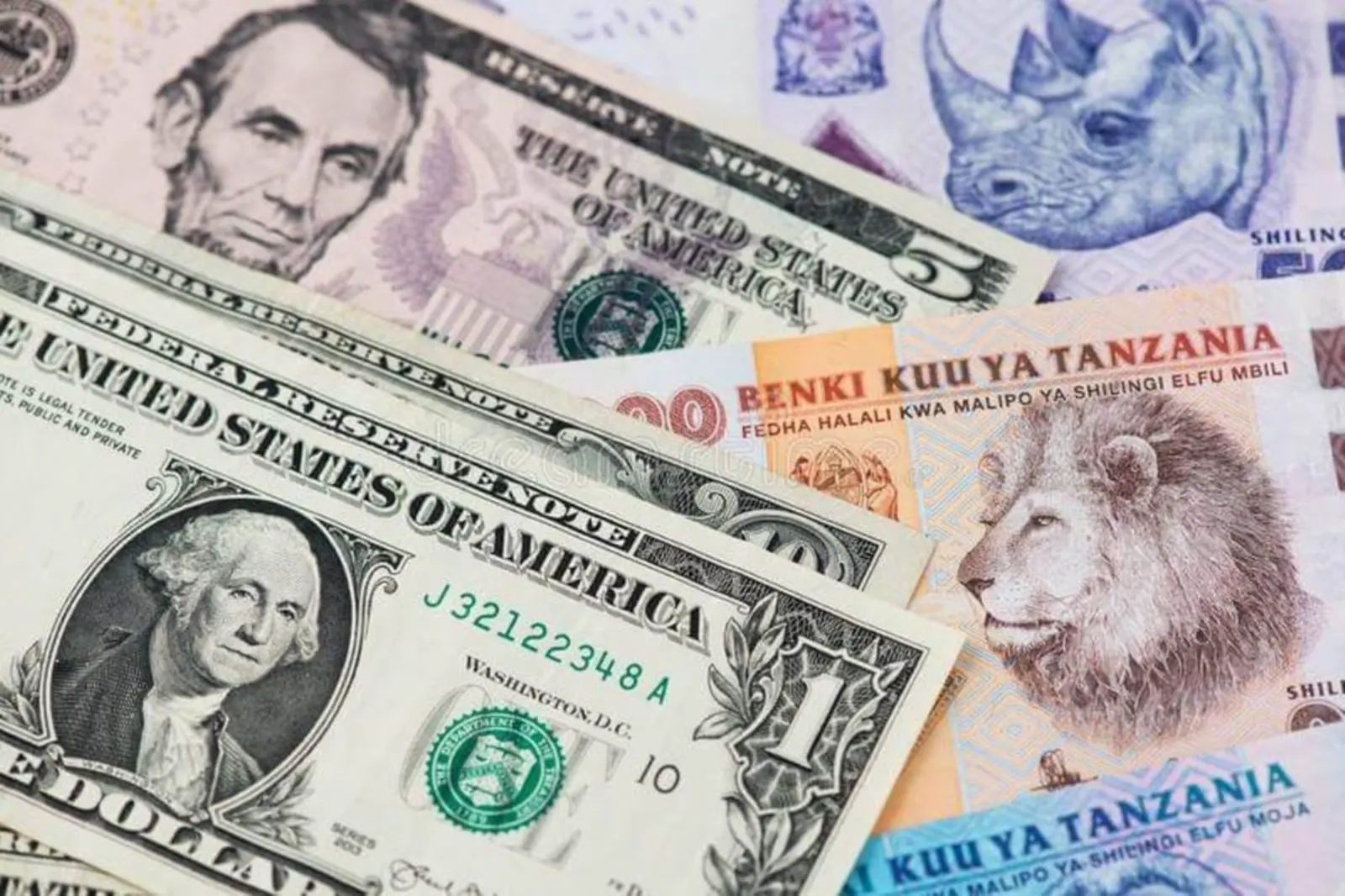
The Tanzanian shilling has shown resilience against the US dollar, maintaining a stable exchange rate. As of Sunday, the shilling traded at 2,654/- per dollar under the Bank of Tanzania's (BoT) reference rate. This stability is crucial for businesses involved in international trade, particularly importers whose costs are directly affected by exchange rate movements. A stable shilling can help reduce the costs of importing goods and services.
The Bank of Tanzania set its dollar buying rate at 2,628/-, while commercial banks quoted varying rates for the US currency. CRDB Bank bought the dollar at 2,600/- and sold it at 2,680/-, reflecting a difference of 80/- between the buying and selling rates. This difference, also known as the spread, can affect the cost of transactions for individuals and businesses. Customers selling one dollar to CRDB would receive 2,600/-, while those buying the currency would pay 2,680/-.
Other commercial banks, such as NMB Bank, quoted different rates for the US dollar. NMB Bank's buying rate was 2,595/-, while its selling rate was 2,675/-. The variation in exchange rates among commercial banks can be attributed to factors such as market demand, supply, and the banks' individual policies. The BoT's reference rate serves as a benchmark for commercial banks to determine their exchange rates.
The shilling's performance against other major currencies, such as the euro, is also significant. The BoT reference rate for the euro stood at 3,013/- for buying and 3,043/- for selling. CRDB Bank quoted the euro at 2,881/- for buying and 3,181/- for selling, while NMB Bank's rates were 2,859/- and 3,158/-, respectively. These rates can affect Tanzanian businesses engaged in trade with European countries.
Regional currencies, such as the Kenyan shilling and the Ugandan shilling, also showed varying exchange rates. The BoT reference rate placed the Kenyan shilling at about 20/- per shilling, while the Ugandan shilling was quoted at 0.66/- for buying and 0.67/- for selling. CRDB Bank and NMB Bank quoted different rates for these currencies, reflecting the complexities of foreign exchange markets.
Exchange-rate movements remain a crucial consideration for companies settling overseas payments. Fluctuations in the value of the shilling can influence the cost of imports and other international transactions. Businesses engaged in cross-border trade must carefully monitor exchange rates to minimize their costs and maximize their returns. The stability of the shilling can help reduce the risks associated with international trade.
The dollar remains particularly important for Tanzanian businesses due to its widespread use in international payments. The stability of the shilling against the dollar can have a significant impact on the country's trade balance and economic growth. As Tanzania continues to attract more investors, a stable exchange rate can help boost investor confidence and promote economic development.
Key points
- The Tanzanian shilling traded at 2,654/- per dollar under the Bank of Tanzania's reference rate on Sunday.
- Commercial banks quoted varying rates for the US dollar, with CRDB Bank buying at 2,600/- and selling at 2,680/-.
- The stability of the shilling is crucial for businesses involved in international trade, particularly importers whose costs are directly affected by exchange rate movements.