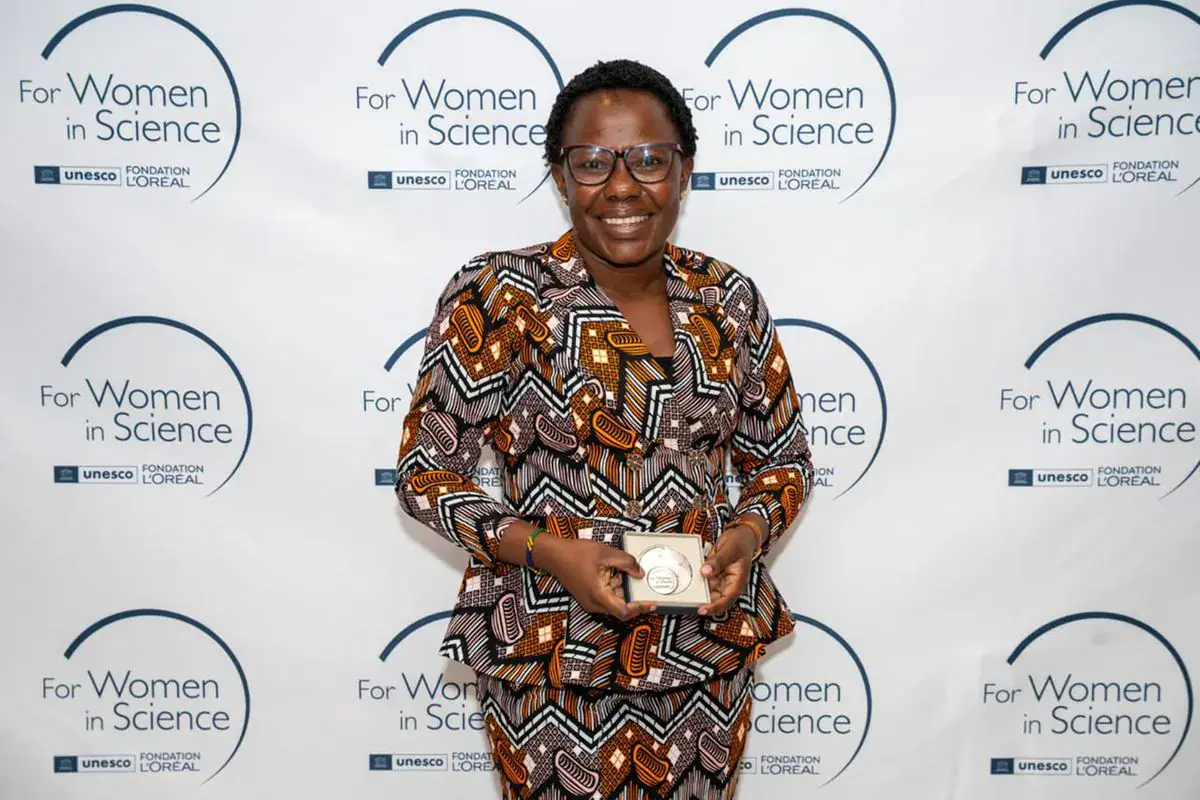
Tanzanian researcher Grantina Modern has been recognized under the 2026 L’Oréal-UNESCO For Women in Science Sub-Saharan Africa programme for her work on childhood stunting. As a PhD student at the University of Dar es Salaam, Modern is investigating how gut bacteria interact with nutrition, water, sanitation, and hygiene to influence children's growth. Her goal is to develop a practical tool for mothers to monitor their children's development at the household level. This recognition has given her a regional platform to advance research into one of Tanzania's persistent public health challenges.
Modern's research, titled “Transforming Gut Microbiome Evidence into a Community-Led Growth Monitoring Tool to Combat Child Stunting,” explores how microorganisms in children's digestive systems influence nutrient absorption and growth. The urgency of this research is reflected in Tanzania's nutrition statistics, with the 2022 Tanzania Demographic and Health Survey and Malaria Indicator Survey finding that 30 percent of children under five were stunted. Although this represents progress from 34 percent in 2015-16 and 50 percent in 1991-92, more than three million children remain affected nationally.
The regional picture is particularly concerning, with Iringa recording a stunting prevalence of 56.9 percent, followed by Njombe at 50.4 percent and Rukwa at 49.8 percent. Modern's research is initially focusing on Iringa, where high stunting levels persist despite the region's agricultural potential and ongoing nutrition interventions. She explained that two major factors contribute to stunting: nutrition and the environment, including the quality of water children drink, personal hygiene, and household waste management.
Modern's research examines links between water, sanitation, and hygiene practices, dietary patterns, and gut bacteria among children aged five to 23 months in Iringa. Using stool samples and household information, the study investigates whether differences in gut bacterial composition could help explain variations in children's growth. She also noted that repeated infections and antibiotic treatment could disrupt the balance of gut bacteria, highlighting the need for a comprehensive approach to addressing childhood stunting.
The proposed community-led tool will take the form of a book or guide through which mothers can record children's diets, meal preparation methods, and other indicators relevant to their growth. It will help caregivers assess feeding practices and identify potential problems early enough to seek professional advice. The resource will promote exclusive breastfeeding during the first six months, appropriate complementary feeding thereafter, dietary diversity, handwashing, and safe food preparation.
UNICEF data show that only 64 percent of Tanzanian infants are exclusively breastfed, while just 16.1 percent of children aged 6–23 months in Iringa receive a minimum acceptable diet. These gaps highlight the need to complement food production with practical knowledge about nutrition, hygiene, meal preparation, and nutrient absorption. Modern's work aims to address these gaps and provide mothers with the knowledge and tools they need to support their children's healthy growth.
Modern also highlighted the challenges women face in postgraduate studies, particularly balancing academic responsibilities with family and caregiving duties. She urged aspiring women scientists not to abandon their ambitions when initial funding applications failed, advising them to keep pushing for opportunities and to seek support when needed. Her recognition under the L’Oréal-UNESCO programme is a testament to her dedication and perseverance in the face of these challenges.
Key points
- Tanzanian researcher Grantina Modern aims to develop a practical tool for mothers to monitor their children's growth and combat childhood stunting.
- Modern's research explores the link between gut bacteria, nutrition, water, sanitation, and hygiene in influencing children's growth.
- The proposed community-led tool will promote exclusive breastfeeding, dietary diversity, handwashing, and safe food preparation to support healthy growth.