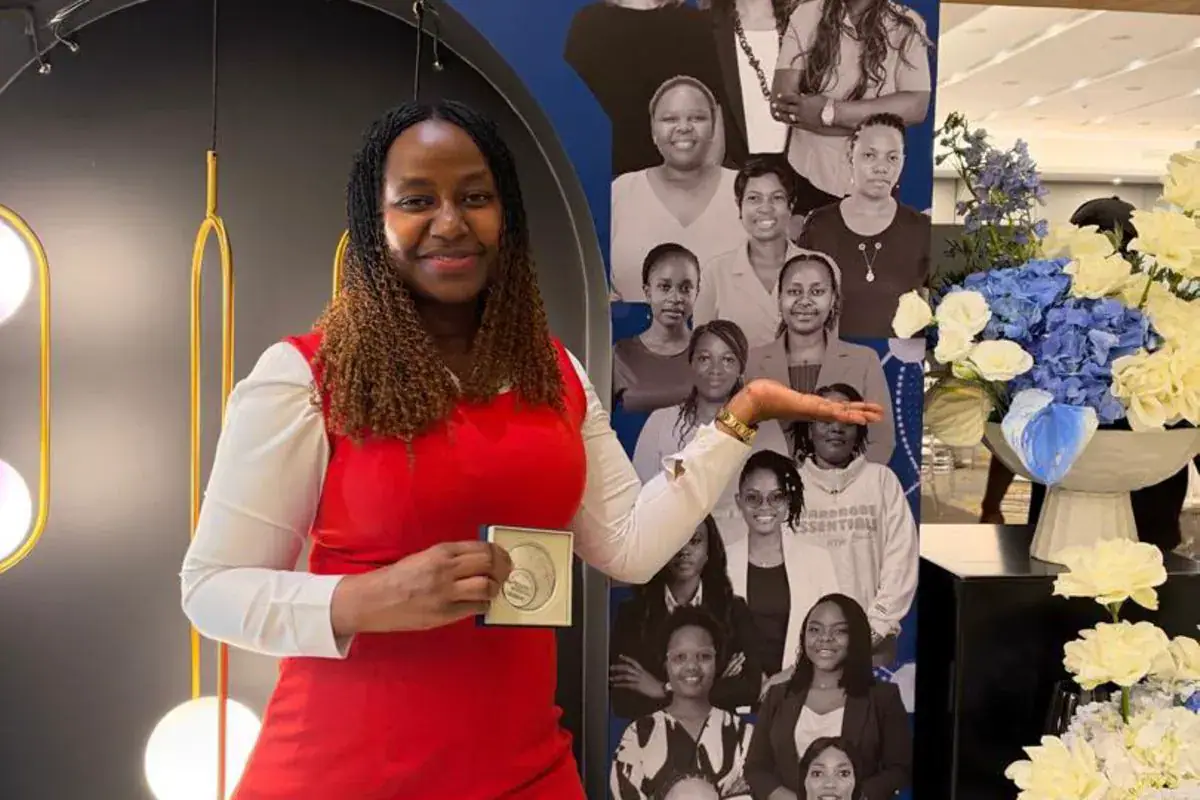
Tanzanian researcher Angel Meela has been recognized among 38 outstanding women scientists in sub-Saharan Africa for her work on an affordable technology-driven solution to improve learning experiences for children with autism. As a PhD candidate at the Nelson Mandela African Institution of Science and Technology, Meela is developing a mobile application that uses augmented reality to support children with autism in educational settings. Her innovation seeks to address gaps in assistive educational technologies, which have largely been developed in countries with better technological infrastructure.
Meela's mobile application aims to be affordable, operate without internet connectivity, and be usable without requiring the constant presence of a specialist. She notes that technology has rapidly developed over the past 20 years, but children with autism have been left behind. Augmented reality combines digital elements with the physical environment, creating interactive experiences that can support children's engagement and learning. According to the World Health Organisation, approximately one in every 127 people worldwide was autistic in 2021.
In Tanzania, the National Bureau of Statistics recorded 4,128 primary school pupils with autism in government and non-government schools on the Mainland, comprising 2,460 boys and 1,668 girls. However, these figures represent identified pupils enrolled in schools, rather than an estimate of the total number of children with autism in the country. A 2026 study published in Cogent Education highlighted the scarcity of reliable national prevalence data, but reported that recorded enrolment of children with autism in pre-primary and primary schools increased from 2,237 in 2021 to 4,538 in 2024.
Meela's research seeks to avoid a one-size-fits-all approach to learning, as autism is a spectrum and every child has a different experience. She conducted a review of existing mobile applications for children with autism and found that most originated from China, Taiwan, North and South America, and Europe, with only one application from Africa, specifically Egypt. Meela argues that some imported applications are difficult to use in Tanzania because they require reliable internet connectivity, electricity, or continuous supervision by specialists.
The proposed application will be developed through consultations with parents and professionals working with children with autism. Meela says the research team will involve stakeholders throughout development, gathering their feedback at every stage before conducting a final evaluation. This approach is important in Tanzania, where inclusive education continues to face challenges, including shortages of specialist teachers, appropriate learning materials, and support structures.
Meela's recognition by L'Oréal and UNESCO encourages her to continue contributing to science while inspiring other women. As an assistant lecturer at the Institute of Accountancy, Arusha, she says balancing doctoral studies, professional responsibilities, and motherhood has required determination. Meela is a mother of three and believes that determination is what has brought her this far. Her research comes amid growing global recognition of autism and the need to improve access to appropriate educational support.
Meela's work underlines the need for locally relevant innovations that can reach children beyond well-equipped schools and urban centers. She points to misconceptions associating autism with witchcraft and superstition in some African communities, arguing that technology must be accompanied by public awareness and a better understanding of children's individual needs. Meela's project aims to make a positive impact on the lives of children with autism in Tanzania and beyond.
Key points
- Tanzanian researcher Angel Meela develops affordable augmented reality technology to support children with autism in educational settings.
- Meela's mobile application aims to be affordable, operate without internet connectivity, and be usable without requiring the constant presence of a specialist.
- The proposed application will be developed through consultations with parents and professionals working with children with autism.