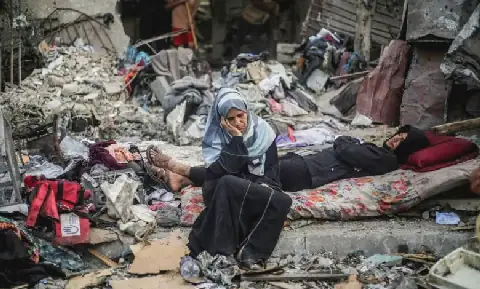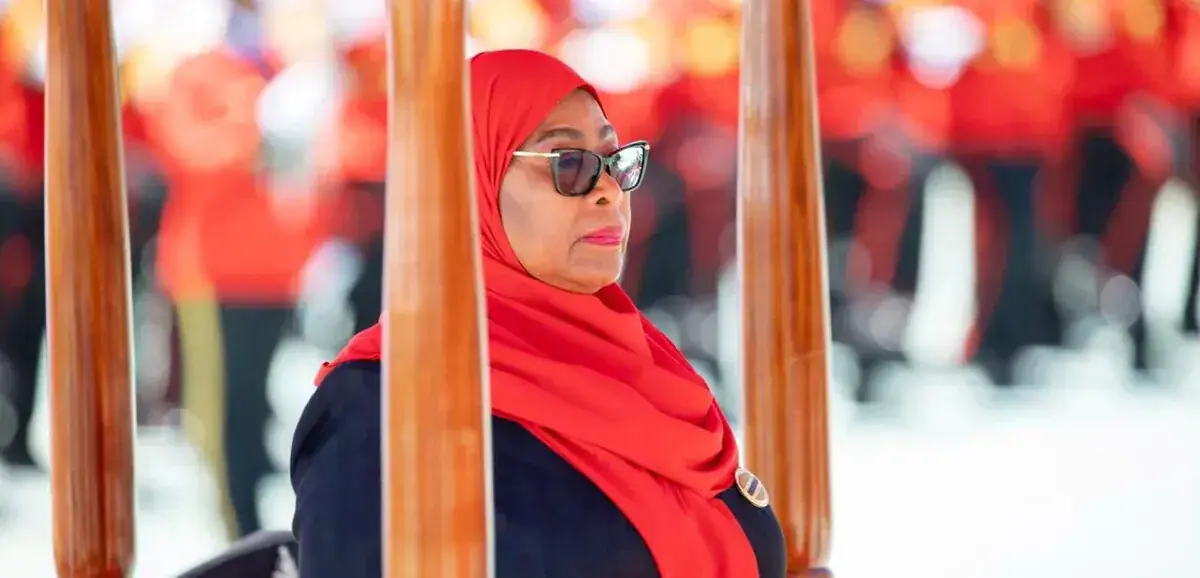
One year after Tanzania's violent elections, the opposition and human rights defenders say that the trauma of those events remains and the fear of arbitrary arrest is still high. The elections, which took place on October 29, 2025, were marred by violence and claims of fraud. President Samia Suluhu Hassan was declared the winner with 98% of the vote, but the main opposition figures were barred from participating. A government inquiry found 518 deaths, but human rights groups say that many more people were killed.
The opposition and human rights defenders have expressed concerns about the continued repression of critics and opposition voices. Brenda Rupia Jonas, spokesperson for the main opposition party Chadema, said that the party would observe seven days of mourning to commemorate what she called a "dark page in our country's history." The Catholic Church also held masses across Tanzania to remember the victims. However, many people are still too afraid to speak out, with one human rights defender saying that people are "arrested for liking a post."
The government has maintained a heavy police presence in the streets, and the authorities have warned that any mobilization will be considered "criminal." Human rights defenders and opposition figures have reported numerous cases of arbitrary arrest, abduction, and even murder. Tito Magoti, a lawyer and human rights defender, said that Tanzania is "under tension" and that people are living in fear. The opposition and human rights groups have called for dialogue and an investigation into the violence.
The trial of Tundu Lissu, the leader of Chadema, on treason charges has been a major point of tension. Lissu was arrested in April 2025 after saying that his party would "block the elections" if significant electoral reforms were not made. The verdict in his trial is expected on November 6. Amnesty International has criticized the use of treason charges to silence critics, saying that it is being used to "instill fear."
Human rights groups have also criticized the government's response to the violence, saying that it has failed to hold those responsible to account. A government inquiry into the violence was widely seen as biased, and its findings have been limited. Many families of those killed in the violence have not been able to bury their loved ones, and there are concerns about the use of mass graves to conceal the scale of the violence.
The opposition and human rights defenders have called for commemoration of the victims of the violence, but say that it is difficult to do so while abductions and arrests continue. Anna Bwana, director of the civil society organization Twaweza East Africa, said that commemoration is important, but that it is hard to do so while people are still being abducted and arrested. The situation in Tanzania remains tense, with many people living in fear of the authorities.
The international community has expressed concern about the situation in Tanzania, with many organizations calling for an investigation into the violence and for the government to respect human rights. The African Union and other regional organizations have also expressed concern, but so far, there has been little concrete action to address the situation. The Tanzanian government has not commented on the criticism, but has maintained that it is committed to stability and security.
Key points
- The Tanzanian opposition and human rights defenders say that the government is using repression to silence critics.
- A government inquiry into the violence found 518 deaths, but human rights groups say that many more people were killed.
- The opposition and human rights defenders are calling for commemoration of the victims of the violence and for the government to respect human rights.