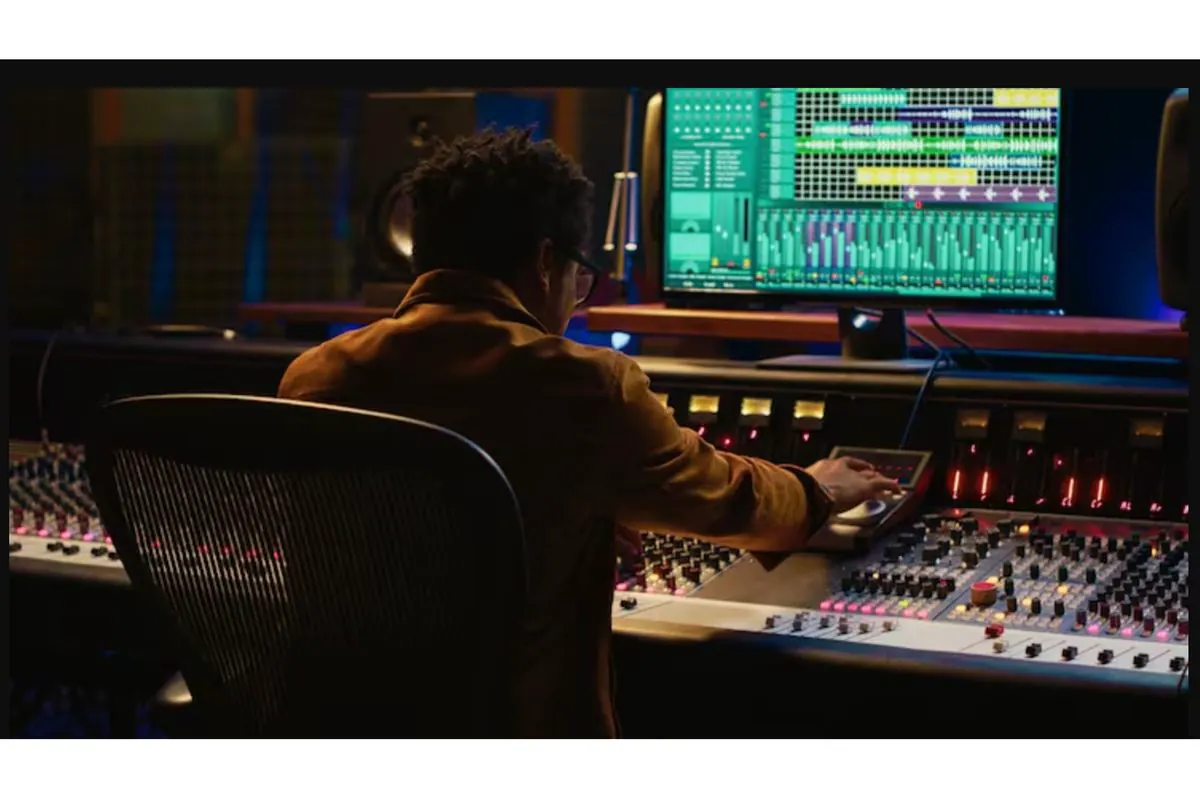
Tanzanian music producers are being encouraged to learn about the business side of their craft to ensure they receive fair compensation for their work. Currently, many producers focus on the creative aspect of music production, but often neglect the business side, which can lead to them missing out on potential income. Music producer Bob Manecky notes that this problem affects producers who understand the creative side of music but have limited knowledge of the business that comes with owning part of a song.
According to Mr. Manecky, producers can have more than one potential copyright interest when creating a beat from beginning to end. He explains that there are two copyright areas that can be monetised: sound recording and composition copyrights. This distinction is important because a song can contain several layers of ownership, with the underlying musical composition separate from the recorded master. This means that different people can hold rights in the same release.
Mr. Manecky warns that producers sometimes give away valuable rights without fully understanding what they are signing, particularly when payment for a studio session is treated as a complete settlement. He advises producers to be cautious when signing agreements, especially where documents have not been fully executed. Producers should always ask for a fully signed copy of the agreement, together with DocuSign certificates where possible.
The importance of understanding ownership and royalties has become increasingly important as music reaches audiences through streaming platforms, radio, television, and other commercial outlets. Tanzania's music-rights framework places increasing emphasis on documentation, ownership, and accurate registration. Copyright protection exists automatically when an original work is created, but proper records, contracts, and registration can make it easier for creators to prove ownership and collect royalties.
Tanzania's music-rights system recognises different interests in musical works and sound recordings, making clear agreements on splits and ownership important when several people contribute to a song. Music-rights guidance for Tanzanian creators recommends written split agreements, accurate work metadata, and clear contracts covering the licensing or assignment of rights. This guidance also distinguishes between licensing a work for particular uses and permanently transferring economic rights.
However, producer David Onesemo believes that the challenge goes beyond contracts. He thinks that the industry also needs to address a culture in which established artistes expect producers to provide beats without proper payment or clear agreements. Mr. Onesemo suggests that clearer discussions before studio sessions could help reduce disputes while giving producers a better chance of turning their creative work into sustainable income.
The shift from treating a beat simply as part of a studio session to recognising it as an asset could become increasingly important as Tanzanian music reaches wider digital audiences. By educating themselves on the business side of their craft and advocating for fair compensation, Tanzanian music producers can ensure that their creative work generates income and contributes to the growth of the music industry in the country.
Key points
- Tanzanian music producers are being urged to educate themselves on the business side of their craft to ensure fair compensation.
- Understanding ownership and royalties has become increasingly important as music reaches wider audiences.
- Clear agreements on splits and ownership are crucial when multiple people contribute to a song.