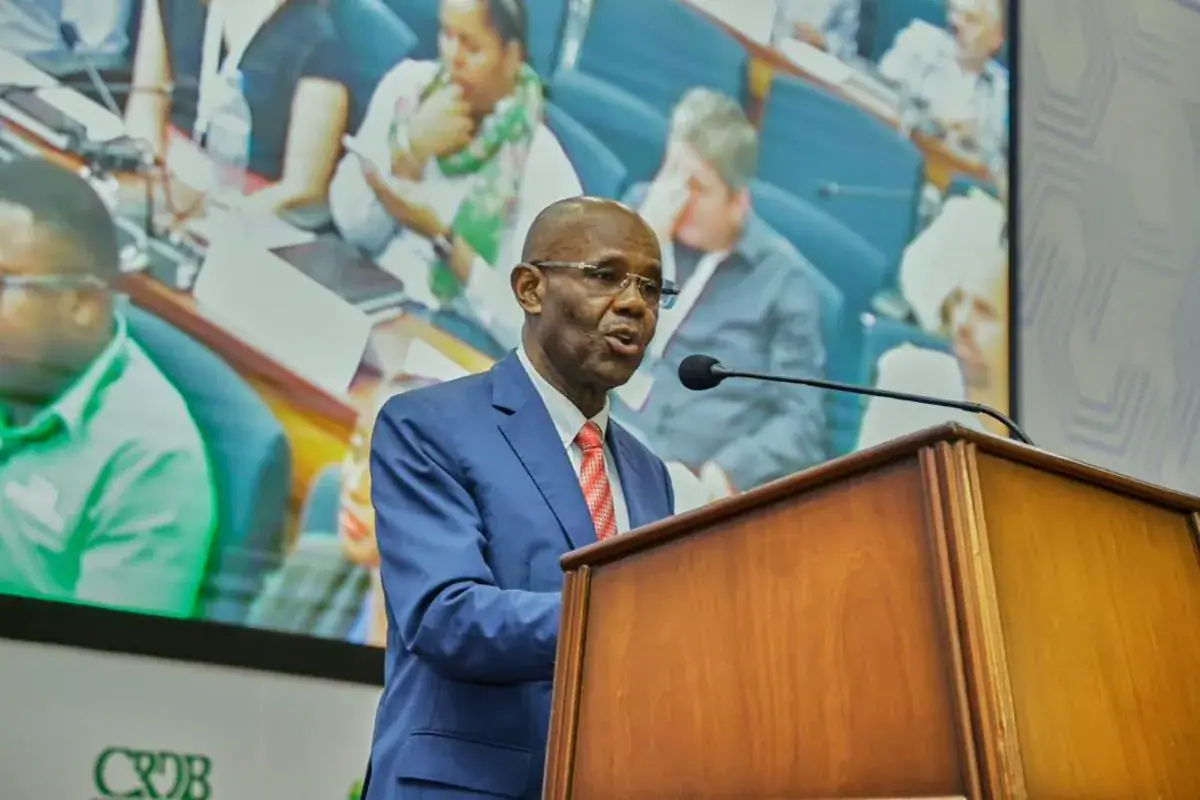
Tanzanian Transport Minister Makame Mbarawa has urged climate scientists worldwide to unite in their efforts to tackle climate change. Speaking on behalf of Prime Minister Mwigulu Nchemba at the opening of the Third Meeting of the Coordinating Lead Authors of Working Group I of the Intergovernmental Panel on Climate Change (IPCC) in Arusha, Mbarawa emphasized the need for scientific collaboration to generate evidence guiding government decisions. He stressed that developing countries, particularly in Africa, face significant climate-related threats to agriculture, livestock, fisheries, water supplies, and infrastructure.
Mbarawa highlighted the importance of science in policymaking, stating that it should underpin government decisions, guide investment, and drive economic development. He noted that sound policies based on scientific evidence would attract investors and contribute to the country's development. The Minister also emphasized that climate change is no longer a future threat, but a current reality already being felt worldwide, with developing countries and small island states bearing a disproportionate burden.
In Tanzania, climate change is affecting agricultural production, livestock, water availability, and livelihoods due to prolonged droughts, floods, and unpredictable weather patterns. Mbarawa stated that the situation demonstrates that climate change is not merely an environmental concern, but an issue that needs to be integrated into national development planning. The government is strengthening institutions responsible for climate-related matters, including the Tanzania Meteorological Authority (TMA), and incorporating climate response measures into development plans.
The government is promoting climate-smart agriculture, adopting clean technologies and energy sources, and expanding electric-powered railway transport. Mbarawa also stressed the need to deliver weather information promptly and in accessible language to help farmers, fishermen, and livestock keepers make informed decisions and minimize losses. He cited the example of fishermen who sometimes spend considerable time and resources searching for fish without success, saying reliable forecasts could help them plan activities and avoid unnecessary losses.
The meeting, taking place in Arusha from November 2 to 6, has brought together about 300 scientists from 75 countries. IPCC Chairperson Jim Skea said the meeting marked an important milestone in preparations for the Seventh Assessment Report (AR7), as lead authors worked towards the second draft following thousands of comments on the first. The assessment is becoming increasingly complex due to the expanding scope of climate science.
IPCC Vice-Chairperson and TMA Director General Ladislaus Changa said the meeting was jointly organised by the IPCC, its Working Group I Bureau, and TMA. He said discussions focused on rising temperatures, changing rainfall patterns, and increasingly frequent extreme weather events, with findings expected to inform policies and strategies worldwide. The meeting aims to produce practical, implementable solutions to challenges facing communities.
The call for united efforts against climate change comes as Tanzania and other developing countries face significant climate-related challenges. Mbarawa's remarks emphasize the need for scientific research to produce practical solutions to challenges facing communities, adding that protecting the environment means safeguarding lives, the economy, and future generations. The government's efforts to address climate change demonstrate its commitment to sustainable development and mitigating the effects of climate change.
Key points
- Tanzanian Transport Minister Makame Mbarawa urges climate scientists to strengthen international cooperation to tackle climate change.
- The government is promoting climate-smart agriculture, adopting clean technologies, and expanding electric-powered railway transport to address climate change.
- The meeting in Arusha aims to produce practical solutions to challenges facing communities and inform policies and strategies worldwide.