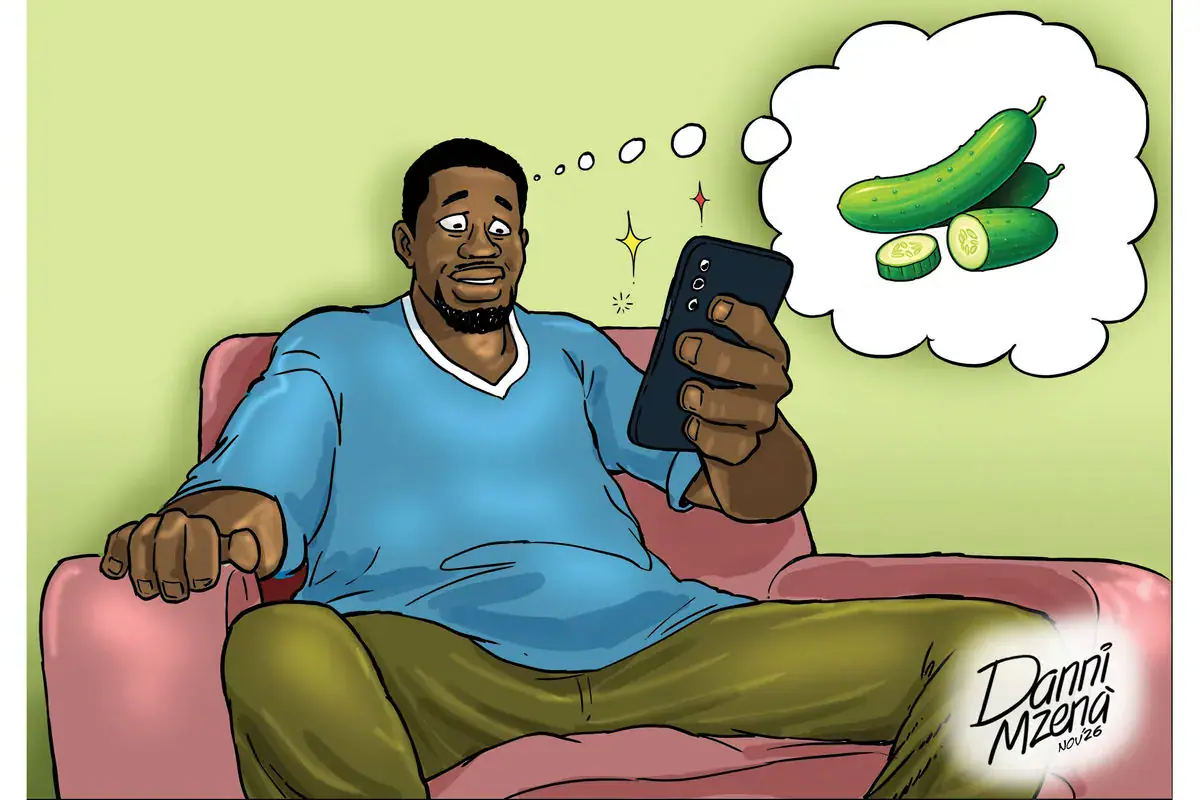
A Tanzanian journalist, Beatrice Materu, has spoken out against the trend of people turning to social media for medical advice, particularly on platforms like TikTok. She notes that the internet has made it easy for anyone to claim to be a medical expert, often with little to no qualifications. This has led to a proliferation of self-proclaimed doctors offering miracle cures and treatments for various ailments, including intimate concerns.
Materu argues that this trend is problematic, as it often preys on people's insecurities and vulnerabilities. She notes that many individuals, particularly women, are seeking to improve their sexual health and appearance, but are being misled by false promises of miracle cures. These cures often come in the form of herbal mixtures, homemade concoctions, or other unproven remedies that can cause harm rather than good.
The journalist emphasizes that intimate concerns deserve credible medical advice, not experiments inspired by strangers with large followings on social media. She urges people to be cautious and to seek advice from qualified medical professionals rather than relying on the internet. Materu also notes that the comments section of social media platforms is often filled with testimonials from people who claim to have benefited from these miracle cures, but these claims are often unsubstantiated and lack clinical evidence.
Materu believes that people's desire to feel attractive, desirable, and confident is being exploited by those offering miracle cures. She argues that society's unrealistic expectations and criticism of people's bodies can lead to feelings of insecurity, which are then exploited by those selling these products. This can create a vicious cycle of self-doubt and financial exploitation.
The journalist encourages people to think critically about the advice they receive on social media and to be wary of products that promise quick fixes or miracle cures. She urges people to ask themselves whether they really need a particular product or treatment, or whether they have been convinced that something is wrong with them. Materu also emphasizes that people's bodies are not broken appliances that need to be fixed.
Materu's message is clear: people should not confuse healthcare with internet daredevilry. She argues that healthcare is a serious matter that requires credible advice from qualified professionals, not experiments inspired by strangers on social media. By being cautious and seeking advice from trusted sources, people can avoid falling prey to false promises and protect their health and well-being.
Ultimately, Materu's goal is to empower people to take control of their health and to make informed decisions about their bodies. She encourages people to be confident in their own bodies and to resist the pressure to conform to societal expectations. By doing so, people can avoid the risks associated with miracle cures and focus on maintaining their overall health and well-being.
Key points
- The journalist emphasizes the importance of seeking credible medical advice from qualified professionals rather than relying on social media.
Reporting sources
- Your ‘ninii’ doesn’t need fixing, don’t listen to that TikTok doc · https://www.thecitizen.co.tz/