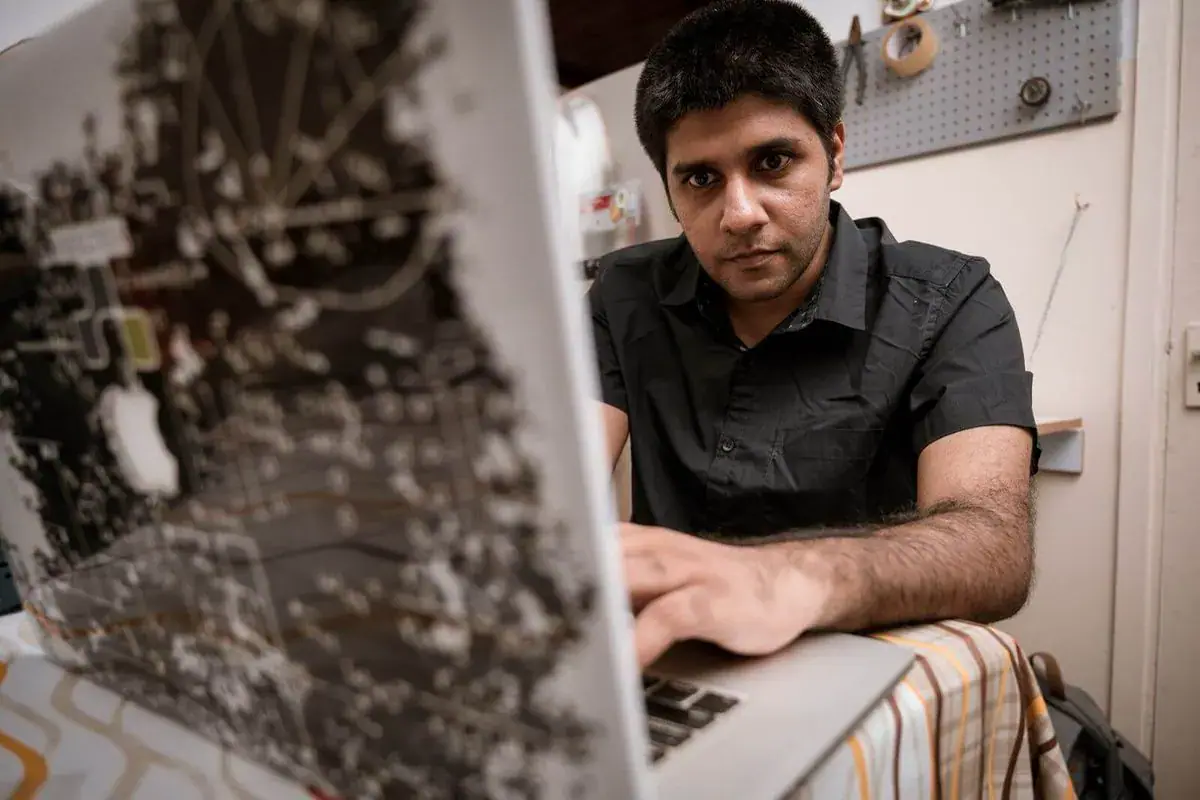
Tanzanian innovator Dr Atish Shah is leveraging 3D printing and digital technology to produce customized orthopaedic devices locally. His company, Roverlabs, is developing devices such as customized insoles, lightweight braces, and helmets that help correct skull shapes in infants. This move aims to reduce the cost of assistive medical technology and make it easier for people with disabilities and other patients to access specialized care. Dr Shah's work has been recognized by the Royal Academy of Engineering's Africa Prize for Engineering Innovation.
Roverlabs uses advanced gait analysis systems to map patients' walking patterns and biomechanics before producing customized insoles. The company also applies 3D printing to manufacture cranial remoulding helmets for infants, lightweight carbon fibre braces for fractures, arthritis, and sports injuries, and spinal braces for posture correction. Dr Shah told The Citizen that his company is now fabricating customized orthopaedic devices such as insoles for flat feet, diabetic foot ulcers, plantar fasciitis, and sports insoles to correct foot angulations that hamper performance.
To increase accessibility, Roverlabs is preparing to introduce home-based imaging services that would enable patients with disabilities to access ultrasound imaging and 3D scanning without traveling to hospitals. This service could make diagnostic procedures more convenient for patients who find movement difficult. Dr Shah sees an opportunity for Tanzania to develop medical technologies that respond to local needs while serving patients across East Africa, rather than relying predominantly on imported solutions.
However, expanding the innovation will require capital. Dr Shah stated that his company has secured more than $200,000 in funding since it started and is currently raising $500,000 to scale up, become less dependent on importing raw materials, and diversify its product line. Roverlabs has produced more than 700 devices and served over 3,000 customers, with its products costing at least 50 percent less than comparable offerings in Western countries while maintaining the same quality.
Despite the progress made, Dr Shah acknowledged that the cost of assistive technology remains a significant barrier for many Tanzanians, particularly because few insurance companies cover customized prosthetic and orthotic devices. He emphasized that his company is trying its best to find cost-effective materials and supply chains. The planned investment would support its ambition to build manufacturing capacity in Tanzania and expand distribution and clinical partnerships across African markets.
Dr Shah called for a more supportive environment for advanced manufacturing, including clearer medical device registration procedures, affordable financing, tax incentives, and improved access to specialized equipment and technical skills. He also emphasized the need for stronger research partnerships between universities, hospitals, and industry, as well as greater government support for locally manufactured medical devices through public procurement.
Ultimately, Dr Shah aims to position Africa not merely as a consumer of imported orthopaedic technologies but as a center for innovation and manufacturing that develops high-quality solutions for African patients and exports them to the wider world. He believes that such changes would help businesses like Roverlabs to scale production, create skilled jobs, reduce reliance on imported orthopaedic devices, and position Tanzania as a regional hub for innovative medical device manufacturing.
Key points
- Dr Shah's company Roverlabs has produced more than 700 devices and served over 3,000 customers, with its products costing at least 50 percent less than comparable offerings in Western countries.
- Roverlabs is currently raising $500,000 to scale up, become less dependent on importing raw materials, and diversify its product line.
- Dr Shah emphasizes the need for a more supportive environment for advanced manufacturing, including clearer medical device registration procedures, affordable financing, and tax incentives.