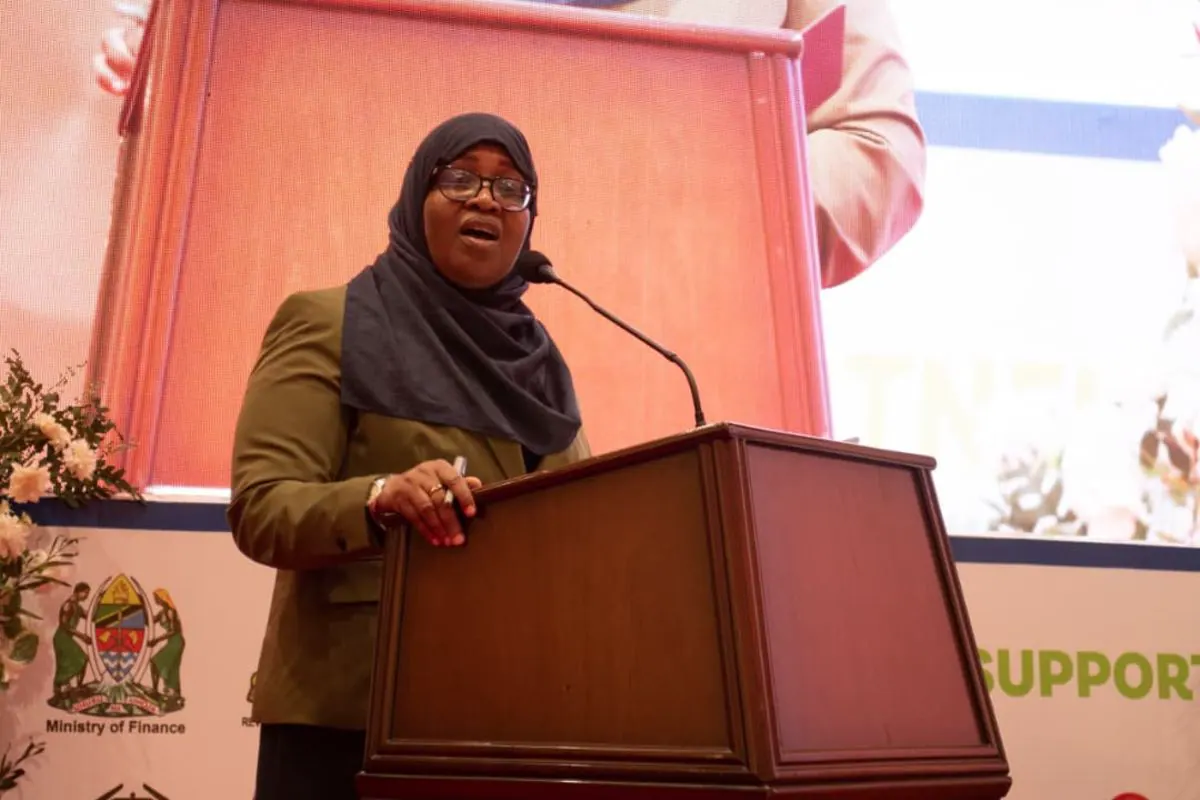
Internal auditors in Tanzania have been urged to strengthen oversight of institutional systems to identify and address emerging risks, including cybersecurity threats, artificial intelligence (AI) use, and changes in laws and regulations. This call was made by Zanzibar Minister of State in the President’s Office, Dr. Saada Mkuya, at the 13th Governance Conference and the 19th Internal Audit Conference in Arusha. The conferences were organised by the Institute of Internal Auditors Tanzania (IIA Tanzania).
Dr. Mkuya, representing Prime Minister Dr. Mwigulu Nchemba, noted that rapid technological changes and evolving operating environments have transformed the role of internal auditors. They are no longer just reviewing transactions and compliance with procedures but providing assurance on systems, security, and risks that could affect institutions. Organisations face new challenges driven by technological advancements, changing regulatory requirements, and growing demands for accountability.
Dr. Mkuya emphasised that internal auditors must continuously improve their skills and adopt new technologies and approaches to remain effective in a rapidly changing environment. Institutions cannot continue relying only on traditional systems to deal with new challenges. The Government is investing in digital technology and other development areas, requiring strong governance structures, effective controls, and accountability systems.
Dr. Mkuya also called on institutions to strengthen the professional independence of internal auditors by ensuring they have access to necessary information and can provide advice aimed at improving performance and resource management. This will enable auditors to provide assurance on systems, transformations, security, and risks that may affect institutions.
IIA Tanzania President Jonathan Ngoma called on the Government to create a stronger working environment for internal auditors. This includes ensuring they have independence, adequate resources, and the ability to report findings without interference from those they audit. Some auditors face challenges due to limited independence, particularly when they report to leaders who may also oversee activities subject to audit.
Mr. Ngoma noted that establishing independent oversight structures could help strengthen auditors’ independence and improve the effectiveness of their work. One of the challenges is the difference between local laws and international audit frameworks. For example, an auditor is expected to report to the board, but in some cases, the same board members are the ones whose activities are being audited.
The conferences aimed to equip internal auditors with the necessary skills and knowledge to address emerging risks and provide assurance on systems, security, and risks that could affect institutions. The events brought together stakeholders from the public and private sectors to discuss the latest trends and best practices in internal auditing.
Key points
- Internal auditors in Tanzania must adapt to new risks like cybersecurity threats and AI use.
- The Government is investing in digital technology, requiring strong governance structures and effective controls.
- Internal auditors need independence, adequate resources, and the ability to report findings without interference.