When it comes to planning a safari trip in Africa, two countries often come to mind: Tanzania and Botswana. These destinations offer vastly different experiences, with Tanzania's Serengeti featuring open plains and the world's largest overland animal migration, and Botswana's Okavango Delta providing a unique wetland ecosystem and exclusive game viewing opportunities. Travelers must consider what type of safari experience they are looking for when choosing between these two countries.
Tanzania's safari model is built on scale and diversity, with the Serengeti covering 14,763 km² of open savannah. The wildebeest migration, which takes place in the Serengeti, is the world's largest overland animal movement, with the 2023 TAWIRI aerial census counting 1,366,109 ± 231,741 wildebeest. This experience can be combined with a visit to the Ngorongoro Crater, the world's largest intact, unflooded volcanic caldera, and a beach extension to Zanzibar.
In contrast, Botswana's safari model focuses on concentrated exclusivity in a unique wetland ecosystem. The Okavango Delta, which is flooded seasonally by the Okavango River, creates an inland sea that supports wildlife in a completely different way from any savannah. Game viewing in Botswana takes place by mokoro, motorboat, and on foot, as well as by vehicle, offering a qualitatively different experience from Tanzania.
One of Tanzania's main advantages is its ability to offer a wide range of experiences, including the wildebeest migration, the Serengeti, Ngorongoro Crater, and a beach extension to Zanzibar. The country's park fees are significant, but the range of camp types and group-versus-private vehicle structures means that the total trip cost can be shaped to a real budget. Additionally, Tanzania has more international connections, with carriers such as KLM, Ethiopian Airlines, and Qatar Airways serving Kilimanjaro International Airport and Dar es Salaam.
Botswana, on the other hand, is known for its exclusivity and less crowded game viewing experiences. The country's focus on high-end accommodation means that travelers pay more for this experience. However, for those who find shared game viewing intrusive, Botswana is a good option. The Okavango Delta and Chobe National Park are two of Botswana's main attractions, offering unique game viewing experiences.
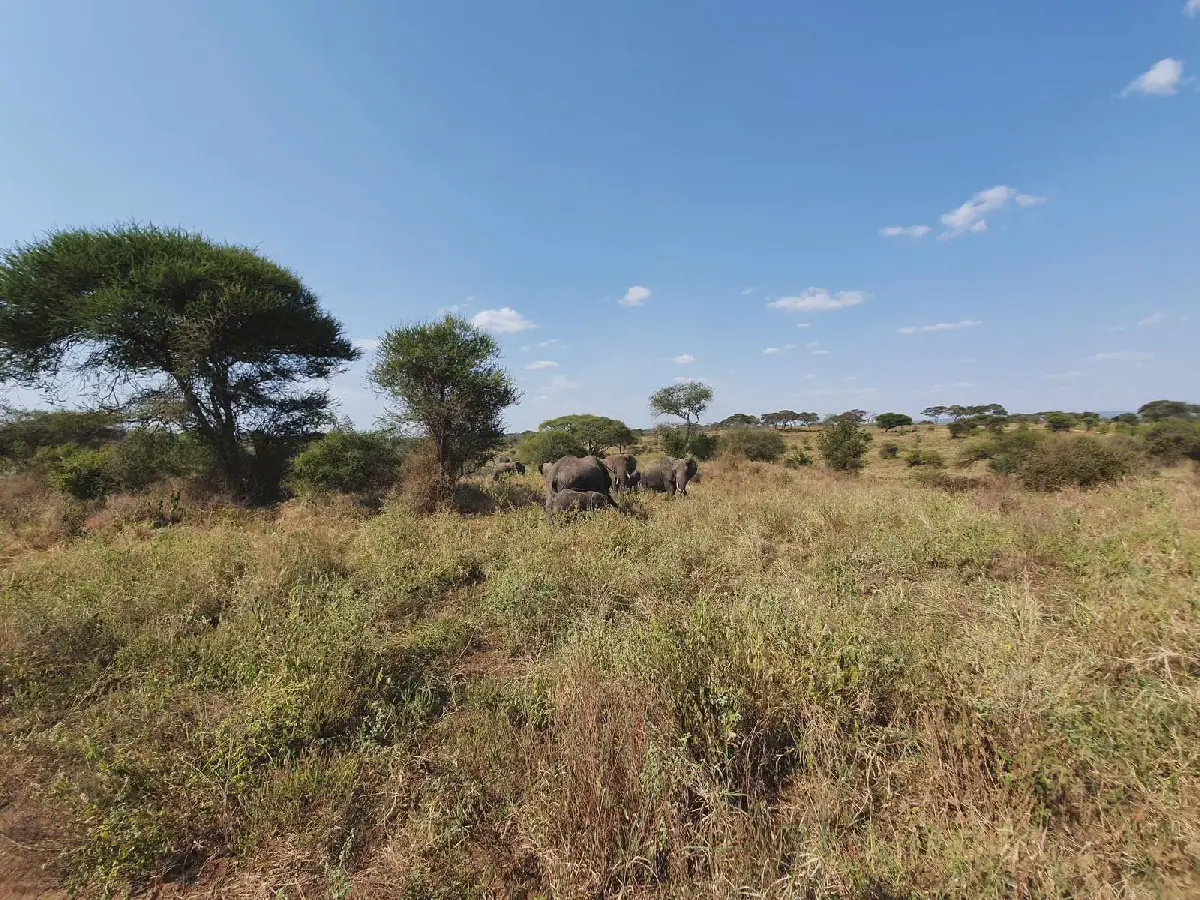
Chobe National Park in northern Botswana is known for its elephants, with boat safaris on the Chobe River being a standard activity. The park's elephant concentration is one of the highest in Africa, making it a great destination for those interested in seeing these animals. In contrast, Tanzania's Tarangire National Park draws massive elephant concentrations around the Tarangire River each dry season.
Ultimately, the choice between Tanzania and Botswana depends on what type of safari experience travelers are looking for. Those who want to see the wildebeest migration and experience a wide range of activities, including a beach extension to Zanzibar, may prefer Tanzania. On the other hand, those who want a more exclusive and less crowded game viewing experience in a unique wetland ecosystem may prefer Botswana.
Key points
- Tanzania offers a wide range of experiences, including the wildebeest migration, the Serengeti, Ngorongoro Crater, and a beach extension to Zanzibar.
- Botswana provides a unique wetland ecosystem and exclusive game viewing opportunities in the Okavango Delta and Chobe National Park.
- The choice between Tanzania and Botswana depends on what type of safari experience travelers are looking for.
Reporting sources
- Tanzania vs Botswana Safari: Costs and Wildlife · WildToSea