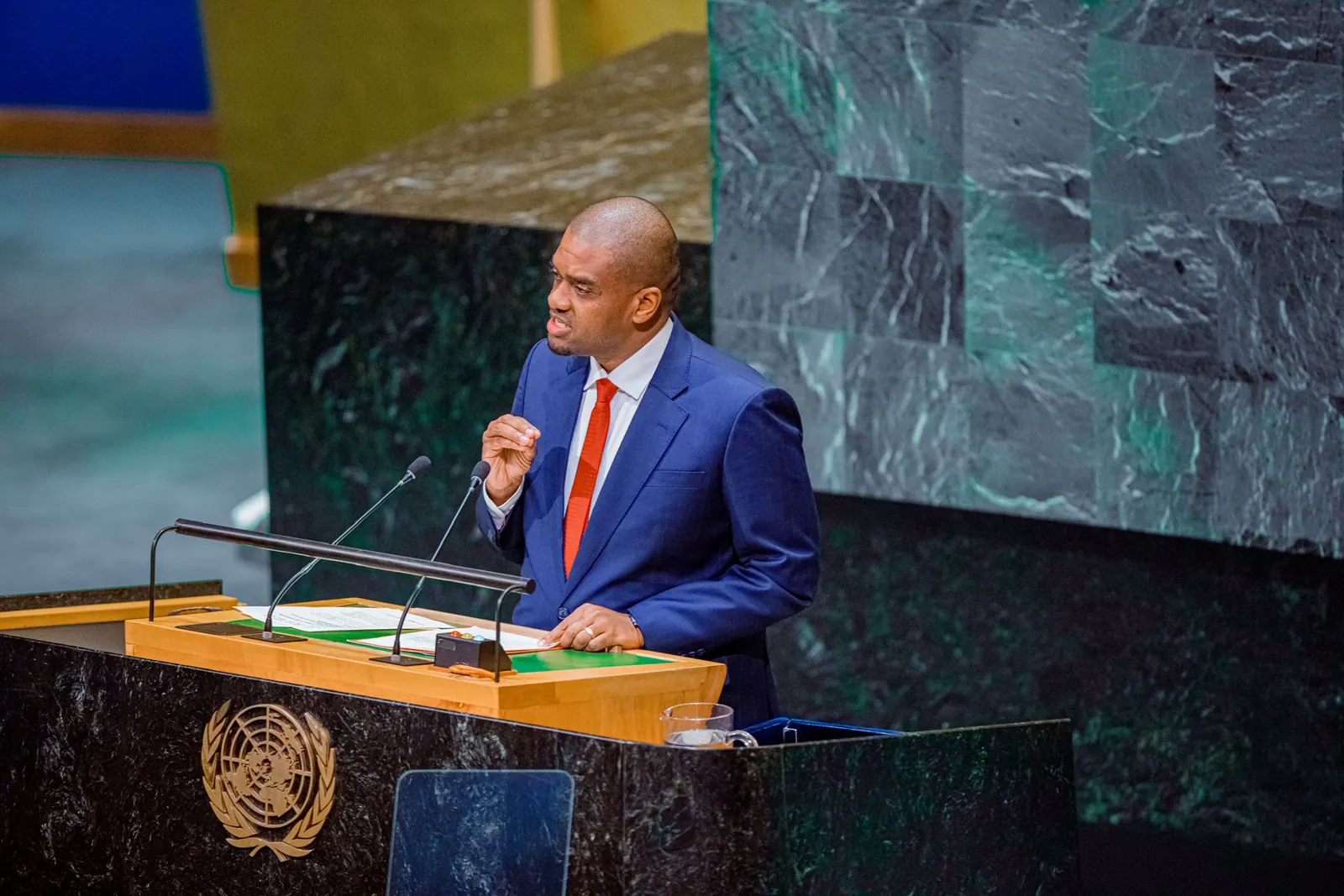
Tanzania has urged the international community to take stronger action to reduce preventable maternal, newborn and child deaths across Africa. Vice President Deogratius Ndejembi, representing President Samia Suluhu, made the call at a High-Level Heads of State side event at the 81st United Nations General Assembly. Ndejembi emphasized that the health and survival of African women, newborns and children remain a major test of the continent's health systems, human capital and shared prosperity.
According to Ndejembi, Africa accounts for approximately 70 percent of global maternal deaths and nearly two-thirds of deaths among children under five. Despite progress and the availability of interventions that can save lives, the challenge is no longer simply knowing what works, but ensuring that proven interventions are financed and delivered reliably, equitably and at scale. Ndejembi stressed that health sovereignty should be measured by what women, newborns and children can actually receive when they need care.
The event highlighted findings from the Africa Centres for Disease Control and Prevention (Africa CDC) showing that many maternal and child deaths are preventable. Africa CDC Deputy Director General Dr Raji Tajudeen noted that weaknesses in service delivery, shortages of trained health workers and medical products, poor-quality information systems, inadequate financing, and gaps in leadership and coordination continue to affect outcomes.
Dr Tajudeen emphasized that countries often have policies, strategies and costed plans in place, but the information generated is not consistently translated into action. The discussions centred on the Three Zeros agenda championed by President Samia: zero unsafe deliveries and referrals without skilled care, zero preventable maternal and newborn deaths, and zero-dose children.
WHO Director-General Dr Tedros Adhanom Ghebreyesus noted that Tanzania has demonstrated progress, including an 81 percent reduction in maternal mortality over six years. The speakers called for stronger political leadership, better use of data, improved health-system capacity and sustainable financing to accelerate progress towards maternal and child survival targets by 2030.
The call to action comes as many African countries continue to struggle with high rates of maternal and child mortality. The continent's health systems face significant challenges, including shortages of skilled health workers, inadequate infrastructure and limited access to essential medicines. Improving health outcomes will require sustained efforts and investments in health systems, as well as stronger leadership and coordination.
The event at the UN General Assembly highlights the need for continued international cooperation and support to address the major health challenges facing Africa. The discussions are expected to inform global efforts to achieve the Sustainable Development Goals, including Goal 3, which aims to ensure healthy lives and promote well-being for all.
Key points
- Tanzania's Vice President Deogratius Ndejembi has called for stronger action to reduce preventable maternal, newborn and child deaths across Africa.
- Africa accounts for approximately 70 percent of global maternal deaths and nearly two-thirds of deaths among children under five.
- The Three Zeros agenda, championed by President Samia, aims to achieve zero unsafe deliveries and referrals without skilled care, zero preventable maternal and newborn deaths, and zero-dose children.