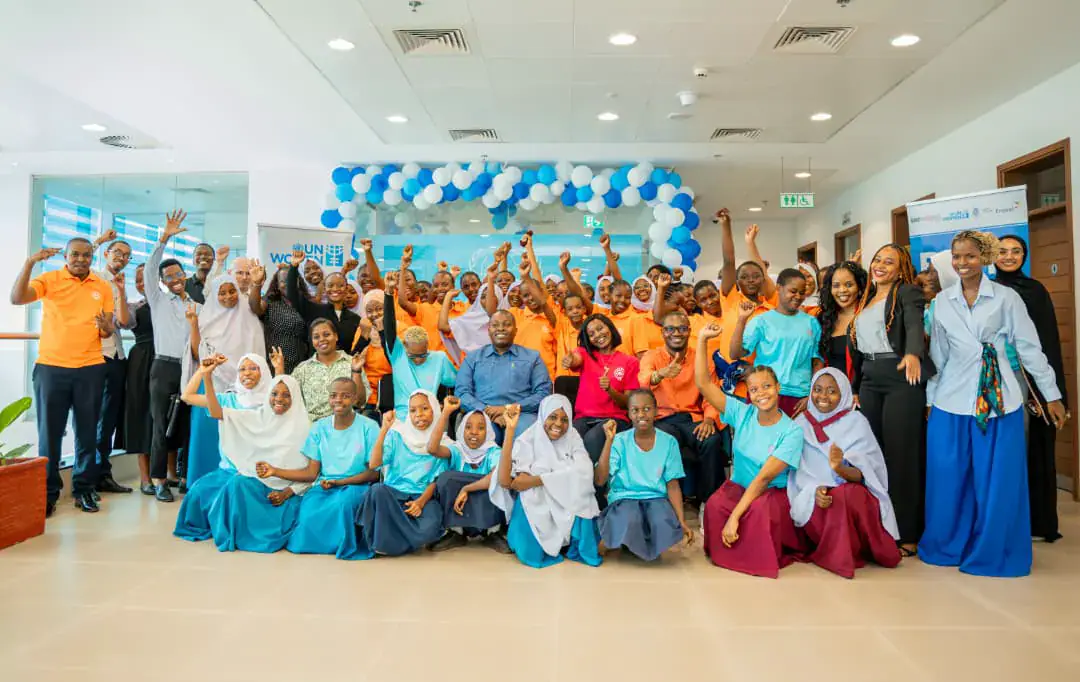
Digital technology is transforming the lives of girls and young women in Tanzania, providing new opportunities for learning, communication, and entrepreneurship. However, these benefits come with risks, as online spaces expose them to harassment, threats, scams, and other forms of abuse. The Binti CyberSafe 2026 event in Dar es Salaam highlighted the need for digital inclusion to go hand in hand with skills, prevention, and reliable support for those who experience harm.
According to UN Women Tanzania representative Godlizan Bakari, digital technology is opening up new paths for people to learn, communicate, and access information, but the risks are expanding alongside these benefits. Research cited by UN Women estimates that between 16 and 58 per cent of women have experienced some form of technology-facilitated violence. This can include cyberstalking, online harassment, threats, impersonation, and the sharing of intimate images without consent.
The consequences of online abuse can be severe, causing psychological distress, financial and reputational harm, and even contributing to physical violence. Bakari argued that digital safety should be understood not merely as a technical concern, but as an issue of gender equality, human rights, and women's empowerment. Responding effectively requires action at several levels, including governments strengthening laws and accountability, technology companies addressing abusive conduct, and institutions and communities promoting responsible behaviour.
To prevent technology-facilitated violence, UN Women works to strengthen responses and improve access to services. This includes supporting providers such as police gender and children's desks, social welfare services, and other relevant agencies to recognise and respond to gender-based violence. Better coordination can help prevent survivors from being passed between disconnected systems while they try to obtain protection and assistance.
SheWorks in Tech founder Annagrace Malamsha shared her experience of empowering girls and women through digital skills training. Her organisation, registered in 2025, has reached, trained, and empowered more than 300 girls and women across Tanzania, with support from partners including the Embassy of Belgium, Enabel, and UN Women. Malamsha emphasised that access to technology is not enough if girls cannot participate with confidence.
Enabel representative Latifa Kapilige stressed that safe spaces must exist wherever girls and young women live, study, work, and connect online. Digital inclusion involves more than providing access to devices or the internet; girls need relevant skills, equal opportunities, and environments in which they can develop their abilities without intimidation. Practical learning in securing accounts, identifying scams, and responding to cyber incidents can help participants make safer decisions.
The Binti CyberSafe event demonstrated how digital skills can spread beyond the individuals who first receive training. Participants were encouraged to apply what they learned, speak up against online abuse, and share practical knowledge with others. Girls and young women have the right to explore technology, express ideas, and pursue their ambitions without fear, according to Bakari.
Key points
- Digital safety is an issue of gender equality, human rights, and women's empowerment.
- Online abuse can cause psychological distress, financial and reputational harm, and even contribute to physical violence.
- Digital inclusion must go hand in hand with skills, prevention, and reliable support for those who experience harm.