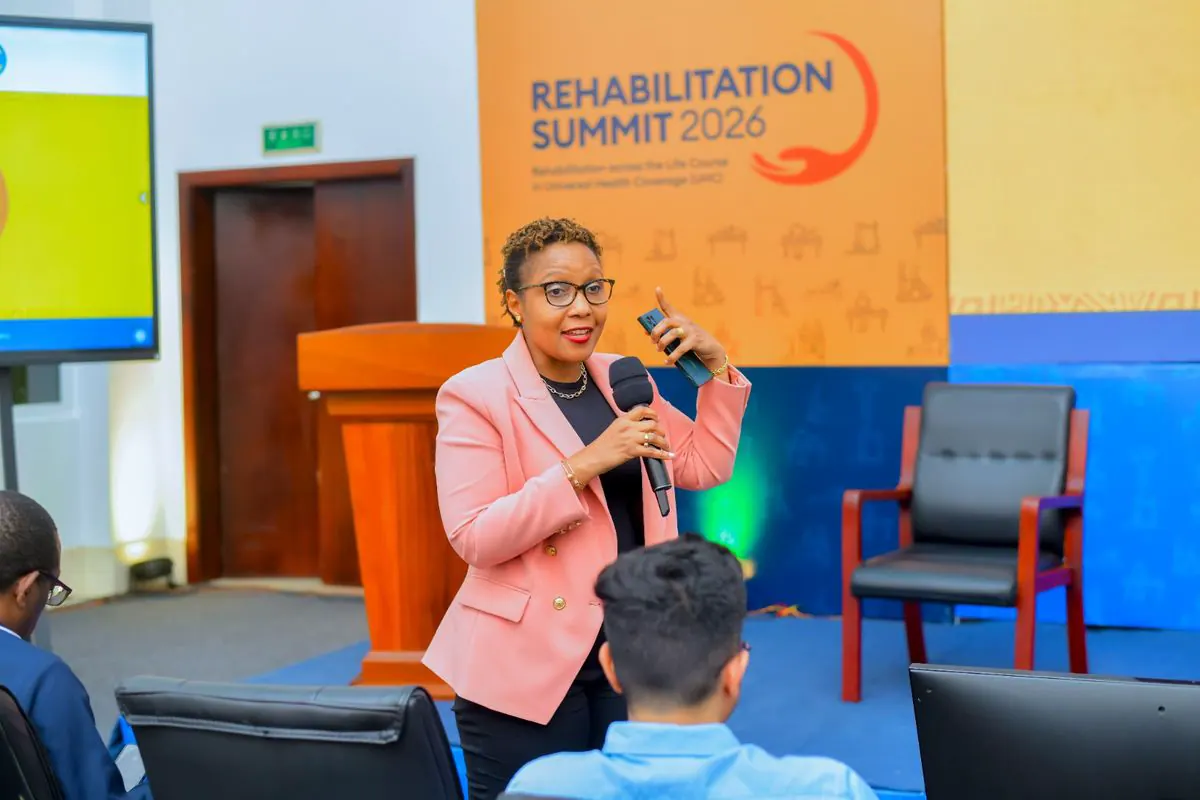
Stakeholders at the fourth Rehabilitation Summit in Dar es Salaam have called for increased investment in rehabilitation care in Tanzania. The summit, which concluded on September 18, highlighted the need for more rehabilitation specialists and improved funding to address the growing demand for specialized care. Non-communicable diseases, injuries, and disabilities are driving the demand for rehabilitation services in the country.
The summit adopted resolutions that urged the government to assess the country's rehabilitation workforce, improve the distribution of specialists, and strengthen referral systems. The resolutions also called for increased investment in equipment and infrastructure to support rehabilitation services. Rehab Health Executive Director, Remla Shirima, said the assessment of the existing workforce would be an important starting point in addressing the shortage of rehabilitation professionals.
According to Remla Shirima, assessing the existing workforce would help develop a realistic plan for increasing the number of rehabilitation professionals and setting targets for 2030 and beyond. However, she noted that increasing the number of specialists alone would not address the problem if professionals remained concentrated in higher-level hospitals. There is a need for better distribution of rehabilitation professionals and stronger referral systems to enable patients to access appropriate services at different levels of healthcare.
The resolutions also called for communities to take part in identifying gaps in rehabilitation services and demanding improvements. This, according to Remla Shirima, would link access to care with accountability at the local level. Communities should not just receive rehabilitation services but also participate in identifying gaps, demanding those services, and holding the system accountable for accessibility.
Experts have also emphasized the need for greater attention to preventing conditions that can create demand for rehabilitation, particularly non-communicable diseases and injuries. Tanzania Diabetes Association Secretary General, Prof Kaushik Ramaiya, said physical exercise was important for maintaining health, but people needed guidance on appropriate activities. He emphasized the importance of education on healthy lifestyles, including appropriate diets and safe physical activity.
Physiotherapist Aloyce Thobias noted that inadequate attention to rest and safe exercise could result in injuries that require rehabilitation. He advised people to include rest days in their exercise programs, drink enough water, and pay attention to changes in their bodies. Specialist surgeon at Benjamin Mkapa Hospital, Dr Mugisha Nkoronko, highlighted the workforce challenge identified in the summit resolutions, emphasizing the need for enough skilled and competent health workers.
Dr Mugisha Nkoronko said the shortage of professionals could limit access to rehabilitation as the burden of non-communicable diseases increased. He emphasized the need for training institutions to focus on producing professionals with the necessary skills and competence. The resulting demand for rehabilitation further highlights the need for increased investment in rehabilitation care in Tanzania.
Key points
- Tanzania needs to assess its rehabilitation workforce and improve the distribution of specialists to address the growing demand for care.
- The country requires increased investment in equipment and infrastructure to support rehabilitation services.
- Communities should be involved in identifying gaps in rehabilitation services and demanding improvements to ensure accountability at the local level.