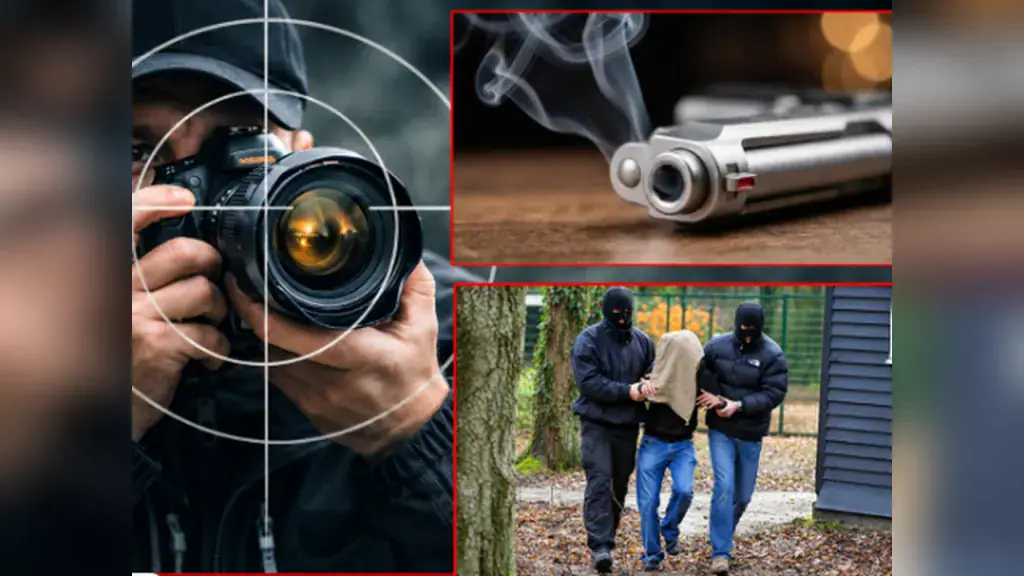
In Tanzania, awareness about surveillance detection routes, or SDRs, is crucial for individuals to protect themselves from potential threats. SDRs are planned routes that help determine if someone or a vehicle is being followed, using a series of movements to reveal signs of surveillance. This technique is vital for people whose work, social status, or living environment makes them vulnerable to being followed. By understanding and applying SDRs, individuals can improve their personal safety and security.
SDRs involve various movements, including changing routes, stopping at different locations, and other actions that help identify if someone is being followed. These routes can include areas with a clear view of the surroundings, such as open spaces or reflective surfaces. The primary goal of SDRs is to detect surveillance activities, allowing individuals or security teams to take necessary precautions to protect the person or property being targeted. This may involve changing travel plans, increasing protection, or notifying law enforcement.
Effective SDR planning requires consideration of several key factors. One crucial aspect is avoiding predictable patterns, as a consistent schedule or routine can make it easier for potential followers to anticipate one's movements. By varying daily routines and being mindful of surroundings, individuals can reduce the risk of being followed undetected. Additionally, being aware of alternative routes and having a knowledge of safe areas, such as police stations or hospitals, can also enhance personal safety.
Experts recommend several specific techniques for surveillance detection. One method is "sidestepping," which involves identifying changes in a person's or vehicle's movement that may indicate surveillance. Another technique is to stop at various locations to assess the surroundings and look for any unusual activity. "Reversals" involve evaluating repeated movements or patterns in different areas, which may indicate potential surveillance. Furthermore, being aware of areas with limited escape routes, such as bridges or isolated roads, is essential for personal safety.
The use of public transportation, such as buses and trains, also requires consideration of safety and security factors. Individuals should be aware of their surroundings, including the locations of stops, the environment around stations, and areas with security services. By being mindful of these factors and taking necessary precautions, individuals can reduce their risk of being targeted.
SDRs are not only useful for individuals but also for institutions and organizations. By understanding and implementing these techniques, Tanzanians can enhance their personal safety and security, particularly in areas with high crime rates or security concerns. Awareness and education about SDRs can empower individuals to take control of their safety and well-being.
In conclusion, understanding and applying surveillance detection routes is essential for enhancing personal safety and security in Tanzania. By being aware of surroundings, avoiding predictable patterns, and using specific techniques for surveillance detection, individuals can reduce their risk of being targeted and improve their overall safety. Experts emphasize the importance of staying vigilant and taking necessary precautions to protect oneself and one's property.
Key points
- Avoiding predictable patterns and being aware of surroundings can help individuals reduce their risk of being followed.
- Understanding and applying SDRs can enhance personal safety and security, particularly in areas with high crime rates or security concerns.
- Specific techniques, such as sidestepping and reversals, can help individuals detect potential surveillance.