Tanzania is leveraging modern technology and innovative conservation methods to safeguard its dwindling rhino population. The country's rhino population has drastically declined from over 10,000 in the 1960s to just 302 black rhinos in 2025, according to official data. This sharp decline underscores the need for effective conservation measures. The government has called on conservation and tourism stakeholders to intensify the use of technology to track, monitor, and protect the endangered animals from poaching and other threats.
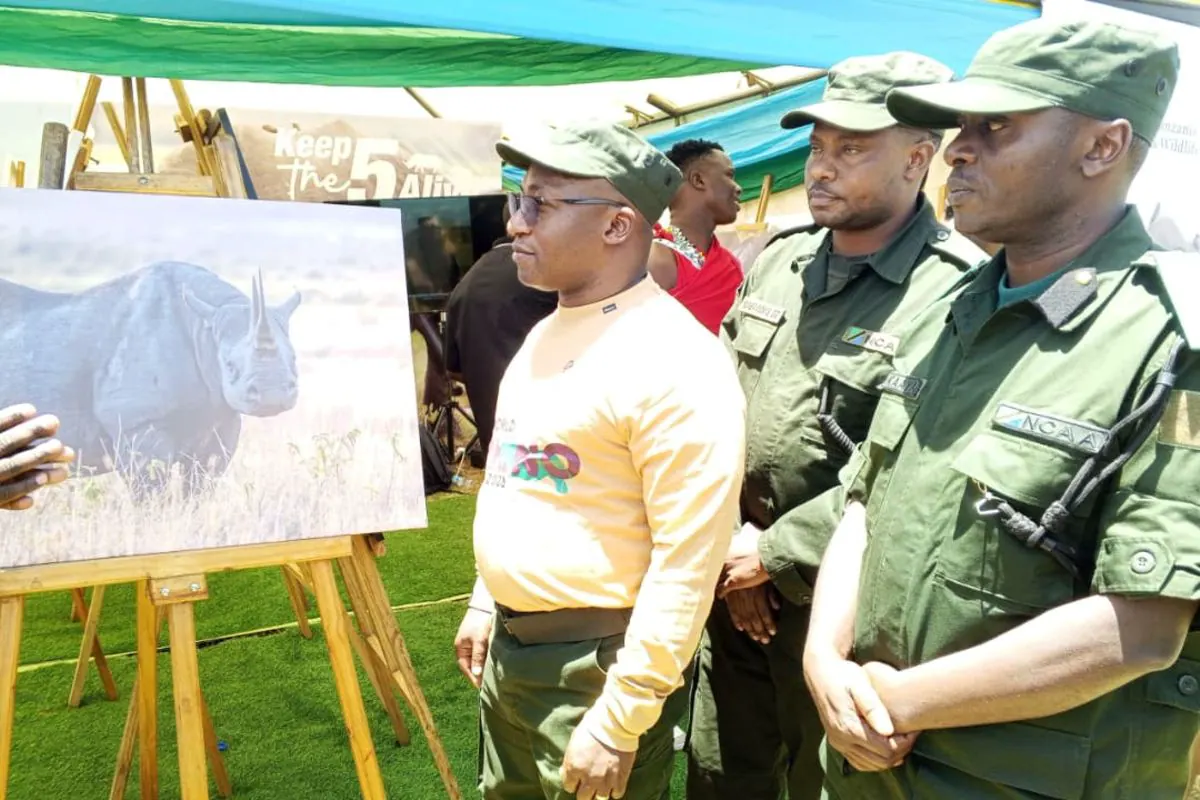
The Deputy Conservation Commissioner for Corporate Services at the Ngorongoro Conservation Area Authority (NCAA), Mr. Aidan Makala, emphasized the importance of collaboration among the government, conservation authorities, tourism investors, and local communities in rhino conservation. During World Rhino Day commemorations held in the Ngorongoro Conservation Area (NCA) on September 22, 2026, Mr. Makala highlighted the need for innovative approaches to detect threats early, strengthen security, and ensure the species' survival. He stressed that stronger collaboration is crucial to address the dramatic decline in Tanzania's rhino population.
The 2025 wildlife census data from the Tanzania Wildlife Research Institute (Tawiri) reveals the scale of the challenge facing the country's rhino conservation efforts. The data shows that Tanzania is home to both black and white rhinos, while five rhino species remain globally. Mr. Makala reiterated the government's conservation message, "We inherited them, let us pass them on," which should remain central to efforts to protect the species. He emphasized that future generations should not be left to know rhinos only through photographs and statues due to failures to protect them today.
Acting Assistant Conservation Commissioner in charge of protection services at NCAA, Mr. Samweli Kaaya, noted that World Rhino Day provides an opportunity to raise public awareness of the importance of protecting rhinos from poaching and other threats to biodiversity. The event also recognizes the contribution of rangers involved in protecting rhinos and educates communities living near their habitats. During the commemorations, rangers received awards and certificates in recognition of their contribution to conservation, while students from local schools were awarded prizes for their essays on rhino conservation.
Tourism stakeholder Neovita Sianga emphasized the importance of community involvement in rhino conservation. He suggested that communities living around protected areas should continue receiving conservation education to strengthen their participation in protecting rhinos and other wildlife. Greater community involvement is crucial in complementing government and conservation authorities' efforts to safeguard the species. This collaborative approach can help ensure the long-term survival of rhinos in Tanzania.
The Ngorongoro Conservation Area Authority (NCAA) is working to increase innovation in rhino protection and monitoring. Mr. Makala highlighted the need to explore new and modern ways of reducing risks in rhino habitats and strengthening their protection, including through dedicated rangers. The use of technology, such as tracking and monitoring systems, can help detect threats early and prevent poaching. This proactive approach can contribute to the conservation of Tanzania's rhino population.
World Rhino Day, observed annually on September 22, aims to raise awareness of rhino conservation and the threats facing the species. The event serves as a reminder of the importance of protecting rhinos and their habitats. Key points include:
Key points
- The use of modern technology is crucial in tracking and monitoring rhinos to prevent poaching.
- Collaboration among the government, conservation authorities, tourism investors, and local communities is essential for effective rhino conservation.
- Community involvement and education are vital in complementing government efforts to safeguard the species.