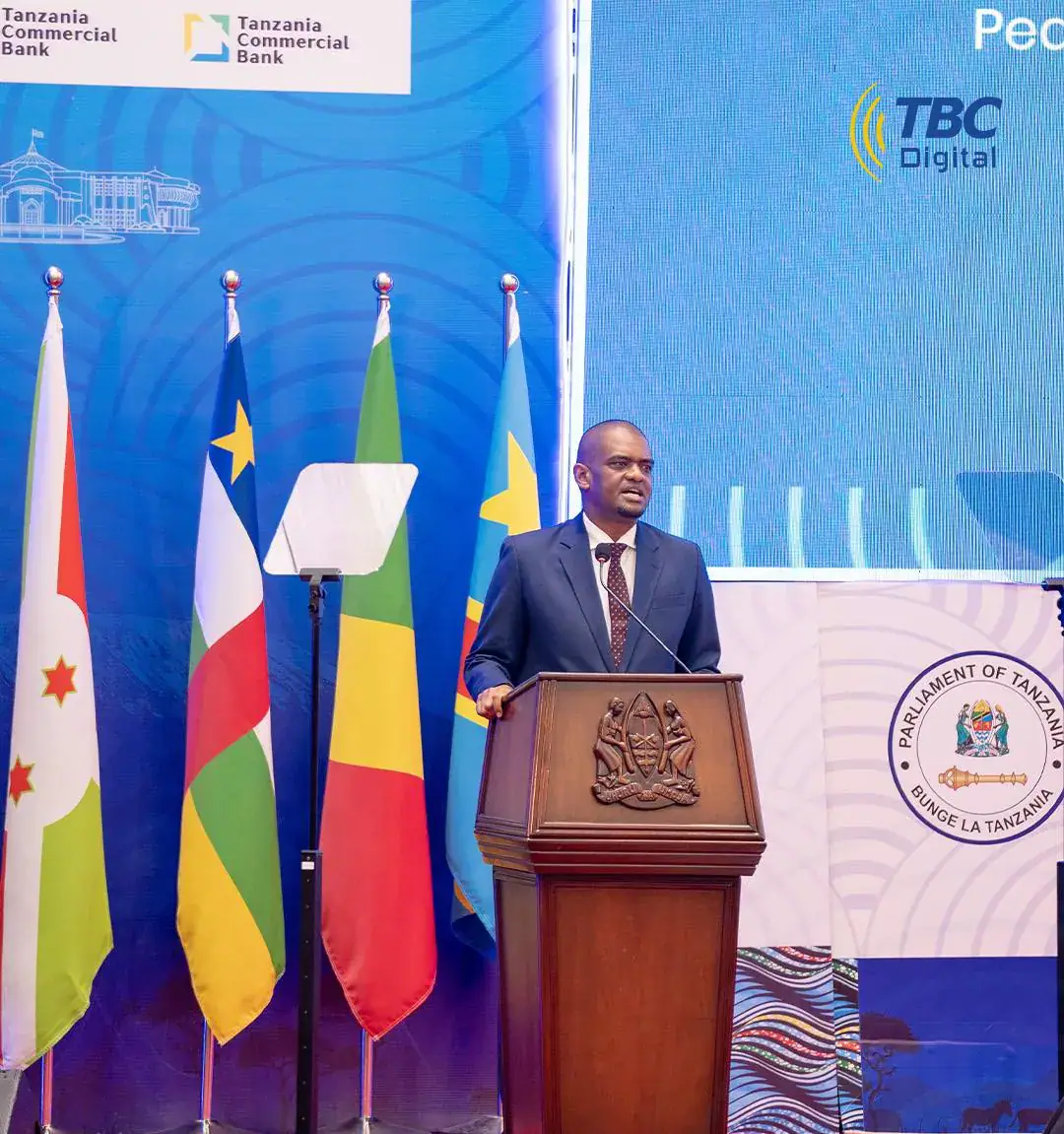
Tanzania's Vice-President Deogratius Ndejembi has urged stakeholders to ensure women are given opportunities and actively involved in decision-making processes. Speaking at the Great Lakes Region Women Parliamentarians' Conference in Dar es Salaam on November 2, 2026, Ndejembi noted that despite progress in increasing women's participation in leadership, they remain underrepresented in decision-making positions. He cited the need to recognise and fully utilise women's potential and contributions in peace negotiations and security committees.
According to Ndejembi, existing systems continue to deny women equal opportunities to participate in discussions, express their views, and make decisions on matters concerning peace, security, and community development. He highlighted that women held approximately 27.5 per cent of all parliamentary seats worldwide as of January 1, 2026, citing figures from the Inter-Parliamentary Union (IPU). This indicates a significant gap in women's participation in leadership and decision-making.
The Vice-President also referred to the United Nations' 2025 report on Women, Peace and Security, which indicates that women accounted for only seven per cent of participants in negotiating roles and 14 per cent of mediators in major peace processes conducted in 2024. He emphasised the need to address these disparities and ensure women's participation in peace processes and decision-making.
Ndejembi stressed that peacebuilding efforts should reflect the needs, perspectives, and interests of all groups in society. He urged stakeholders to work towards creating a more inclusive environment that allows women to contribute to peace negotiations, security committees, and policy formulation and implementation.
The Great Lakes Region Women Parliamentarians' Conference aims to promote women's participation in leadership and decision-making. The conference provides a platform for women parliamentarians to share experiences, discuss challenges, and develop strategies to increase women's participation in leadership.
The Vice-President's call to action is a significant step towards addressing the disparities in women's participation in leadership and decision-making in Tanzania. By working together to address these challenges, stakeholders can create a more inclusive and equitable society that values the contributions of all individuals.
Key points
- Tanzania's Vice-President Deogratius Ndejembi has called for an end to gender-insensitive cultural norms that limit women's participation in leadership and decision-making.
- Women remain underrepresented in decision-making positions, holding approximately 27.5 per cent of all parliamentary seats worldwide as of January 1, 2026.
- The United Nations' 2025 report on Women, Peace and Security highlights the need for increased women's participation in peace processes and decision-making.