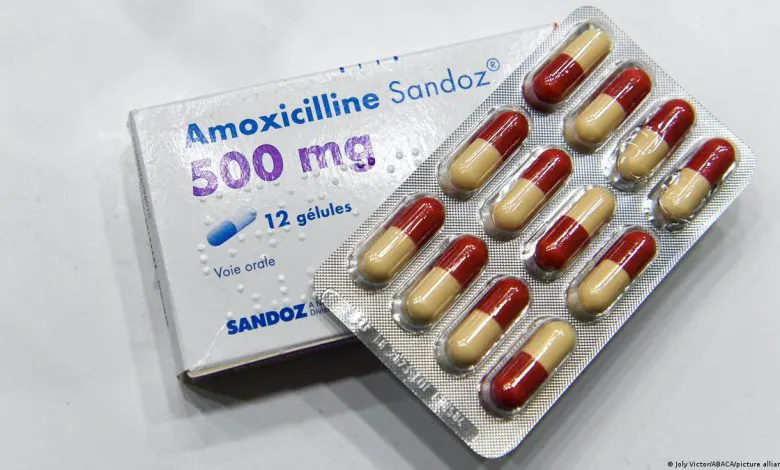
Tanzania faces significant challenges in meeting its domestic demand for medicines, with approximately 80% of its pharmaceutical needs being imported. The country's Medical Stores Department (MSD) reported that most of these imported medicines come from outside the country, leaving Tanzania heavily reliant on global supply chains. This dependence on external sources has raised concerns about the country's vulnerability to fluctuations in global prices, transportation disruptions, and changes in exchange rates.
The Tanzanian government has set a goal to increase local medicine production to 80% by 2030, up from the current 10-20%. To achieve this, the government is working to create a more favorable environment for investment in the pharmaceutical sector, including providing access to land and infrastructure. Additionally, the Ministry of Health has announced that MSD will prioritize locally produced medicines that meet national standards, before importing from abroad.
Despite having 41 health product manufacturers, including 17 medicine producers, Tanzania's local production capacity remains limited. A World Bank assessment attributed this to high production costs, energy expenses, and reliance on imported raw materials. Furthermore, a 2026 study published in the Discover Health Systems journal highlighted that Tanzania's pharmaceutical sector is hindered by regulatory challenges and institutional fragmentation.
The issue of high dependence on imported medicines is not unique to Tanzania, as Africa as a whole imports over 70% of its pharmaceuticals. However, some African countries have made significant strides in developing their local pharmaceutical industries. For example, India has become a major global producer of medicines and a key supplier to African markets. Morocco and South Africa have also established substantial pharmaceutical sectors, with Morocco importing $1.34 billion worth of medicines in 2025 and South Africa importing $2.5 billion.
Tanzania has begun to take steps to address its reliance on imported medicines. In May 2026, the Ministry of Health announced that MSD would prioritize locally produced medicines that meet national standards. The government is also working to attract investment in the sector by providing access to land and infrastructure. However, experts note that addressing high production costs, limited access to technology, and shortages of skilled professionals will be crucial to increasing local production.
Other African countries have demonstrated that building local pharmaceutical capacity does not necessarily mean abandoning imports entirely. Morocco, for instance, has developed a significant pharmaceutical sector while continuing to import medicines from abroad. South Africa has also made efforts to localize production, including a 2026 initiative to produce a long-acting HIV medication.
Tanzania's goal of achieving 80% local production by 2030 will require significant investment in manufacturing capacity, skilled professionals, quality control laboratories, and technology. Additionally, local producers will need to address challenges related to raw material sourcing and capital access. As the country works towards this goal, it will be essential to balance local production with strategic imports to ensure a stable and reliable supply of medicines to meet national needs.
Key points
- Tanzania aims to increase local medicine production to 80% by 2030.
- The country currently imports around 80% of its medicines.
- Local production currently meets only 10-20% of national needs.