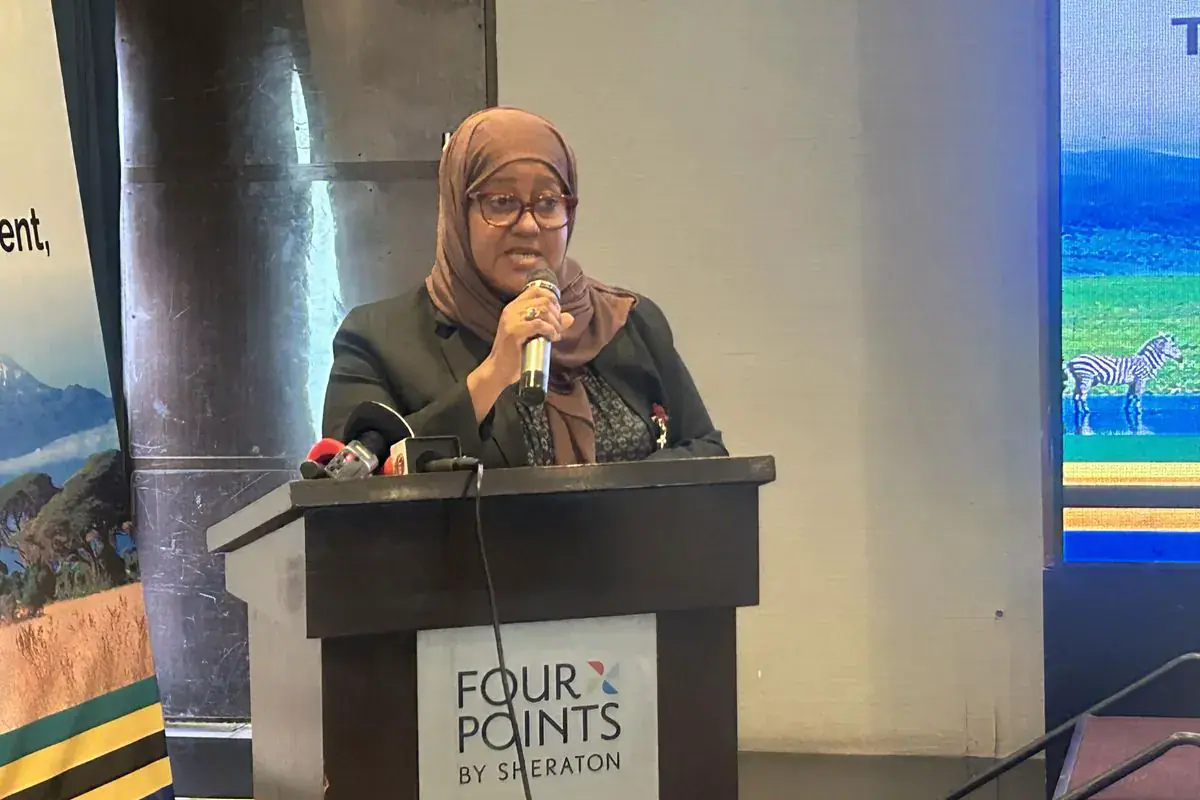
Tanzania is set to pursue five key priorities at the 31st Conference of the Parties (COP31) in Antalya, Türkiye, from November 9 to 20. The priorities were outlined during a national workshop in Dar es Salaam on October 28, 2026, to prepare the country’s negotiating position ahead of the United Nations climate conference. The government aims to agree on a unified national position, align its agenda with COP31 discussions, and prepare an action plan and side events.
The Deputy Permanent Secretary in the Vice-President’s Office, Dr Latifa Khamis, emphasized that Tanzania’s position should reflect the interests of both Mainland Tanzania and Zanzibar while remaining consistent with national development plans and government policies. She said the success of Tanzania’s participation should be measured by the decisions it influences, partnerships it builds, and financing it secures. Dr Khamis identified access to climate finance, adaptation, mitigation, technology transfer, capacity building, carbon markets, and measures to address loss and damage as key issues for the negotiations.
Ambassador Said Shaib Mussa, Deputy Permanent Secretary in the Ministry of Foreign Affairs and East African Cooperation, said Tanzania’s engagement on climate change should advance national interests, international cooperation, and the objectives of Development Vision 2050. He called for commitment and coordinated action among stakeholders to ensure that climate negotiations deliver tangible benefits to Tanzanians. The government is seeking to secure significant financing for climate projects, with a target of Sh7.3 trillion.
The government is also seeking investment in clean cooking initiatives, particularly for schools and health facilities that still rely on firewood and charcoal. Director of Environment Kemilembe Mutasa said the government aims to ensure that 80 percent of Tanzanians use clean cooking energy by 2034. The initiative will prioritize institutions preparing meals for large numbers of people, including primary schools and hospitals.
Senior Programme Officer at IUCN Tanzania, Ghamir Andulbasat, said Tanzania had an opportunity to demonstrate leadership by turning climate commitments into measurable action capable of attracting investment. He cited the Tanzania Restoration Initiative, implemented in collaboration with the World Resources Institute and the Vice-President’s Office, as an example of efforts to translate environmental commitments into practical interventions.
Other priorities for Tanzania at COP31 include restoring coastal and marine ecosystems to strengthen resilience and support the blue economy, as well as conserving biodiversity beyond formally designated protected areas. Mr Andulbasat also called for greater involvement of local communities, particularly women and young people, in environmental initiatives. IUCN said it would continue working with the government and other stakeholders before, during, and after COP31 to support climate action and nature conservation.
The Tanzanian government’s efforts to secure climate finance and strengthen resilience are critical to achieving its development goals. The country’s participation in COP31 is expected to yield significant benefits, including increased access to climate finance, technology transfer, and capacity building. The government’s commitment to implementing climate actions and conserving nature is expected to have a positive impact on the lives of Tanzanians.
Key points
- Tanzania sets five priorities for COP31 to access climate finance and strengthen resilience
- The government aims to secure Sh7.3 trillion for climate projects at COP31
- Tanzania seeks to ensure 80 percent of its population uses clean cooking energy by 2034